Bioinformatics: the study of the genes through information technologies
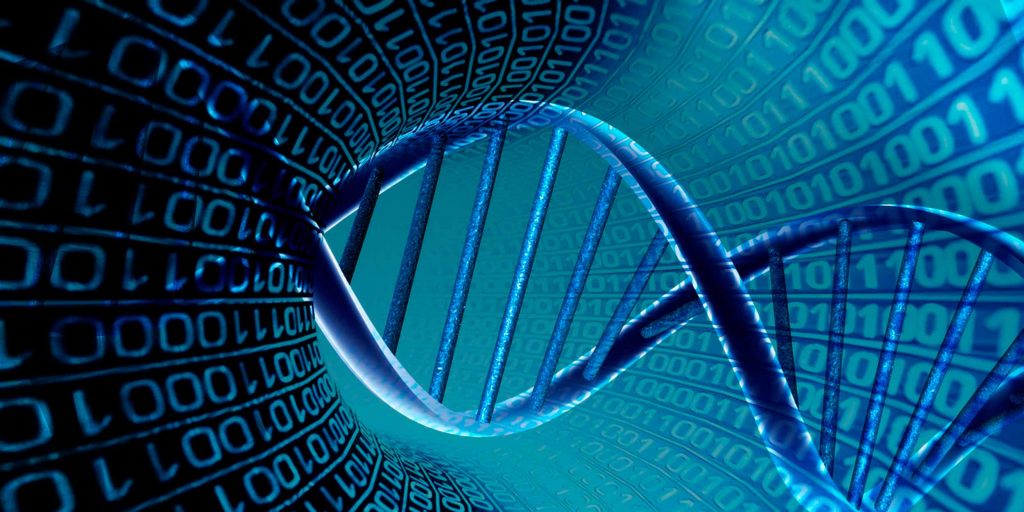
Every living being responds to a chain of informations, living data that is codified until finally constitute an organism. Thanks to transcendental investigations, we have discovered that our macromolecules (such as proteins and deoxyribonucleic acid [DNA]) explain our biological constitution, as well as reveal possible alterations and diseases attached to our genetic sequence. Before the spectrum of computer science knocked on biology’s door, the intention of accumulating this extensive volume of genetic information represented an arduous task within the biological studies field. The compilation of an enormous database —similar to a big traditional file cabinet— was complicated and tiring. Luckily, the computer algorithms would come to save the day. In this sense, the recent appearance of bioinformatics stands as a useful alliance between biological sciences and technologies of information. Therefore, it is understood as a multidisciplinary science that analyses and pretends to gather genetic references in benefit of applications associated with the fields of medicine and genomics studies. The birth of bioinformatics It all started in 1953, when the American James D. Watson and the British Francis Crick clarified the DNA structure: a double-helix model. A few years later, in 1956, American physical chemist Margaret Dayhoff published her research book Atlas of Protein Sequences and Structure, text that helped to combine the useful tools of first computers with the investigations related to the genomic studies. From then on, in a very rudimentary sense, the other biologists approached their findings to those primitive computers that allowed to file —in the strict sense of the word— the information of the different proteins combination and the DNA structure. In other words, starting from the early dawn of computer science and researches related to molecular biology, both colluded at first for statistic work. The convenient alliance between computer science and genetics Since the celebrated discovery of Watson and Crick, we understand that the proper study of DNA decodes the sign of the biological life and distinguishes the complex properties of the organic methods: in sum, the gen explains the organism. Therefore, in the genome (set of genes) is located part of the fundamental answer of the living being constitution. In order to go deeper into this field of study, a fundamental coalition with the computational sciences has been necessary. While since the XIX century genetics is understood as a science that studies and analyzes the hereditary components between the organisms that are transmitted generation to generation, by its part, bioinformatics come to make easier, through technological equipment, the investigative methods that generate important findings in this scientific fields initiated by Gregor Mendel. The study of the genome pretends to reveal certain questions about the functioning and the evolutionary principle of the biologic life. This way, one should ask, why do biologists attempt to build a total answer to the origin of existence from a microstructural scale to a macrostructural scale? The answer is in the peculiarities of a gen, which allow to form a understanding of the heritage among organisms as a whole. Consequently, we reason that the tools of computer science are prosperously valued for the these disciplines researches. So much so that other technological applications of the genomic studies aim to recognize in the genetic sequencing an access to numerous abnormal variations in the genes that would track the origin of different human diseases. This way, the conclusions of genomics would help to redefine the current existing methods in medical treatments. Applications of bioinformatics As we have mentioned before, the organisms’ genetic diversity conceives numerous guidelines that advocate for a research area and, consequently, fields of application for all that knowledge that is slowly being acquired. From the field of bioinformatics, various achievements are exported in fields like medicine, evolutionary studies, biodiversity preservation, among other significant applications. Thus, medicine keeps its relationship with genomic studies through the pharmaceutical industry. The important role the creation of vanguard medicine plays for the improvement in the quality of life redefines the new paths of physiology in our XXI century. This findings have as a consequence the impulse of preventive and precise treatments for oncologic diseases (different types of cancer, leukemia, benign tumors) and diseases associated to genetic mutations. In addition, bioinformatics allows storing a medical hospital control: through information of hereditary patterns and possible genetic abnormalities, preventive measures are taken in benefit of the patient’s health. On the other hand, in researches related to the evolutionary biology, the technological tools allow to track multiples transformations that the genetic sequences have suffered in different animal species and, fundamentally, in the human being. This is, biological data of an organism are associated to a genetic heritage with similar patterns: in the reproductive act resides a genetic succession that is preserved through generations. One of the fundamental problems of our current situation, such as environmental pollution, is also found in the studies of bioinformatics. It is through the retrieval of information that different genetic sequences of DNA that some researchers promote a general study of populations and animal species, in order to reveal possible evolutionary developments in these organisms and how they react to the current environmental deterioration. In conclusion, bioinformatics reveal and open doors to new lines of research in benefit of the biological knowledge of the organisms around us. Before this new responsibility, it is necessary to pay attention to the sanitary and environmental problems that a society in constant learning state drags. In a few words —and even if it could seem a little contradictory—: keeping our heritage with the help of innovation. Written by Andrés Márquez (Communication and Diffusion, PIT-UAS), translated by Belem Ruiz (Edition and Communication, PIT-UAS).
Staff of the Japanese Company Hioki gives training at the PIT-UAS to analyze electric power quality
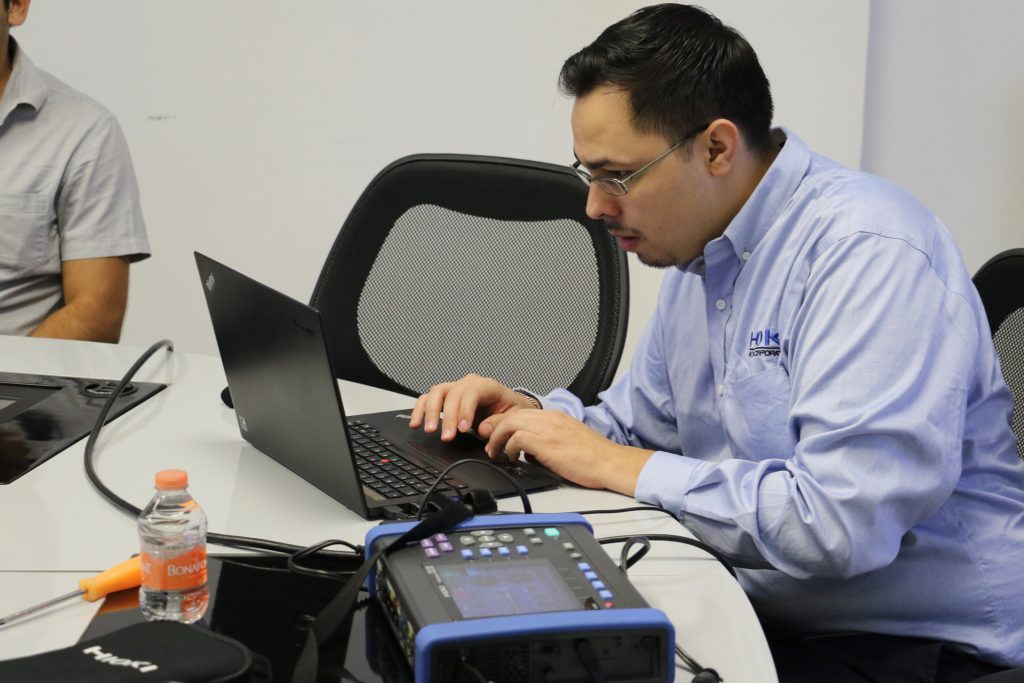
The engineer Román Leal, regional representative of the Japanese company Hioki, visited the facilities of the Technological Innovation Park (PIT, Parque de Innovación Tecnológica) of the Autonomous University of Sinaloa (UAS, Universidad Autónoma de Sinaloa) to give training about the use of the PW3198 power quality analyzer, 22 people met on the Videoconferences Room; PIT-UAS’ collaborators participation stood out, as well as students and teachers of the Technological University of Culiacán and employees of the resident company HunabSys. The PW3198 is used to know power quality problems in the main network currents, either once it leaves the substation to the company or when it is sent to its application. In an interview, the representative of Hioki specified some functions of the device: «Monitoring the good or bad energy quality the facilities have, correcting the low power factors, the bases imbalances… This will be used to save in power costs, to save in predictive maintenance, to avoid making infractions by the electric supplies in CFE with low power factors. Besides, you can do analysis in solar panels, in machines for power and consumes and to see the alterations that the same devices that they have here generate in the energy». The training consisted in explaining the functions that the device can perform and the performance it can give, also it was explained the installation of the PW3198 and the results it generates in the work field. Definitely, the performance of the excellent team with which the PIT-UAS counts in its Smart Eco-Park would be benefited with this device, which would be of great help to guarantee a better use of the energy not only in the facilities of the PIT-UAS only but also at the Rosalina House (UAS) in general. Likewise, it is important to note that the PIT-UAS will maintain contact with the Company Hioki so that, in the future, other devices can be available for the benefit of the Park’s operation. Written by Alfredo Careaga (Communication and Diffusion, PIT-UAS), translated by Belem Ruiz (Edition and Communication, PIT-UAS).
Highly specialized workshops: spaces for innovation and creativity
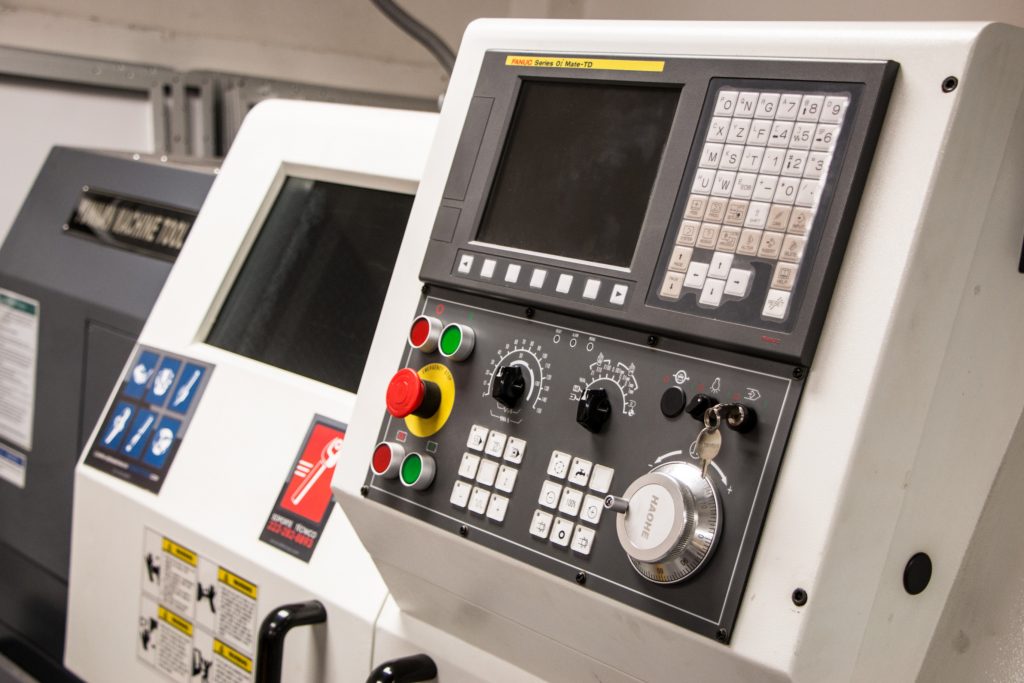
From its conception, highly specialized workshops, also known as fab labs (fabrication laboratory) represent a great achievement on the impulse to technological innovation. It is unquestionable that the work that the fab labs pretend to promote on the scientific field allows increasing the level of competitions in different projects that combine good performance and creativity. In this sense, the first thing would be to ask ourselves: what is a highly specialized workshop or fab lab? At first, it can be understood as a competent space for the elaboration of innovative prototypes that establish a future interest, either commercial or personal. For this, a highly specialized workshop needs to be equipped with different machines that help in the conception and consequent production of the models to be developed. Fundamental equipment in a highly specialized workshop Among the different units and machines that constitute a highly specialized workshop, we mainly find: 3D printer: is a device capable of creating pieces or models in third dimension (3D) from computer-made designs. Precision milling machine: a machine in charge of make chiseling over metallic materials. Laser cutter machine: it is used to make a variety of incisions to different materials of medium density. Vinyl plotter: it is a device that makes cuts and designs in materials mainly made on vinyl, a type of plastic of wide industrial use. Thus, in a fab lab different programming software are required in computers that receive human instructions and efficiently coordinate the use of machinery. First glimpses of highly specialized workshops The essential concept of the fab labs emerges within the Massachusetts Institute of Technology (MIT) in 2001, under the patronage of Neil Gershenfeld, American scientist, permanent professor and current director of the Center for Bits and Atoms (CBA) of the same institution. «We are just on the edge of this digital revolution in manufacturing, where the results of computing program the physical world», he commented. In other words, the cardinal purpose of the fab labs resides in applying the digital technology in the production of physical objects: transform the bits in atoms. This establishes favorably a new way in the future of the creation of the creation of personified products, attending, in the first instance, the creativity and the ludic exercise of science. This way, the valuable promotion to innovation that is inherent to the use of this <<small scale laboratories>> is understood like a propitious reversal of papers: the laboratory becomes more a technical workshop for students and first time executers that an enclosure sustained in erudition and complexity of the experts; even, the fab labs pretend to function from a micro entrepreneur and ecologically sustainable facet, in order to leave aside the damages of environmental pollution and the economic dangers of overproduction typical of big industries. Thus, Neil Gershenfeld has argued in favor of the concept of highly specialized workshops: «the current market is based on inventing a product and produced it in a factory. Our philosophy is other. It is about producing under demand in local laboratories, regardless of where the product was designed». Network of laboratories: socialization for innovation Cleverly, the fab labs that started in the MIT have maintained their relevance in an international level through an accessible network of collaboration between universities and private companies. Thus, they maintain their presence in regions of the five continents: in the United States there are 20 highly specialized laboratories functioning, we have 30 in Latin America, there are 33 in Europe, 9 in Asia and 8 in Africa. The lucky accreditation allows the institution to extend relations with foreign researchers, develop projects in conjunction with other institutions and to keep in touch with different areas of specialization on the field of technological investigation. It should also be mentioned that in 2015, through an announcement to promote the development of innovative prototypes through high specialized workshops, fab labs or maker spaces, the National Institute of the Entrepreneur (INADEM) of Mexico started the registration of said organisms, as a part of the Innovation Network, to the protection of the Entrepreneur Support Network. Every year, the INADEM organizes the National Week of the Entrepreneur, a massive event to promote professional networking that brings together entrepreneurs and businessmen of micro, small and medium-sized companies, it offers conferences, workshops, product demonstrations and open forums to different industries. Fab labs utilities The staggered opening of highly specialized workshops responds to a broad work field. Thus, this new productive model may be used by scientists, architects, engineers, designers, artists, among other professionals. We have recently seen how the new models of innovation seek to group different fields of specialization in order to develop better-elaborated projects: the multidisciplinary facet of fab labs solves many inconsistences in the old ways to manufacture objects and doing science. The personalized form of production of the highly specialized workshops promotes a space where conceived ideas are successfully turned into objects. In the past few years, this new productive idea has reformulated economic strategies within the technological market: the gates to prosperity have been open for small businessmen and manufacturers. Thus, among the different products that can be worked inside a fab lab are electronic devices, textile goods and plastic prototypes. In conclusion, the favorable working ability and width of components put into play within a highly specialized laboratory pursue an essential objective: to start innovating from the small space until reaching a universal and modern horizon. Written by Andrés Márquez (Communication and Diffusion, PIT-UAS), translated by Belem Ruiz (Edition and Communication, PIT-UAS).
Computer vision, a technology that looks into the future
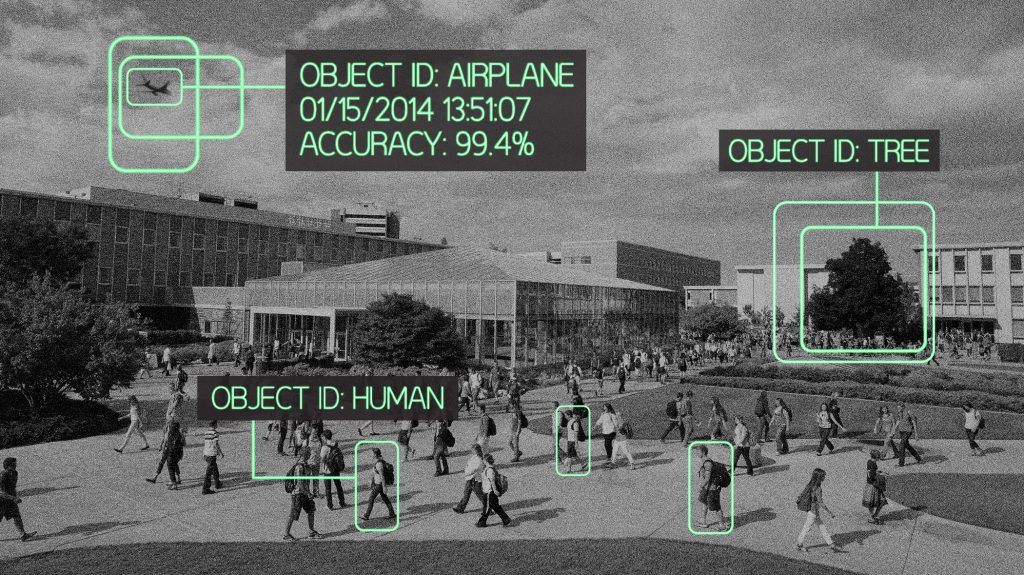
In everyday life we use our sense of sight, commonly without stopping to reason how it works and which are the components and processes into play between our brain and our eyes. It is an accepted and understood notion that sight is applied from a cognitive process that receives and interprets signs from the outside. Many centuries ago, Aristotle maintained in his Metaphysics that «the sight, better than other senses, makes us aware of the objects, and discovers among them a great number of differences». Thus, although as living beings we are characterize by the fact that we can distinguish the constitution of things that belong to a real and delimited space, we also obey a superior intuition that —along with memory— defines us as rational beings: in other words, humanize us. On the other hand, in recent years, in the scientific field we find multiple innovations that pretend to give a certain reasoned vision to the different technological prototypes that begin to emerge on the competitive system of today’s market. Some machines conceived from artificial intelligence offer, among its many other qualities, the capacity to have the sight set on the real and palpable world. This way, the device exercises a kind of freedom to act and decide conveniently, according to the utility and service that society has conferred on it. In summary, this is the purpose of computer vision. A first look to computer vision This discipline bursts in the sixties with a preconceived and somewhat misleading idea on the part of the firsts scientist specialized on artificial intelligence: that offering images to a computer to interpret them was relatively easy. Actually it turned out to be quite the opposite. At that time, there were plenty of issues to take account of in order to get significant advances on computer vision. In this sense, computer vision continues to be understood as a scientific discipline that studies and promotes the training of different devices and computers for the interpretation of images of the real world, in a way that both the processes as the results are as similar as possible to the human capacities. Vision and memory: to look from the mind For such case, it is necessary to understand the relation that the cognitive process keeps with the visual capacity in an informative context. There are interesting theoretical postulates that address the problem of computational memory (angular branch of artificial vision) from different edges. Some defend the necessity of an application external to the device that perform the primary memory processes for its operation. Other academics think it is valid to investigate from an intrinsic notion, that is, to try to define a cognitive structure in the construction of the electronic model itself. Also, another developers make a contribution from a more basic and rudimentary exploration, applying the simulation of specific tasks of the memory in some computers. Consequently, the conjunction between memory and vision is transcendental in the field of computer science, so as to be able to track in advance certain storage of information that is in constant revision with the images found in real life. In a nutshell, the machine must follow a series of steps to achieve its purpose: it needs to learn in order to see. Levels of computer vision The study of artificial vision divides its components in three essential horizons, from the most elemental one to the most complex: Level 2D. Distinction of the basic features in a superimposed image: lines, strokes, edges, arcs, zeroes. Level 21/2 Identification, in the image, of specific nuances belonging to stereoscopy (discipline that studies the three-dimensional illusion of the objects), like lighting, reflectance and shading, in conjunction with the elemental features mentioned before. Level 3D. Representation of the objects in real space. This allows the consequent classification and comparison of the images with information previously collected on the device. Therefore, different theoretical sections of computer science defend that this three levels must form in conjunction an adequate guideline on the experimentation and development of computer vision. Applications in sight Computer vision has presented an extraordinary boom in different fields of the industry and technology. To name a few cases, is transcendental its use in the optical metrology: from an artificial vision system, an object is designed with the proper physical measurements and magnitudes; it also has a significant application for data reading: here it is conceived from the recognition and verification of characters and codes that allow a correct compilation of information (files, documents, products) for its subsequent storage and categorization (a daily example of this application is the machines that detect the barcode of the products available at a supermarket); other cases are the control and surveillance systems, that allow to detect unconformities on a space previously outlined by the user; even, on the medical field, X rays and other complex systems for the detection of diseases from tomography, radiographs, magnetic resonances, among different utilities to consider. Among other favours that the computer vision have offered to the new tradition of innovation and competitiveness, we find its current focus on robotics. Thus, the research carried out for the development of domestic robots are notable: it is pretended to innovate from the creation of a human-prototype model that execute the cleaning chores and take care of children and elderly people. One of the enthusiast researches in this area is the Mexican scientist José Martínez Carranza, who holds a PhD in Computer Science from the University of Bristol, once said: «Not only in Mexico, but in the whole world, exists the necessity to have robots that can help us in our homes, robots that can clean. There are companies that are already selling robots that can clean floors, for example. Then, it is about having a robot that can take care of the kids, that can make them company, that can talk to you». Nonetheless, to materialize a product that clearly offers you a great variety of utilities essential to the human necessities may sound
Winners of the Techno Camp 2016’s Challenge 10 present their project at PIT-UAS’ facilities
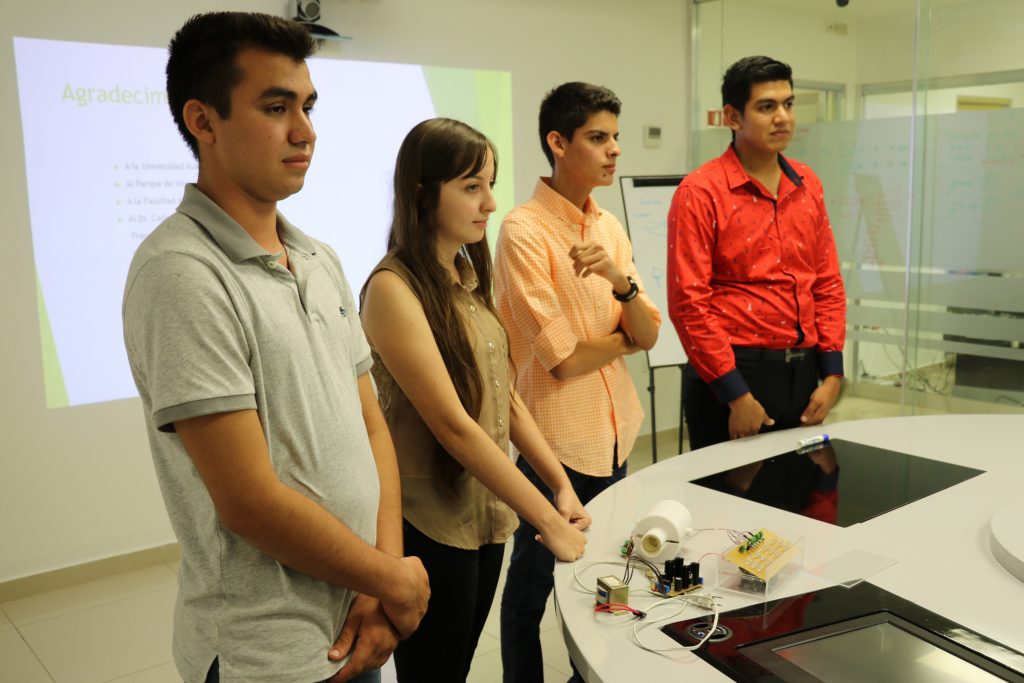
On a meeting held on November 11th at the Technological Innovation Park (PIT) of the Autonomous University of Sinaloa (UAS), the students Darel Lugo, Guillermo Rojas, Norma Rodríguez and Omar Salazar, winners of the Challenge 10 of the Science, Technology and Innovation Camp (TechnoCamp 2016), presented the conclusions of their project Agrosen: Seed Flow Sensor for Traditional Seeders (jointly prepared with Francisco Espinoza). The students were chosen to work for six weeks at the PIT-UAS’ facilities, where they were provided with both the material and the advice necessary for the development of their prototype. The project consists on the creation of a device that facilitates the use of seeders operated in the agricultural sector; the purpose of this sensor is to contribute to ensure a responsible use of the seeds, as well as to detect abnormalities in certain extensions of the field. The Agrosen prototype, installed correctly on a traditional seeder, works as a sensor that controls the flow of seeds from the use of an infrared light and two receptors. «Although we’re all interested in different areas, we all share the taste for science and research. That got us even closer», Norma Rodríguez said, one of the participants in Agrosen’s design. In such a way, the link between the students to materialize this project generated a cross of disciplines that allowed to observe from a broader perspective the utilities of the device. The young collaborators, helped by their wit and their skills demonstrated on the framework of the TechnoCamp 2016, presented a first prototype on the PIT-UAS’ Videoconferences Room. They also thanked the support and advice received by the specialists affiliated to the Park’s work. «That was a fundamental part of our project, to be able to feel in a nice work environment», Omar Salazar pointed out. Also, one of the angular points of Agrosen’s benefits lies on the low prices that it pretends to generate through the maximum use of the resources, as it looks to avoid an inappropriate consumption of the seeds used on the agricultural fields. «What we want to do is solve this to have a better distribution of the agricultural supplies», said Darel Lugo. On the other hand, Guillermo Rojas, before the pleasant experience he lived at the PIT-UAS, he shared his enthusiasm by materializing new ideas into technology and innovation. «It would be really good to me to continue developing on the scientific environment, with people that already have an established job, do my own work that can also allow me to act like a true researcher», he pointed out. The team of students was reviewed by a jury during the formal presentation of the prototype. «It exceeds the expectations, from my point of view, because it is completely functional and, in fact, something surprising to me was that the members of the team are really clear about what their next steps will be», argued MCS Rogelio Prieto Alvarado, operational coordinator of the PIT-UAS. At the same time, the PhD Inés Vega López, head of the PIT-UAS’ Bioinformatics Laboratory, highlighted the low cost that materializing the idea represents. «They start from a problem that exists and present a solution. Also, the importance of this is that it is a cheap solution», assured. The PhD Carlos Duarte, of the Faculty of the Physical-Mathematical Sciences, commented on the prototype: «It is something with a good degree of complexity and the development does not need much work to finish into an applicable product. Since you already have that piece of hardware, you can programme plenty more things». MBA José Ramón López Arellano, director of the facilities, personally congratulated the young entrepreneurs: «I would like to present this project in conferences and for some federal call, because it is something different and something that we wanted to experience this year, not with the businessmen but with you [the technocampers]», he said, leaving the PIT-UAS’ doors open for these five young talents. Written by Diffusion and Communication, PIT-UAS, translated by Belem Ruiz (Edition and Communication, PIT-UAS).
Big data: from the personal microworld to the massive study of users
Every day, whether continuously or sporadically, you connect to wireless networks through your smartphone, your tablet, your computer or other objects that may have access to the internet. Each time you are connected you generate a huge amount of data, whether you are posting a photo or a status on Facebook, searching something online, making a purchase with your credit card, watching a movie on a streaming page with your username… EVERYTHING is part of that constant generation of information. But, have you ever wondered what really happens to all that data? Do they have any use? The data in numbers As digitalisation and networking systems are becoming more sophisticated each year, database technologies that were being used a few years ago have become obsolete, being unable to efficiently analyse and structure the large volume of information that users generate through different platforms and devices connected to the internet. Only this year, it has been recorded that people around the world make four thousand Google searches per second and that they upload three hundred hours of content to YouTube on video format every hour; the world generates around ten thousand transactions of credit card payments and Twitter sends about three hundred and forty million tweets everyday (the equivalent to four thousand tweets per second). In short, in today’s world around 2.5 quintillions bytes of data are generated every day. It is important to highlight that, according to a study conducted by IBM, 90% of this information has been generated only as of 2011. This avalanche of data or tsunami data (as it is called sometimes) comes from different sources, such as: internet, latest generation cell phones, scientific studies, business and administration, among others. All this is known as big data and it consists of all the information, whether structured, unstructured or semi structured, that cannot be processed or analysed using traditional processes or tools (market studies, surveys, observation and analysis, all of this in charge of humans). Big data: an open window to the study of users Big data, then, consists on the set of processes, technologies and business models that are based on data and in capturing the value that these contain. The data is characterized by three v’s: volume (now we’re talking about generated petabytes instead of megabytes or gigabytes), variety (the information can be structured, unstructured or semi structured, audio, video, XML, etcetera) and velocity (the amount of time that it takes to analyse the collected data). Sometimes we also talk about a fourth v: veracity. Since the end of the first decade of the 21st century, technologies that were seeking to analyse and apply in real time all of this recollection about the user’s behaviour were applied, so that companies or different areas can carry out predictive analysis to help improve their processes. In case of companies, it is intended to apply big data in such way that they can predict, through their studies on consumer and market behaviour, how to retain their costumers and encourage them to buy their products with greater viability. According to a study conducted by the Aberdeen group, the companies that use big data for their market analysis reported an annual increase of 98% on the retention of their clients, contrasting with those reported by the companies that do not use this source of information, which increase is only of 20%. The weight of this huge amount of information has for the development of the companies and the conservation and increase of the life cycle and the satisfactions of the clients is such that the big data has been equated with a coin of the future or the next gold mine, even when there are sceptics about it. What we cannot deny is that the prediction through the analysis of the big data has come to revolutionize the customer’s experience with the company. Everyday life decoded Imagine that you like to read and buy books. Generally, people still tend to go to the bookstore, walk around the section of their interest and see what catches their eye. But now we have online shopping, you can use a virtual shopping platform like Amazon (which, in fact, uses big data) to look for your favourite books. Now, you start to look for a book you are interested in and at the same time the page starts to suggest some titles, based on the navigation you’re carrying out; it also shows the discounts applied to your preferences or offers you promotions related to your shopping habits. If you pay with your credit card, your bank records the information and can notify you when there is a promotion or a bonus available with that company. This is one of the ways big data can help to improve the costumer experience and learn from their habits, thanks to research that is not so expensive and does not compromise the effectiveness of their results. Big data also allow you to study the behaviour of the users by ethnographic and demographic areas, thus being a step beyond statistics and allowing not only to apply this technology on business, but in areas of prediction such as sports, medicine, crime prevention and trend of tourism in certain areas, even on political elections. In recent years the NFL applies prediction analysis through big data to programme their game scheduling for the season, so that the clashes will be categorized within the levels of each team and in a way that result more entertaining for the public. Before, the scheduling of the NFL took so long that it was only possible to make one schedule by hand each year; now, thanks to the application of a software and hardware created by IBM Analytics, they can create several calendars of seasons in a matter of hours. The application of big data and technologies capable of analyse their information on real time are another further evidence of the great advances that computer sciences have achieved on the last decades. As we keep moving
The PIT-UAS participates with presentation on the FCFM’s XXXIV Anniversary
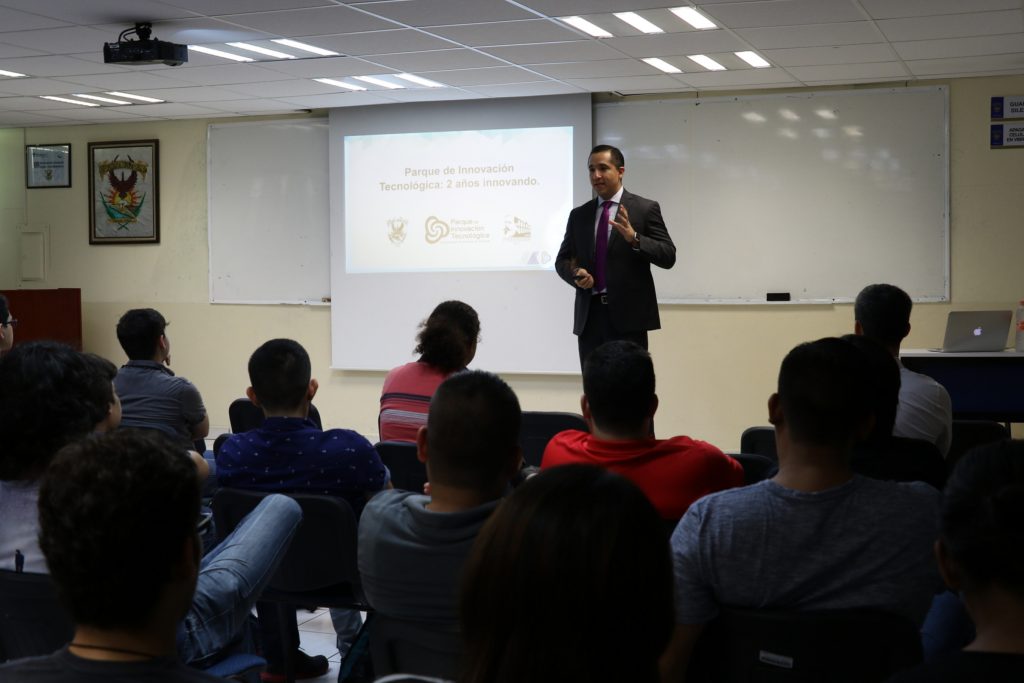
As part of the celebration of the XXXIV Anniversary of the Faculty of Physical-Mathematical Sciences (FCFM, Facultad de Ciencias Físico-Matemáticas) of the Autonomous University of Sinaloa (UAS, Universidad Autónoma de Sinaloa), PhD René Castro Montoya, the headmaster of the academic unit, commented on the important achievement that represents the organization of this event, in which both the student body and the academic staff of the faculty participate. He also explained the benefits that will be reflected in future projects and research routes that the student body aspires to, for which has been created colloquium cycles, talks and courses during the days of the celebrations. In this sense, the participation of MBA José Ramón López Arellano, general director of the Technological Innovation Park (PIT, Parque de Innovación Tecnológica) of the University, was included in the conferences programme for Tuesday, November 8th. López Arellano discussed with the university students about the methods and projects developed in the facilities of the Park, which are enrolled in precision agriculture, internet of things, data mining, among others. He extended an invitation to the students of the FCFM, he offered them assistance for the development of research projects related to their discipline of study. PIT-UAS’ general director talked about the current necessity to generate innovative planes that contribute to guarantee a better quality of life in social and economic terms. Also, in an interview with Castro Montoya, he talked about the intentions proposed on the anniversary celebrations. «What we are looking for is that our researchers interact and work in conjunction with researchers of others institutions of high academic renown on a national and international level», explained the doctor in Statistics by the College of Postgraduates of the Autonomous University of Chapingo. The headmaster of the FCFM celebrated the important role that the PIT-UAS represents in the business and academic development of the region: «We have students and teachers that are participating in projects inside the Park, together with the industry and the local companies». He also recognized the inclusion of university students and teachers in the making of the projects conducted inside the PIT-UAS: «The Park has been for us an opportunity for our students to develop and that our teachers —who are very well prepared— to contribute to the University. The celebrations for the XXXIV Anniversary of the FCFM are held from November 7th to 11th of the current year. Among the institutions participating are the Faculty of Sciences of the National Autonomous University of Mexico (UNAM, Universidad Nacional Autónoma de México), the University of Guanajuato, the Technological Institute of Eldorado, the Autonomous University of Querétaro, the UNAM’s Institute of Nuclear Sciences, the PIT-UAS, among others. The FCFM began activities on October 7th of 1982 in Culiacán Rosales (Sinaloa), at the time it was called School of Physical-Mathematical Sciences; on April 11th, of 2011, it received the title of faculty. Andrés Márquez (Communication and Diffusion, PIT-UAS), translated by Belem Ruiz (Edition and Communication, PIT-UAS).
A project in which a PIT-UAS’ collaborator participates obtains national second place at Siemens Logo! contest
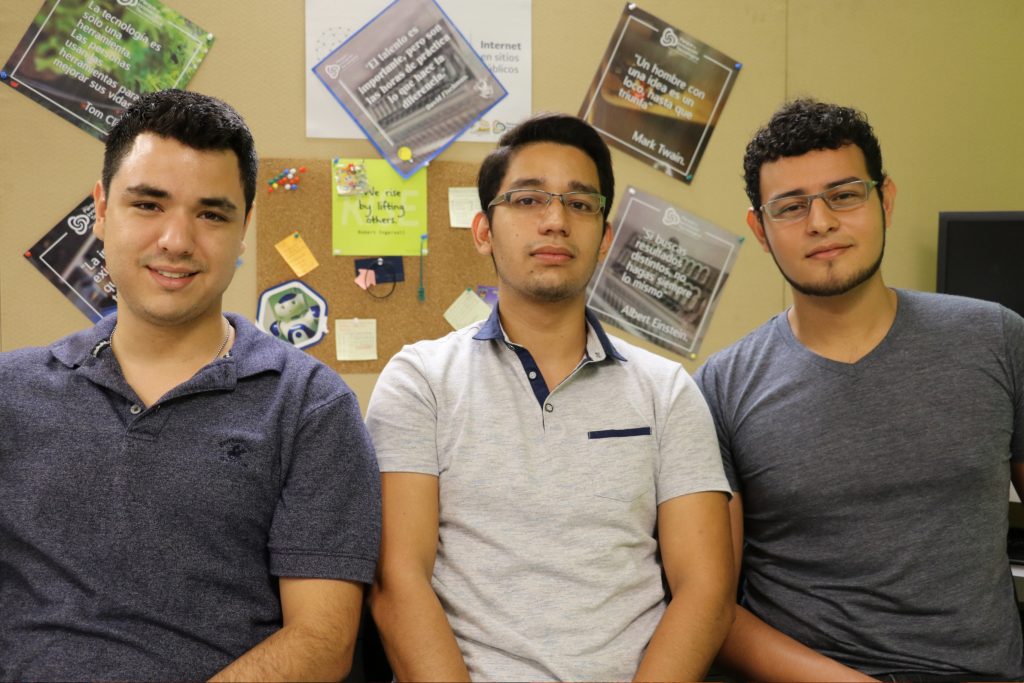
After having obtained first place in the schools phase and later also in the regional final, the innovative team integrated by a collaborator of the Technological Innovation Park (PIT, Parque de Innovación Tecnológica) of the Autonomous University of Sinaloa (UAS, Universidad Autónoma de Sinaloa) and two engineering students of Industrial Processes (at the Faculty of Engineering belonging to the UAS) had the opportunity to represent the Casa Rosalina (UAS) in the final phase of Siemens Logo! contest. Moved by the enthusiasm that motivates them to innovate, the young students Javier Eduardo Abitia Camacho (PIT-UAS’ collaborator), Abel Alberto Cervantes and Jesús Manuel Rodríguez Valdez obtained the national second place in the contest that is annually organized by the German company Siemens and revolves around programmable logic controllers (PLC), specifically their new model PLC Logo! V8. It should be noted that PLC are small computers used in engineering to automate different electromechanical processes, such as production and assembly lines in big industries, or are used in processes such as home automation (domotics), which consists in the use of techniques designed to create not only automated accommodation, but also buildings and urban complexes and includes aspects like security, energy use, communications and, above all, people well-being. In the national final it was required that the projects were constituted by an electrical, pneumatic or hydraulic control system which brain or central control organ were the programmable logic module Logo! and tended to care and save energy, it could be focused on uses of home automation. Meanwhile, the future industrial engineers demonstrated that domotics, in addition to being applicable for homes, it can be develop in other types of complexes, such as zoos; the students included apps to take care of details like security in case of a fire, access control to animal cages, as well as the order in parking lots. The national final was held on October 27 of 2016 in Mexico City, in the architectonical complex of the Siemens Company, which stands as the first building in Mexico that has a double certification in Leader of Energy and Environmental Design (LEED) in the category of Commercial Building Interiors, in conjunction with the Core and Enclosure certification. To sum up, the project was selected in its first stage, among over fifty projects registered throughout the country, of which only 38 managed to be selected to compete in their respective regions, to later reach the final. Students form institutions such as La Salle University, Technological Institute of Sonora, Autonomous University of Baja California as well as technological universities of different zones of the country, participated with their innovative projects which aimed to present solutions to the daily life on automated homes. Moroni Arellano (Communication and Diffusion, PIT-UAS), translated by Belem Ruiz (Edition and Communication, PIT-UAS).
Wearable technologies, dressing the future of innovation
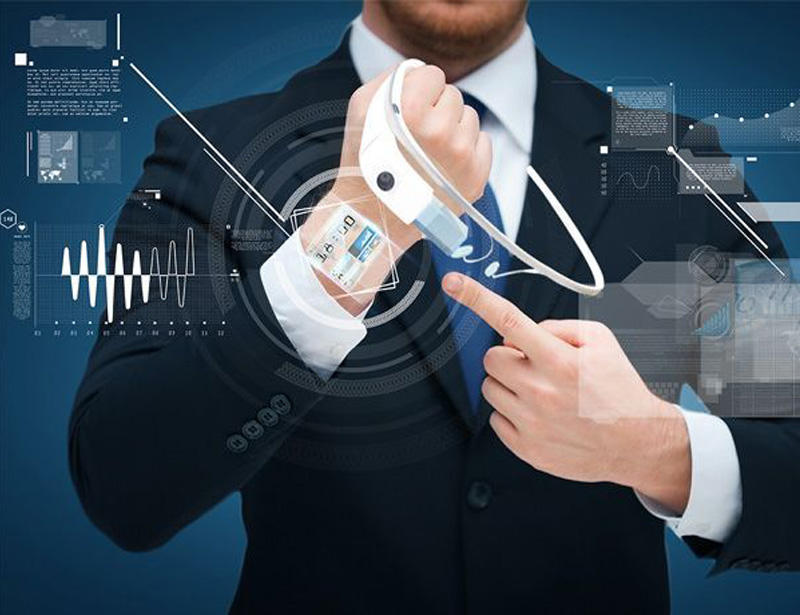
If you have ever seen a James Bond film or any other espionage movie, certainly the technology used in accessories to wear have become familiar to you; such devices might seem ordinary but they are not: watches that serve for radio communications or gloves to control other devices through sensors. It is even very likely that you have wished something like that to exist so you could make easier quotidian tasks in your daily life. Okay, the good news is that this kind of technology has been a reality since some decades ago, and during the last years its development has increased with a remarkable speed, we are talking bout the wearable technology. From objects like watches or patches for health or athletic performance monitoring, to garments with solar panels that let you recharge your cell phone without needing a plug, wearable technology has arrived and is in constant evolution, with the main objective of improving the quality of people’s life. But you might be asking yourself what this technology we are talking about consists of. Making the basis: wearables’ first manifestations Contrary to what we might think, wearable technology has its beginnings in the XVII century, when an abacus ring was created in China during the first years of Qing’s dynasty (1644-1911). This small abacus measured 1.2 cm long and 0.7 cm wide, contained 1 mm beads, which allowed carrying it comfortably in the bearer’s finger. It helped traders to realise quick mathematical operations aided by a pin or needle used to move the tiny beads. An example closer to our age and the concept we have of modern technology may be is the device created by Claude Shannon and Edward Thorp in 1961: a shoe that had a computer of the size of a pack of cigarettes, which, hidden in the footwear, helped to increase good decisions 44% during roulettes games at casinos. This invention is considered as the first wearable computer of history. After such invention, wearable technology has flourished in many branches of science, it appears in devices as diverse as watched, glasses, clothes and a huuuge etcetera, with uses in lots of areas, like health, leisure and fashion. Computing apparels: the future of innovation The essential objective of wearable technology is creating a constant connection between the user and the device, either conscious or unconsciously, by being worn on the body. Even when there are invasive versions of this technology, like the beneath-skin inserted sensors, non-invasive versions that can be worn and taken away at will are the users’ preferred and which boom is at the height of its development. This sort of devices can carry out the same tasks as a more common mobile device, like smart phones; but, at the same time, it is capable of realising tasks and recollecting data that the others cannot. Wearable technology must always function in the bottom, becoming like this a true extension of the user’s mind and body. Nowadays there are many novel manifestations within wearable technologies sphere, one of them is Google’s contact lens, jointly developed with the enterprise Verily and Alcon division of Novartis. This smart contact lens would allow to monitor continuously glucose states in diabetic patients, its sensors measure blood glucose levels through ocular fluid and, with a wireless aerial smaller than a human hair, send the recollected information each second to a mobile device, which stores all the data and sends an alert message to the patient when his levels decrease or increase from what is normal, also notifies when he should go to the doctor. It is expected to begin with the first tests on patients this year. For her part, Dutch fashion designer Pauline Van Dongen is one of the current pioneers in the creation and development of technological garments. Nowadays one of the projects she is working is the design of a windcheater with solar panels that allow to plug in your cell phone and recharge it in one or two hours (depending upon the climatic conditions the user finds himself). In a turn within clothes industry, Athos enterprise has created a sport outfit able to recollect information about the exercise realised, muscles groups used and cardiac frequency of the user, through sensors similar to those utilised for electromyographies (a medical exam that, in a non-invasive manner, measures the electrical activity between muscles and nerves). Muscles activity is gathered and sent immediately to the mobile device via wireless personal area network (with help of Bluetooth), in order to analyse and correct possible errors of posture and breathing occurred during exercise. Some doubts and problems Despite wearable technology sounds wonderful and seems to arrive just like that, without further ado, to facilitate people’s lives, there are some doubts and problems we must take into account. One concern that shines out not only in this one but in diverse implementation areas of computing when it comes to common life issues, is safety. Although there are reluctant people before the fact of finding ourselves connected and collecting personal information, or even the extinction of privacy, given the continuous information monitoring, which they fear that may take us to an Orwellian future, in the finest style of the dystopian novel 1984. Currently, technology itself also presents a problem with users, even though in the past years has raised the amount of people who acquire this kind of products, thanks to the creation of devices like the Fitbit and the Apple Watch, a study carried out by Endeavour Partners shows that a third of users that have a wearable device give up using it during the first three months after the purchase. This tells us that we must find the way to help users to permanently integrate the use of devices into their daily life. The outlook of people’s lives and computers coexisting in symbiotic relationship seems closer and closer and it is very likely that wearables be the ones which make come true that utopic reality, especially because this kind of developments is catalogued within the industries of the future, technologies that are in
PIT-UAS collaborator will participate in the national phase of Logo! contest from the German enterprise Siemens
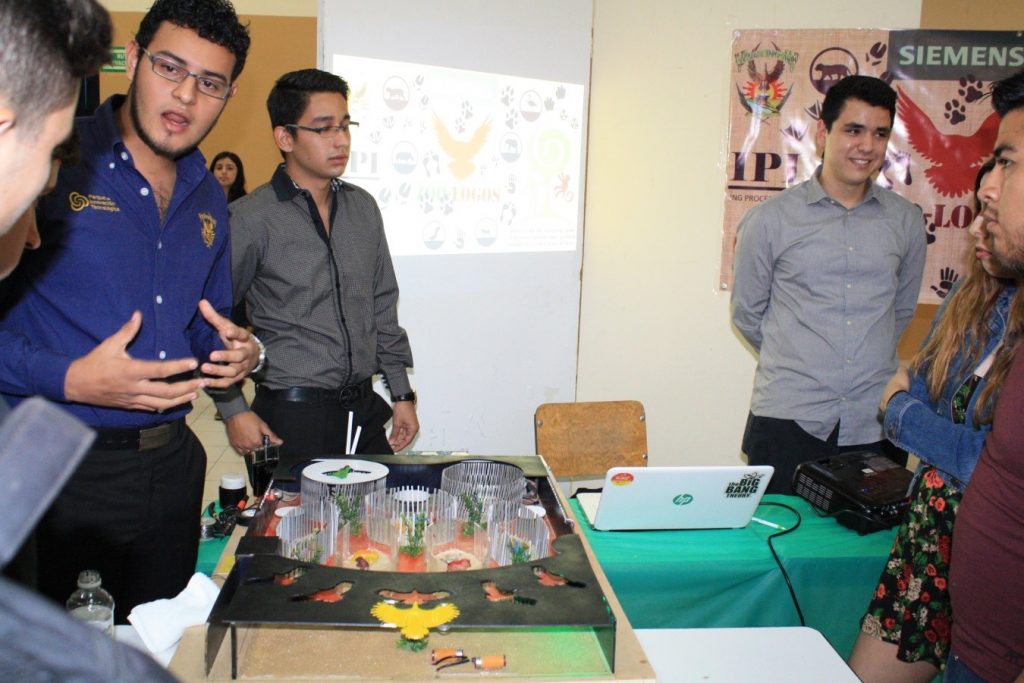
After winning first place in the home automation area in the Siemens’ regional contest Logo! of Creativity in Automation, a group of engineering in Industrial Processes students belonging to the Autonomous University of Sinaloa (Universidad Autónoma de Sinaloa, UAS) will participate in the national phase with the ZOO-Logo! Smart Zoo project, on October 27th within Siemens’ facilities at Mexico City. Javier Eduardo Abitia Camacho, collaborator at UAS’ Technological Innovation Park (Parque de Innovación Tecnológica, PIT), Abel Alberto Cervantes Aragón and Jesús Manuel Rodríguez Valdez are the youths who will expose the aforementioned smart zoo project, which uses a programmable logic controller (PLC) Logo! V8 and implements a control system that breaks with the trend of using such technology almost exclusively in smart houses; this control is divided in two points: maintenance and security. In the maintenance area, university students implemented an irrigation system controlled by a humidity sensor (represented by seven LED lights in the mock-up), a refrigeration system controlled by a temperature sensor (represented by a 12v fan) and a lighting system controlled by a photoresistor (represented by LED strip lights throughout the mock-up’s perimeter). With regard to security, there was a fire-fighting system prototype controlled by a smoke sensor, a system for parking lots controlled by optical sensors, a visitors counting system for entrances and exits (also controlled by two optical sensors) and an anti-intruders system controlled by a motion sensor; all these systems have as goal guaranteeing welfare to both visitors and zoo animals. The main reason for them to choose developing the ZOO-Logo! Smart Zoo project was demonstrating that home automation is not barely smart houses, but also can be applied to different areas. On that basis, they decided to design a zoo in order to attend a problem that has been developing during the last years: accidents that involve visitors and zoo animals due to the inefficient security and maintenance system. These three future engineers, current UAS’ students, expressed that their experience in this regional event showed them that with the acquired knowledge as university students they can compete at a technological level and be ahead of student from other universities that count on accredited careers and even more recognised than those belonging to UAS, which is relatively new in this knowledge field. Their pass to the national final was reached after a draw (at the Pacific zone) with students from the Technological University of Hermosillo, who participated with a smart house project. The representatives of these two universities will compete against students belonging to San Luis Potosí, Nayarit, Chihuahua, Querétaro and León. Once concluded the 20 minutes presentation that each participant team will have, when the mock-ups functioning will be displayed, explaining the rationale of their project and the real application, there will be a deliberation to choose the first place winner, which will receive PLC programming courses, a travel to a technology fair in Germany, a PLC laboratory for the university, among other awards. Writen by Alfredo Careaga (Communication and Diffusion, PIT-UAS), Translated by Belem Ruiz (Edition and Communication, PIT-UAS).