Every day, whether continuously or sporadically, you connect to wireless networks through your smartphone, your tablet, your computer or other objects that may have access to the internet. Each time you are connected you generate a huge amount of data, whether you are posting a photo or a status on Facebook, searching something online, making a purchase with your credit card, watching a movie on a streaming page with your username… EVERYTHING is part of that constant generation of information. But, have you ever wondered what really happens to all that data? Do they have any use?
The data in numbers
As digitalisation and networking systems are becoming more sophisticated each year, database technologies that were being used a few years ago have become obsolete, being unable to efficiently analyse and structure the large volume of information that users generate through different platforms and devices connected to the internet.
Only this year, it has been recorded that people around the world make four thousand Google searches per second and that they upload three hundred hours of content to YouTube on video format every hour; the world generates around ten thousand transactions of credit card payments and Twitter sends about three hundred and forty million tweets everyday (the equivalent to four thousand tweets per second). In short, in today’s world around 2.5 quintillions bytes of data are generated every day. It is important to highlight that, according to a study conducted by IBM, 90% of this information has been generated only as of 2011.
This avalanche of data or tsunami data (as it is called sometimes) comes from different sources, such as: internet, latest generation cell phones, scientific studies, business and administration, among others. All this is known as big data and it consists of all the information, whether structured, unstructured or semi structured, that cannot be processed or analysed using traditional processes or tools (market studies, surveys, observation and analysis, all of this in charge of humans).
Big data: an open window to the study of users
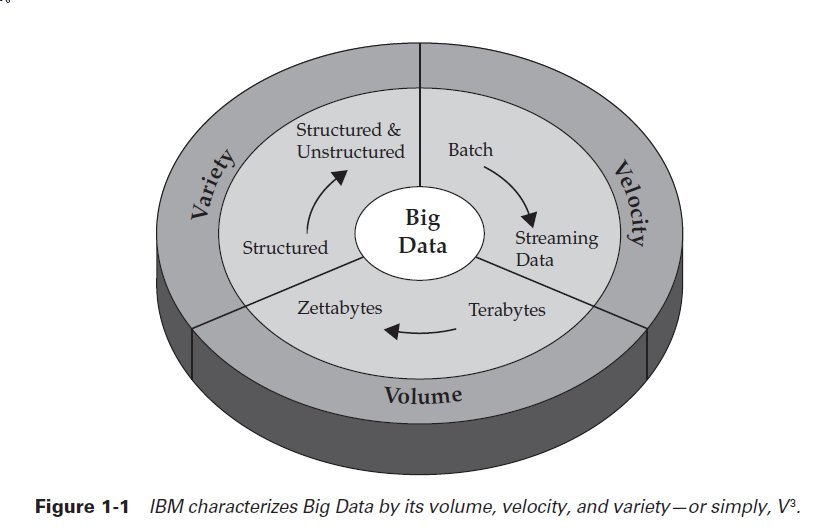
Big data, then, consists on the set of processes, technologies and business models that are based on data and in capturing the value that these contain. The data is characterized by three v’s: volume (now we’re talking about generated petabytes instead of megabytes or gigabytes), variety (the information can be structured, unstructured or semi structured, audio, video, XML, etcetera) and velocity (the amount of time that it takes to analyse the collected data). Sometimes we also talk about a fourth v: veracity.
Since the end of the first decade of the 21st century, technologies that were seeking to analyse and apply in real time all of this recollection about the user’s behaviour were applied, so that companies or different areas can carry out predictive analysis to help improve their processes. In case of companies, it is intended to apply big data in such way that they can predict, through their studies on consumer and market behaviour, how to retain their costumers and encourage them to buy their products with greater viability. According to a study conducted by the Aberdeen group, the companies that use big data for their market analysis reported an annual increase of 98% on the retention of their clients, contrasting with those reported by the companies that do not use this source of information, which increase is only of 20%.
The weight of this huge amount of information has for the development of the companies and the conservation and increase of the life cycle and the satisfactions of the clients is such that the big data has been equated with a coin of the future or the next gold mine, even when there are sceptics about it. What we cannot deny is that the prediction through the analysis of the big data has come to revolutionize the customer’s experience with the company.
Everyday life decoded
Imagine that you like to read and buy books. Generally, people still tend to go to the bookstore, walk around the section of their interest and see what catches their eye. But now we have online shopping, you can use a virtual shopping platform like Amazon (which, in fact, uses big data) to look for your favourite books. Now, you start to look for a book you are interested in and at the same time the page starts to suggest some titles, based on the navigation you’re carrying out; it also shows the discounts applied to your preferences or offers you promotions related to your shopping habits. If you pay with your credit card, your bank records the information and can notify you when there is a promotion or a bonus available with that company. This is one of the ways big data can help to improve the costumer experience and learn from their habits, thanks to research that is not so expensive and does not compromise the effectiveness of their results.
Big data also allow you to study the behaviour of the users by ethnographic and demographic areas, thus being a step beyond statistics and allowing not only to apply this technology on business, but in areas of prediction such as sports, medicine, crime prevention and trend of tourism in certain areas, even on political elections.
In recent years the NFL applies prediction analysis through big data to programme their game scheduling for the season, so that the clashes will be categorized within the levels of each team and in a way that result more entertaining for the public. Before, the scheduling of the NFL took so long that it was only possible to make one schedule by hand each year; now, thanks to the application of a software and hardware created by IBM Analytics, they can create several calendars of seasons in a matter of hours.
The application of big data and technologies capable of analyse their information on real time are another further evidence of the great advances that computer sciences have achieved on the last decades. As we keep moving towards the future, we quickly develop and innovate in the search for solutions that give us a better quality of life. Despite the detractors, who consider that it is a disastrous invasion to the privacy, the new tides if technological advances have already brought us the study of tsunami data; it will depend on us, as consumers, to make a good use of this advances.