Eolian energy resurgence: the art of turning air into electricity
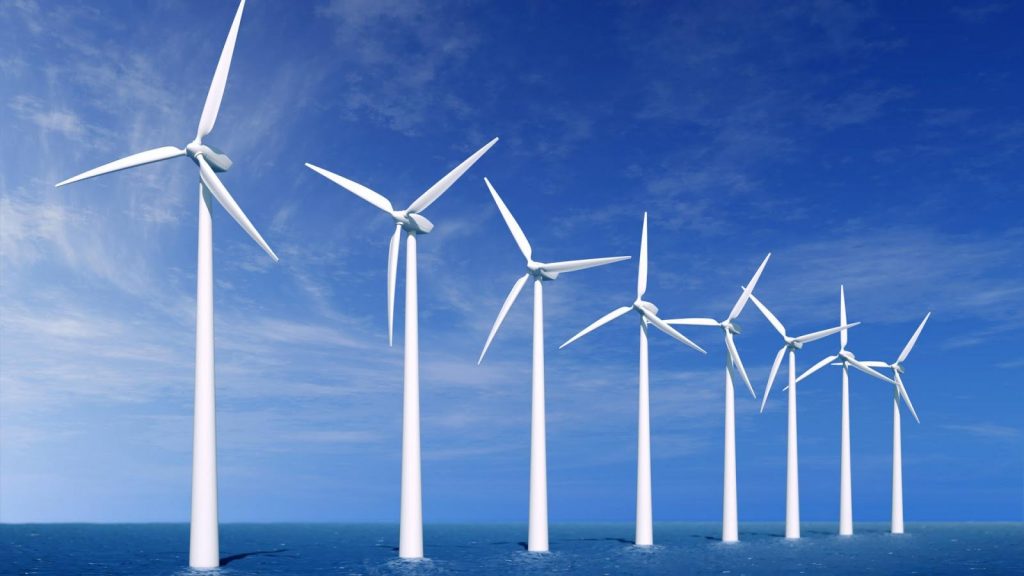
Since remote epochs, the human being has taken advantage of natural resources to stock up on and to satisfy his necessities. With the increases in global population and the gradual improvements in people’s standard of living, the issue of electric energy production and the main resources this is obtained from have been motive of debate, discussion and uncertainty. Currently the global market of energy production is mainly based on the leverage of fossil fuels like petroleum, coil and natural gas. Nevertheless, these resources, besides not being renewable and being steadily diminishing as the world population’s demand of energy increases, also are responsible of much of the carbon dioxide production and the environmental impact this has brought as result. Then, we face a dilemma: how can we produce energy without damaging our planet, and besides produce it in an ecological way? The answer is renewable energies or clean energies or green energies. And one of the renewable resources that has raised more interest by its development and research is the wind exploitation; eolian energy is one of the pillars of the energy future, and here we will talk to you a little more about it. Hoist your sails! A travel through the history of the energy of winds The first known register of the wind energy usage dates back to the year 3000 b. c. e., when the ancient Egyptian civilization used the force of the wind to travel across the Nile river waters with their sailing ships. The first eolian machines dates back to VI century c. e., at the Sistan region, between Iran and Afghanistan; it is the first windmills, known as «the Persian windmills», which had a vertical axis and were used to mill grains and pump water. Further later were introduced to Occident by crusaders and the first countries to receive them were Italy, Spain and Greece; these nations developed a different model (with an horizontal axis) that, contrary to its ancestor, offered a bigger power, since it worked continuously the current’s pressure on the blades, which used to be cross-shaped with four or eight arms. Some of these mills still exist in certain zones of the Mediterranean, like the Mykonos island, where they are used as museums or residences. Some centuries later, Hollanders improved the mills’ design and begun to use them extensively to drain Rhine river’s swampy regions. The Danish scientist Poul la Cour designed the first electrical aerogenerator for windmills, and in the XIX century was invented a turbine for windmills capable of using 60% of the wind power to produce up to 65 kilowatts. But afterwards, with the Industrial Revolution, came the boom of fossil resources usage and electricity generation through the wind force was relegated in the industry for many years. It was not until the 1970 decade when, due to the petroleum crisis and the growing concern for the environmental impact caused by fossil fuels, the eolian energy market was restarted. Thereafter, researches in this field have increased, allowing thus eolian technology to continuously develop and to keep doing it nowadays. Turning air into kilowatts: the power of the eolian energy in numbers A turbine has a little more than eight thousand parts and basically functions with air: the wind is air in movement and, therefore, possess kinetic energy; the power of this energy is received by modern wind systems’ aerogenerators, which transform eolian energy into electricity through an electrical generator that is connected to an eolian turbine. These days, the most commercial standard aerogenerators start to generate electricity with winds that reach 3.5 meters per second, which corresponding nominal powers (maximum) go from 10 to 3000 kilowatts. Worldwide, in 2015: was avoided the emission of over 637 million tons of carbon dioxide and 314,000 were spinning and producing electricity. Annually, in comparison with fossil sources, near to two thousand liters of water can be saved by each megawatt produced per hour. This green energy generates between 17 and 39 times the power it consumes, numbers that contrast with the 16 times of nuclear plants and the 11 times of coal plants. For 2015, eolian energy already covered 3.7% of the global electrical energy demand, little by little it is being outlined to become a competitive energy, which pretends to reach the level of fossil energies like coal and gas. In European countries like Spain and Denmark, 30% of electricity consumption is covered by their wind farms. «One cannot prevent the wind from blowing, but mills can be built» Nowadays American countries like Brazil, United States, Mexico, Chile and Argentina have opted for adventuring in the implementation of wind farms. In Mexico, the Secretariat of Energy fixed the goal of reaching 35% of clean energy by 2024 and the Mexican Association of Eolian Energy points out: «In order to reach this goal, eolian technology plays a fundamental role, since in most of the countries with similar goals eolian energy has been responsible for about two thirds of the total objective». In 2009 the World Wind Energy Association gave to Mexico an acknowledgment by having the biggest growth in electricity generation capacity through wind (in terms of percentage). On the other hand, there is a huge amount of myths that discredit the usage of this renewable energy source, like the noise pollution caused by aerogenerators or the wind farms’ latent damage for birds. These rumours have been constantly discredited by different ecological and scientific organizations, which support and emphasise the importance of its development for the future of energy production. In fact, as said by the Dutch, inhabitants of the land of tulips and windmills: «One cannot prevent the wind from blowing, but mills can be built». From far wind farms to squares and homes Aerogenerators have evolved apace in the past years, new designs have been created for turbines and mills, which leverage better wind strength and at the same time diminish its production costs. Besides, eolian energy microgeneration models have allowed this technology to reach homes more and more
The internet of things, interconnectivity for the world of tomorrow
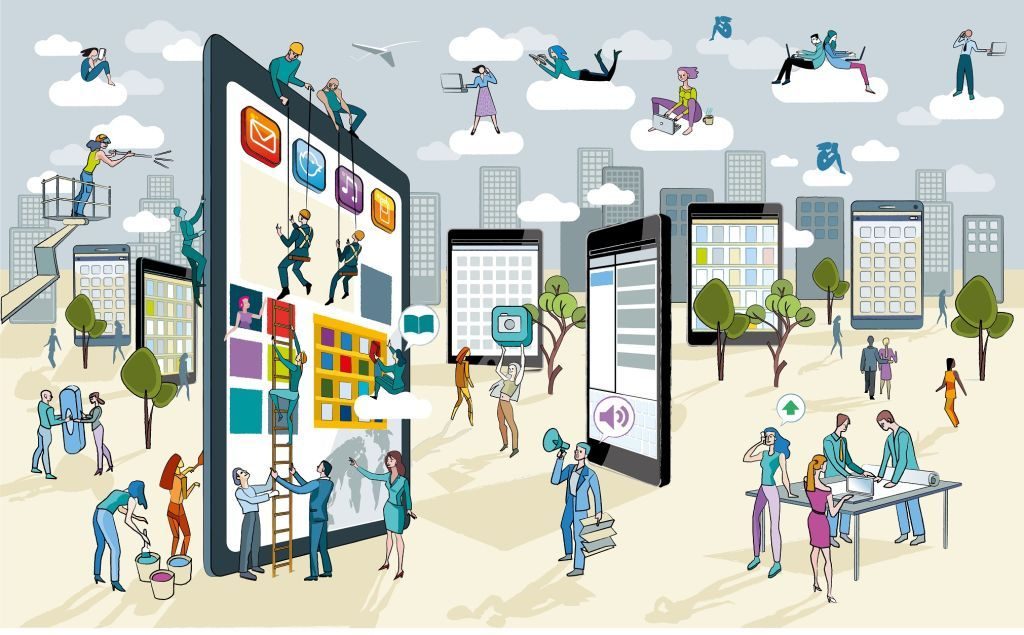
In an interview realised in 1926, the famous Serbian inventor, engineer and physicist Nikola Tesla commented: « When wireless is perfectly applied the whole earth will be converted into a huge brain, which in fact it is, all things being particles of a real and rhythmic whole. […] and the instruments through which we shall be able to do his will be amazingly simple compared with our present telephone. A man will be able to carry one in his vest pocket». Even when most of people just associate his predictions with smartphones creation, in fact in his interview Tesla also foresaw objects’ interconnectivity through wireless networks. Today this technology exists, at its beginnings it was known as «internet of objects», although now is commonly denominated «internet of things» (IoT). But, what is the IoT? IoT is defined by Cisco’s Internet Business Solutions Group (IBSG) as: «simply the point in time when more «things or objects» were connected to the Internet than people». This has become a fact thanks to the increase in the usage of smartphones and tablets. Between years 2008 and 2009 was estimated that a total of 12.5 billion devices were connected within a population of 6.8 billion users. This means that, for the first time in history, the number of connected devices by person was greater than 1 (1.84, to be precise). IoT us the first real evolution of the internet since its introduction with ARPANET in 1969, it turns into «sensorial» internet, this is, with the ability to determine temperature, pressure, vibration, light, humidity, stress, among other things. At the same time, the internet expands to places and functions that once were unimaginable, that would seem taken out from a science fiction book or movie. From thermometers to the continuous monitoring of human body In white goods and electrical appliances market there has already been given the creation of numerous products designed to improve comfort and quality life of their users. Would you like a thermostat control that learns your temperature preferences and functions by itself? Nest has created one that, in addition to being easy to use, realizes a saving from up to 20% in home energy consumption and can be remotely controlled from an Android device. Other enterprises, like Samsung’s Smart Things, follow the same trend: they offer sensors to home that help to programme the functioning of electrical appliances, to monitor your home’s safety with cameras and automated bolts, even entertainment elements for your daily routine like programming radio to turn on each morning when you wake up. Can you imagine that a patient could ingest a device connected to internet that would enter into his body to help physicians to diagnose the causes of certain diseases? Even though this is not jet successfully developed, nowadays it is possible to count on extracorporeal sensors like Preventice Services’ Body Guardian Heart, that consists of a discreet device sticking-plaster or patch shaped that registers electrocardiogram, pulse, breathing, activity and corporal position; it might be used to give follow-up to patients with cardiorespiratory problems: patient’s information is wirelessly sent to a monitoring centre of the enterprise and physicians can access to their patients’ the information at any moment (besides, recollected data is also saved in the patient’s smartphone). Interconnectivity as goal IoT can place really small sensors in plants, animals and geological phenomena, it connects them to help controlling and monitoring in stockbreeding and agriculture, it can be used in industry and commerce to improve processes logistics, it can be used for the implementation of city security networks in order to improve street surveillance, also, as we mentioned before, it has many functions applicable at home and within the health sector. Nevertheless, the goal is to reach not simply a great amount of independent devices, each connected to its own network, the objective of the IoT is to achieve an interconnectivity among systems, creating like this a unique subsystem that allows devices to interact among them independently of their brand of main function. That is to say, the idea is that a device can monitor your health so, for example, it can adjust your diet through a control in your refrigerator that realise the shopping list of supplies, based on what you have ran out of and your nutritional necessities. Likewise, at a macroestructural level, the IoT seeks to create smart cities, in which interconnectivity is not just given among your home devices, but all devices of all users are sharing information and analysing massive data all the time, with the purpose of contributing to the optimization of inhabitant’s quality life. Privacy at risk? What will the IoT bring us? Putting aside the fact that technology and advances in service networks have been improving and evolving over the years, there is still a theme of concern for users: everything related to their personal information and the exposure it implies keeping such data on the cloud. IoT defenders have stated that the private information will not be shared by enterprises monitoring it, but there still the latent danger that one day, some consortium or Government with enough authority might obtain these users’ data. On the other hand, it should be noted that the parameters to define cybercrimes are yet too vague, which is why scepticism about having your whole life inside a universal system that is accessible from any device is something to consider. Indubitably, once outpaced the obstacles in the matter of security, network overload and the way devices can have auto-sustainable energy sources, IoT will have more in its favour than against it. The new internet revolution has come to improve our lifestyle and the way we perceive the world. Who knows? Perhaps in some years it will be possible to outpace current problems related to the creation of connectivity and safety protocols which be more suitable to guarantee both the ideal incorporation and the best performance of IoT in our lives. And we should not forget that, likewise, digital alphabetization and global access
Students belonging to the Higher Technological Institute of Misantla (Veracruz) visit PIT-UAS facilities
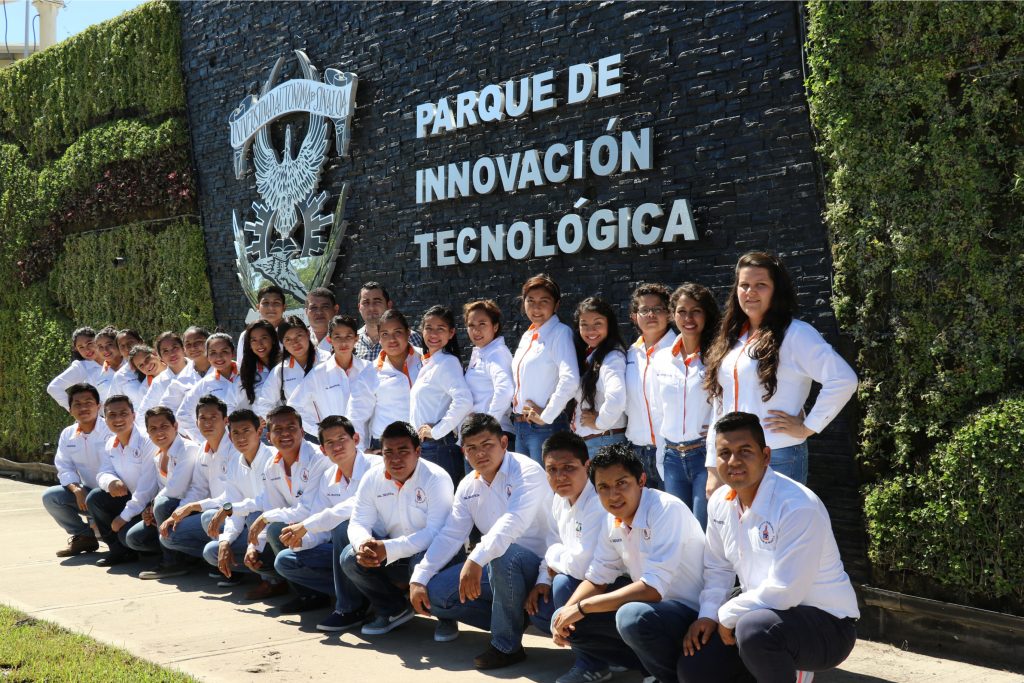
As part of their academic itinerary through Sinaloa state, over thirty students belonging to the Higher Technological Institute of Misantla (Instituto Tecnológico Superior de Misantla, ITSM), coming from Veracruz (Mexico), had a guided tour through the facilities of the Technological Innovation Park (Parque de Innovación Tecnológica, PIT) of the Autonomous University of Sinaloa (Universidad Autónoma de Sinaloa, UAS), where they experimented an approach to science and technology, fundamental elements for their professional development. Within an environment of comradeship and enthusiasm by knowing the diverse scientific-technological projects in development at PIT-UAS, administrative personnel of the Park guided the ITSM’s students of Industrial Engineering through a tour that covered each one of the laboratories, workshops and areas that form the aforementioned university technological park. Throughout the visit, among doubts and comments of the students, they were talked about projects that can be carried out at areas related to engineering, such as a plastic material recycler to reuse the material for 3D printing, as well as a meteorological station, among others. There were also broached complementary themes to the youths’ career objective, which consists of «forming professionals in industrial engineering with creative and managerial skills», since at PIT-UAS are executed transdisciplinary projects of applied and basic researches which development requires proactive profiles and with abilities to practise leadership. During the final part of the tour, visitants could share and comment their experiences along the visit, besides, they participated in the raffle of the book The Large Hadron Collider, stories of the biggest laboratory of the world, written by Gerardo Herrera Corral and published by UAS Publishing Directorate and Proceso Publishing House. In this way, PIT-UAS stimulates among students the interest to research and reinforces University’s linkage with other higher education institutions, in order to facilitate that in the future there can be interinstitutional collaboration for the development of projects, research stays, and other scientific and academic activities. Written by Moroni Arellano (Communication and Diffusion, PIT-UAS), Translated by Belem Ruiz (Edition and Communication, PIT-UAS).
Alumnos del veracruzano Instituto Tecnológico Superior de Misantla visitan las instalaciones del PIT-UAS
Como parte de su recorrido académico por el estado de Sinaloa, más de treinta alumnos del veracruzano Instituto Tecnológico Superior de Misantla (ITSM) tuvieron una visita guiada por las instalaciones del Parque de Innovación Tecnológica (PIT) de la Universidad Autónoma de Sinaloa (UAS), donde experimentaron un acercamiento a la ciencia y la tecnología, elementos primordiales para el desarrollo de su profesión. En un ambiente de compañerismo y entusiasmo por conocer los distintos proyectos científico-tecnológicas que se desarrollan en el PIT-UAS, personal administrativo del Parque guió a estudiantes de la carrera de Ingeniería Industrial del ITSM a través de un recorrido que abarcó cada uno de los laboratorios, talleres y áreas que conforman el mencionado parque tecnológico universitario. A lo largo del recorrido, entre dudas y comentarios por parte de los alumnos, les fueron mostrados los proyectos que se pueden llevar a cabo en las áreas afines a la ingeniería, tales como una recicladora de material plástico que puede ser reutilizado en proyectos de impresión 3D, así como una estación meteorológica, entre otros. Además se abordaron temas complementarios del objetivo de la especialidad del grupo de jóvenes provenientes de Veracruz, que consiste en «formar profesionales en ingeniería industrial con habilidades creativas y directivas», pues en el PIT-UAS se efectúan proyectos transdisciplinarios de investigaciones básica y aplicada cuyo desarrollo requiere perfiles proactivos y con capacidad de ejercer liderazgo. Durante la parte final del recorrido, los visitantes pudieron convivir y comentar sus experiencias durante el mismo, además de que participaron en el sorteo del libro titulado El Gran Colisionador de Hadrones, historias del laboratorio más grande del mundo, cuya autoría es de Gerardo Herrera Corral y se trata de una edición de la Dirección de Editorial UAS y la editorial Proceso. De esta manera, no sólo se incentiva el interés hacia la investigación en los estudiantes, sino que se refuerza la vinculación por parte de la Universidad con otros entes de educación superior para facilitar que en un futuro se dé la colaboración interinstitucional para desarrollar proyectos, estancias de investigación, entre otras actividades de carácter científico y académico. Moroni Arellano (Comunicación y Difusión, PIT-UAS).
3D printing, the revolutionary industry of the future that might save your life… or at least make it more entertaining and delicious
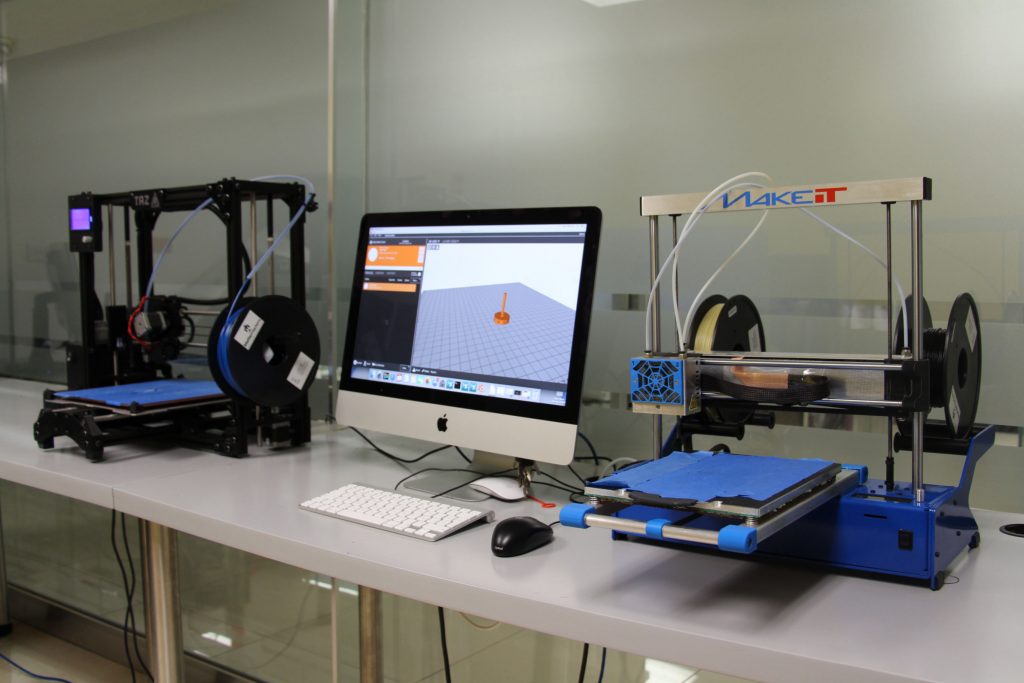
How many times haven’t you come upon items at internet that you would like to acquire but they are very expensive or are manufactured in places so far that it is almost impossible to get them? It is one of those moments when you wish that with a mere click you could buy such designs and print them, objectifying them without the least difficulty and from the comfort of your own home. Even though it might seem taken from science fiction, in fact you already can do it, thanks to 3D printing, this revolutionary industry of the future that day by day finds more uses in human endeavours fields so dissimilar as jewellery, medicine, education, prototyping, bakery and the automotive industry. 3D printing: its origins and types Contrary to what is believed, 3D printing ain’t nothing new, it has been developing since the eighties, and it was all due to inkjet printer beginning. As soon as this one was created, specialists started trying to figure out a way to inject materials instead of ink, in order to be able to realise low-cost models and prototypes. In 1984, the American Charles W. Hull invented the stereolithography, which consists of a technique with a printer that by means of an ultraviolet light beam solidifies liquid resin contained in a vat, in certain areas specified by the design plan that is provided to the machine. A 3D printer functions by using one or more techniques of additive manufacturing, which is the process of objectifying by placing a material layer by layer, from the base to the upper part. Materials, that are placed in repositories and dispensers, are elements that may vary, the most common are: plastic, resin, clay or ceramic; within the industry, metal or glass dusts; in medicine, a special medical gel created out of the patient’s stem cells (used to print tissues and organs); recently, in gastronomy porridges and chocolate are prepared to print food. Now, in order to go from design to printing, it is possible to use 3D scanners to digitalise the designs of objects that already exist in the real world and reproduce them through this additive manufacturing technique. 3D printers come to live when they are used for a good computer-aided design (CAD), which indicates to the device where to place the material, layer by layer, in order to move from an intangible 3D design to a final tangible product. After the first printer for additive manufacturing created by Hull, distinct types of printers have been developed, which use diverse materials and different techniques to adhere each layer. Thus, there are four 3D printing types: Selective laser sintering. As its name implies, it possesses a laser that fuses the selected areas of a preheated dust block (generally nylon, polystyrene or glass). Extrusion material. Technique also known as fuse deposition modelling, uses a nozzle to melt and deposit metal or plastic filaments. Colour 3D printing or binder projection. It overlaps pigments and layers of a binder liquid on a bed of compacted dust that serves as raw material; at the end, the piece is extracted and the non-fused pulverised material is removed. PolyJet. Uses as basis extrusion techniques of material and colour 3D printing, but it is able to build object of three different materials and colours at a time in the same design, thanks to its multiple nozzles. Current uses of 3D printing In the last years, given the decrease of the price of 3D printers, this technique has been rising and expanding to the creation and help within many commercial and scientific areas. Originally, 3D printing was used exclusively in the creation of economical prototypes in the engineering fields; nowadays we can see it present both in fashion industry and in medicine. Within the medical field, it is used for the prosthesis creation with low-cost materials and there are even some free designs available for those who need to download them. Also, there is work being done for the development of artificial organs printing for transplants. The method known as bioprinting consists of printing a tissue using as basis the patient’s stem cells, this guarantees that the transplant will not be rejected by the recipient and that it suitably works. Although such technique is still in development, human liver prototypes have been made for testing. On the other hand, this year it was much talked-about case the Food Ink opening, the first restaurant in the world to use 3D print for food. In search of presenting an exquisite and interactive experience, Food Ink gathered architects, artists, chefs, designers, engineers, invertors, technologists and people with futurist visions, so as to join both the philosophy and the innovation of science and apply them for the creation of delicious and beautiful dishes, for the visual and gustatory delight of the diners. 3D printing also seeks to make an incursion into education sciences and mathematics for youth in school age. With the usage of 3D pieces that students can handle, learning becomes much easier because it turns theory more practical and interactive. In countries like the United States or the United Kingdom have been already started some initiatives to count on a 3D printer in each classroom; an initiative that has been formulated thanks to the decrease in the prices of 3D printers and the current options diversity that has appeared in the market. A new revolution 3D printing is part of what industry experts call «the third industrial revolution». It is quite clear for people that this new creation method, if brought to factories and enterprises, would help to reduce costs in many aspects. In this sense, perhaps the most evident fact is that less workforce would be necessary, given that the machine will realise the job of most assembly labourers, since it creates complete pieces from their design. Therefore, by selling online the same design, the user or final client will be able to make the printing from his own machine or in one of the 3D
PIT-UAS participates in the National Week of the Entrepreneur 2016
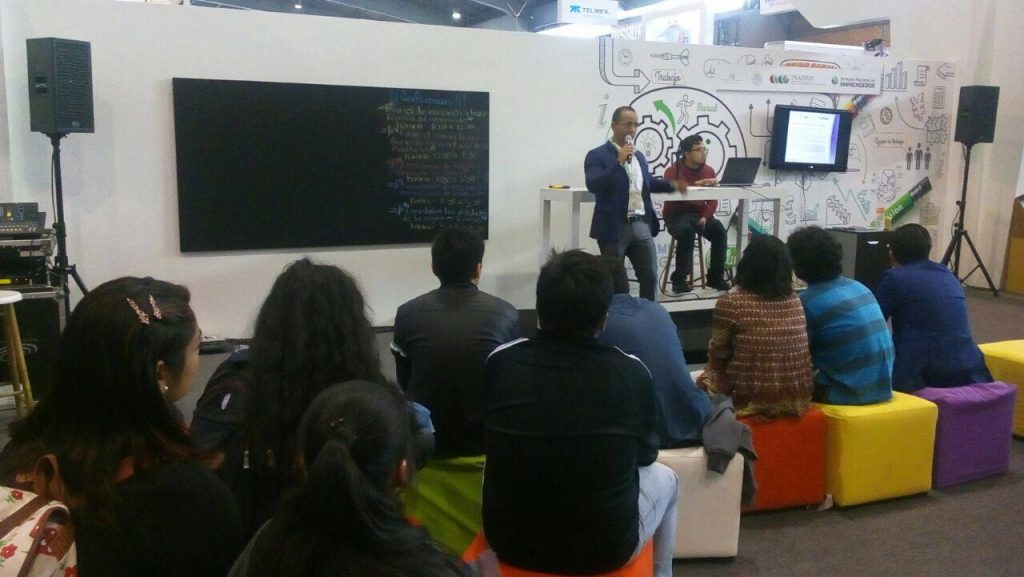
By imparting the conference titled «The Innovation and Knowledge Transfer Network, a tool to foster the industries of the future», the Technological Innovation Park (PIT, Parque de Innovación Tecnológica) of the Autonomous University of Sinaloa (UAS, Universidad Autónoma de Sinaloa) participated in the fourth edition of the National Week of the Entrepreneur (SNE, Semana Nacional del Emprendedor) that each year is organized by the National Institute of the Entrepreneur (INADEM, Instituto Nacional del Emprendedor), which this year was carried out from October 3rd to the 8th at Expo Santa Fe México (Mexico City) and had as main subject the industries of the future. University’s intervention was developed during the event’s second day of activities, at Innovation Ecosystem’s Half Moon Kiosk. The talk, in charge of a Park’s collaborator who is also member of the academic body Educative Innovation (UAS-CA-288), consisted of expounding the quadruple helix model and institutional linkage models worked at PIT-UAS, as well as some of the Park’s projects that belong to the industries of the future, among other themes that generated great interest and captivated the attention of about a hundred people. In this conference was expounded the creation of the Innovation and Knowledge Transfer Network, supported by Mexican public policies in the matter of research, development and innovation (R&D+i), besides it incorporates the quadruple helix model (Government, industry, university and society), realises transdisciplinary projects of applied research and resolves specific necessities of private initiative, municipal and state problems for the scientific and technological development, as well as to perform solutions before the federal Government necessities. On the other hand, this network’s creation was detailed, is formed currently by six higher education institutions: Autonomous University of Sinaloa, Autonomous University of Hidalgo State, Autonomous University of San Luis Potosí, Quintana Roo University, Juárez Autonomous University of Tabasco and Autonomous University of Ciudad Juárez; the speaker highlighted some points related to projects in development and some forward projections. Also, was played the video for PIT-UAS’ second anniversary, reached on May 15th of the present year. Throughout the exposition, representatives of diverse universities were interested in the showed information and expressed their testimonies regarding the strength provided by such knowledge networks to make synergy among universities and thus share ideas and disciplines, according to different national sectors. Likewise, there was some people related to private initiative and some youths who got close and showed interest in doing professional practices or scientific summers at PIT-UAS facilities. By last, Norma Lucero Mondragón Flores, director of INADEM’s Innovation and Promotion, congratulated the University by its outstanding participation in the SNE 2016, event that previously won the Guiness World Record for «the biggest attendance to an entrepreneurial event». Mondragón Flores recognized in the University an important innovative entity, thanks to the different projects in development at its technological park and the possibilities it projects at medium and long terms within the industries of the future sphere. Written by Moroni Arellano (Communication and Diffusion, PIT-UAS), Translated by Belem Ruiz (Edition and Communication, PIT-UAS).
Recycling technology for 3D printing material is developed
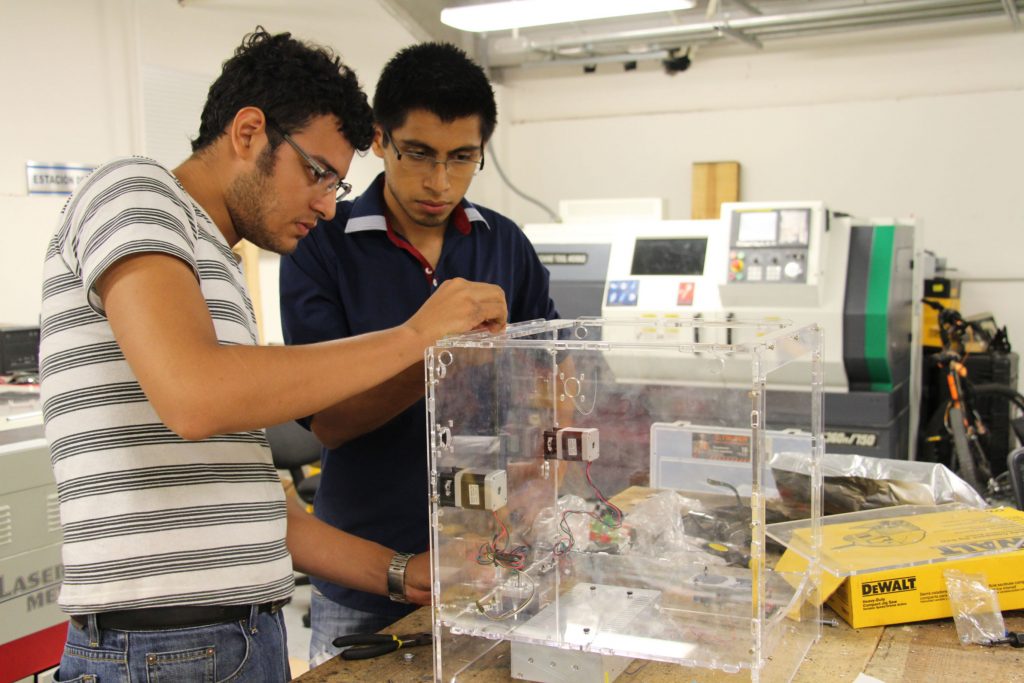
Students of the Autonomous University of Sinaloa (UAS, Universidad Autónoma de Sinaloa), who participate in the creation of prototypes at the Technological Innovation Park (PIT, Parque de Innovación Tecnológica), developed a systems that allows for recycling up to 70% of material used in 3D printings. Javier Eduardo Avitia Camacho, altogether with his schoolmates of UAS’ industrial processes and electronics engineering, became aware that PIT destined an important amount of resources to acquire 3D printing material, specifically ABS and PLA plastics. These youths decided to develop a system that permit to save material, so it could be reusable. They did, at the same time the projects they develop at PIT, some of which are technologies for local enterprises. Javier Avitia, for example, currently works on the prototype of a more versatile machine, this is, with bigger printing usefulness, for its use in the engineering and architecture sectors: a 3D blueprints, printed circuit boards, among others; all in the same machine. «We develop a 3D printer. Based on this one, we saw the necessity of recycling the printer’s wasted materials, given that if any piece is wrongly designed or in bot being used, it is thrown away, and is plastic material not being used at all and that just pollutes the environment. That is why we decided to do something about it. We decided to recycle those materials, which are thermoplastics and not so complicated to recycle», he commented. First, he said, they granulated the material, that was extruded after, so it could get back its raw material form, as it is used in 3D printers. «Like this, it is possible to use at least five times the same material. This is, we no longer throw away the material, we use it again in new prototypes», he commented. Even, he added, they devised that once the five cycles are accomplished it be possible to blend it with virgin material and reuse it once again. This has generated savings of 70% in the acquisition of printing material at PIT. «At PIT, we have four 3D printers. We use many plastic kilograms, and with this we are diminishing the material purchase. Virgin raw material, small chips, have a cost near to 100 pesos. If you put this virgin material, automatically realises the filament, which cost is of 500 pesos per reel», he explained. In the recycling process is included the material that, by some reason, did not work or that approved prototype that goes to higher-resistant material elaboration, ready for its commercialisation. The systems consists of two machines, two independent prototypes, among them is the plastic material recycler. Now, students work to make the whole system more compact, reducing the machine to a smaller size in order to look for its commercialisation. «We are also searching the system’s patent. This will be during the next months», said Javier Eduardo Avitia Camacho. Written by Janneth Aldecoa (Conacyt Information Agency), Translated by Belem Ruiz (Edition and Communication, PIT-UAS).
Artificial intelligence: from Turing test to the dream of emulating human brain
When we speak about artificial intelligence (AI), thanks to the characterisations of thinking and autonomous robots that Hollywood has given us, we keep a futurist and distant notion of metal beings emotionally sensible that represent the miracle of the creation formulated by the man’s bare hands. However, the reality is that we already get along with very common AI forms day-to-day: from videogames to web browsers, artificial intelligences have been helping us with our quotidian tasks for more than sixty years. The most well-known advances in this field of computing sciences have involved the development of data research and learning algorithms, as well as the incorporation of statistical analysis for the comprehension of the world on a broad scale. But these advances are perceived as subtle, from the perspective of a general public that still awaiting the arrival of a robot capable of chatting, either about spaceships self-drivign or about philosophical issues. But what are the AI? Some AI definitions According to the experts Stuart Russell (Computing Sciences professor at the University of California) and Peter Norvig (Research director at Google), the AI are classified in four types of systems. Below, we pick up the quotes included by Russell and Norvig in their prestigious book Artificial intelligence, a modern approach, currently used by over three thousand universities in more than one hundred and then countries. Systems that think like humans. John Haugeland (1985): «The exciting new effort to make computers think… machines with minds, in the full and literal sense». Richard Bellman (1978): «[The automation of] activities that we associate with human thinking, activities such as decision-making, problem solving, learning…». Systems that thinks rationally. Eugene Charniak y Drew McDermott (1985): «The study of mental faculties, through the use of computational models». Patrick Winston (1992): «The study of the computations that make it possible to perceive, reason, and act». Systems that act like humans. Raymond Kurzweil (1990): «The art of creating machines that perform functions that require intelligence when performed by people». Elaine Rich y Kevin Knight (1991): «The study of how to make computers do things at which, at the moment, people are better». Systems that act rationally. David Poole et alii (1998): «AI is the study of the design of intelligent computational agents». Nils Nilsson (1998): «AI… is related to intelligent behaviour on devices». Turing test and AI beginnings The first approach made on this subject was carried out by British mathematician Alan Turing in 1950, in his article «Computing machinery and intelligence», where he considered the possibility of creating machines capable of imitate human beings and their ability to realise tasks of intelligence or mental dexterity like, for example, playing chess. His main proposal was based on the matter of determining if computers, beyond their irrefutable skills to logical thinking, would be able to think. The Turing test derived from that work, picks up the imitation game explained by the mathematician in his text: two rooms, two persons, one computer; in a room, one person (interviewee 1) and the computer (interviewee 2); in the other room, the other person (interrogator) has the duty of distinguishing which one of the interviewees is human. Even though up to date the computer hasn’t been able to posing as a human being before another human being, the test still marking a parameter to follow during the coming years. Although with his pragmatic explanation from mathematics and philosophy about machines and their sensibility or «feeling» ability, Alan Turing was the first to open the door to research on artificial intelligences creation, it was not until 1956 when the term artificial intelligence was coined, when John McCarthy used it in his first academic conference on the subject. The progress in AI’s development A highly studied theme within AI area, when it comes to show the capabilities reached in its development, are software and machines created with the ability of defeating world champions in games like chess. In a certain way, this game of strategy and analysis has always been linked to the intelligence concept, event in Turing’s paper were suggested questions about chess moves for the machine to solve them. During over five decades of research, scientists have dreamed on creating a machine equipped with an interface able to think autonomously, with no need of human intervention at all; they still far from that goal. But, it should be clarified, the idea of creating an intuitive machine has its detractors, who stigmatize it as dangerous, impossible or strayed from AI’s original course. On his part, Marvin Minsky, one of the founders of this discipline, emphasises: «Great advances in artificial intelligence occurred between sixties and eighties of the last century. During the past years I have not seen anything that surprise me, because now founding is more focused on short term applications than basic science». Whereas Jeff Hawkins, in his book On Intelligence, highlights that computers went from being room-sized to be small enough to fit in a pocket in just half a century; since our starting point is technologically advanced, Hawkins predicts that the transition to intelligent machines will occur in less time. Another believer and visionary on predictions for the near future within AI is Raymond Kurzweil, Engineering director at Google: the creation of nanobots able to patrol the body’s physic and neuronal functioning, injected nanobots in human bloodstream that would later download the information in a supercomputer; neuronal data storage, by means of a software, could recreate a version of the human mind (memory, emotions and thoughts), that could be taken into other machines, which would act as the original person, creating like this an immortality notion. Current AI uses Google enterprise, after five years of development, has created a Lexus automobile capable of driving itself. Developers «taught» it how persons drive, driving rules and, thanks to devices installed in the car and an internet connexion, it can know routes, traffic flow and simulate what a human driver would do. Last moth, Sony announced two pop songs composed by AI. The
Challenge 10: Sinaloense youth in pursuit of scientific-technological innovation
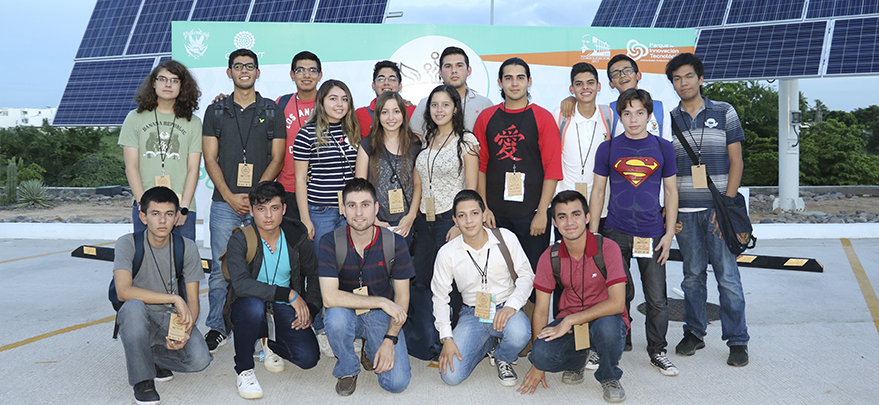
With enthusiastic spirit and lots of energy, this Friday 30th September was started Challenge 10, as part of the programmed activities for TechnoCamp 2016. The chosen youths were convened at 9:00 a. m. at the facilities of our scientific-technological university park, where they would develop the dynamic’s diverse activities during the day, concluding at 7:00 p. m. PhD Inés Vega López and MSc Rogelio Prieto Alvarado gave the inaugural welcome to participants, both of them were juries of the competence and are current collaborators at the Technological Innovation Park (PIT) belonging to the Autonomous University of Sinaloa (UAS). Vega López wished success to all of the selected ones gathered at Training Room and invited them to take interest in PIT-UAS, an open space for youths to strengthen their scientific vocations. For his part, Prieto Alvarado classified this kind of events as an «incentive so their interest [youths’] remain and can be boosted». It was told to technocampers that they would have 10 hours to live the experience of facing the not so easy challenge of strategizing a scientific-technological solution for problems pre-established by organizers, based on real entrepreneurial an social necessities. For these potential future researchers, Challenge 10 represents an open door to inspiration, which invites them to enquire into ways of solving social problems through scientific-technological innovation, as well as being part —over the next years— of research and development centres as the PIT-UAS itself. Since the beginning of the event, an atmosphere of camaraderie was breathed among all the participants, each of which was chosen by the following criteria: being high school or university students, have competed in knowledge olympiads or prototypes contests and have been subscribed by means of the online application for TechnoCamp. Those who had these qualifications were candidates for being randomly selected, any of them could take one of the 16 available posts in the competition (although, given the great attendance to TechnoCamp, this number of posts had to be increased to 19). Many of these students talked with us about their motivations to approach to science, some of them begun with curiosity to go towards physics or mathematics since an early age, they saw it as a way to obtain answers to their unanswered questions about the world; others started going in depth into hard sciences through their participation in academic contests or thanks to testimonies given by people involved in these study fields. All the tecnocampers, even though their stories are different, have common vision: do their bit, contributing to change and to improve the world through their knowledge. By counselling and support, the event has the objective of helping them to accomplish this shared dream. Challenge 10 dynamic consisted of dividing the 19 participants in four teams, each of which would solve a specific problem through the elaboration a project proposal including the plan of a prototype. The problems to be treated belonged to fields like precision agriculture, renewable energies and sustainability, mobility and transportation, besides public security. Each of these proposals would contribute to the resolution and improvement within the assigned area; the winner team will have the opportunity of realising its project’s prototype within the PIT-UAS’ facilities, with its researchers and professionals’ specialised guidance, supplemented by institutional financing support. As part of the counselling, each team passed by the Park’s distinct workshops and laboratories, where was given to them an outlook of what this university organizational unit is capable of doing in the matter of robotics, bioinformatics, physics, renewable energies, software development, automation, 3D printing and other industries of the future that are worked on within the facilities, thanks to material and human resources that the PIT-UAS has. Technocampers could lay out specific questions regarding to the problem they were told to resolve, doubts that were answered by people in charge of the visited areas. In this way, the 19 youths joined the synergy each day is carried out at our facilities, where coincide different knowledge areas in search of resolving social problems. The duration in each laboratory was of about thirty minutes, so this part of the event lasted a little bit more than two hours. Afterwards, the contestants had a break for lunch, socialising and getting to know each other better, in this pleasant and innovator space, surrounded by scientific-technological prototypes and highly specialised machinery than in the future might become their quotidian scene. Finally, the participants delivered their projects to the jury. Evaluators members analysed, one by one, the projects, taking into account as evaluation parameters technical and financial feasibility of the proposal, grade of innovation it represented, economic, social, environmental and scientific impact, multidisciplinarity and the realisation time it would take. After a little more than an hour and a half of deliberation, following the intense research and learning day lived by the participants, the juries selected one proposal as the winner. The evaluating jury was conformed of PhD Ildefonso Léon Monzón (full-time principal professor-researcher C at UAS’ Physic-Mathematics Sciences Faculty and responsible of PIT-UAS’ Electronics Instrumentation and Radiation Detectors Laboratory), PhD Bianca Amézquita López (principal professor-researcher B at UAS’ Chemical-Biological Sciences), PhD Inés Vega López (responsible of PIT-UAS’ Bioinformatics Laboratory), PhD Carlos Duarte Galván (professor-researcher at UAS’ Physic-Mathematics Sciences Faculty) and MSc Rogelio Prieto Alvarado (PIT-UAS’ operative coordinator). Thus, during the closing ceremony, that took place at Smart Eco-Park, the Seeds-Flux Sensor for Traditional Sowings to Obtain Greater Precision in Agricultural Consumables Distribution. First place winners were received with huge ballyhoo: Emmanuel Guillermo Rojas Márquez and José Francisco Espinoza Soto (UAS’ Physic-Mathematics Sciences Faculty), Martín Darel Lugo Leyva (UAS’ Biology School), Norma Guadalupe Rodríguez Aguilar (Jean Piaget del Río Institute) and Héctor Omar Salazar Obeso (UAS’ Dr. Salvador Allende pre-university academic unit). It was particularly moving to see these five technocampers gathering in a group embrace when they were declared winners, celebrating like this the recognition to their efforts and the obtained opportunity, fruit of their perseverance and interest in matters of science, technology and innovation. In the words of PIT-UAS’ general director: «It is
TecnoCamp’s first edition is inaugurated at UAS’ Academic Tower
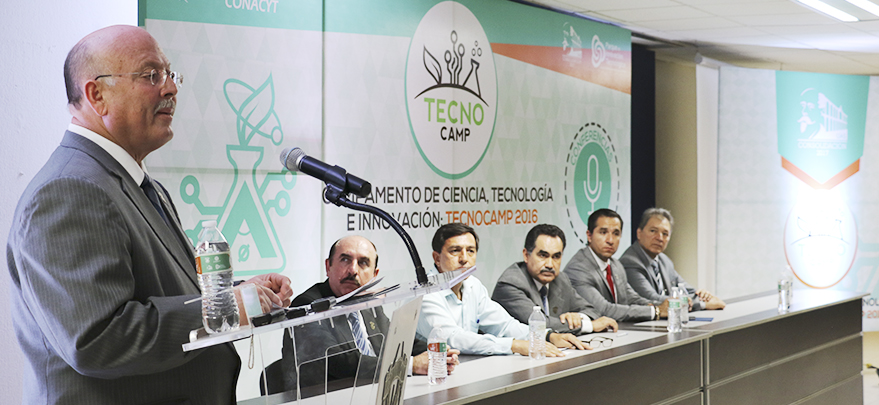
This Thursday 29th September, within the framework of the federal call denominated Encouragement to Scientific Vocation in Mexican Children and Youths Programme, promoted by the National Council of Science and Technology (Conacyt, Consejo Nacional de Ciencia y Tecnología), the rector of the Autonomous University of Sinaloa (UAS, Universidad Autónoma de Sinaloa), PhD Juan Eulogio Guerra Liera, inaugurated together with the general director of the Technological Innovation Park (PIT), MBA José Ramón López Arellano, Science, Technology and Innovation Camp’s first edition, TecnoCamp 2016, an event that aims to boost scientific-technological vocations of Sinaloense youths of high schools and universities. Diverse personalities attended to the event’s inauguration, directors of different academic units and representatives of science and technology in the state. Also attended over five hundreds of young university and high school talents belonging to different academic units of the entity, both UAS and other educative centres (Polytechnic University of Sinaloa, Jean Piaget del Río Institute, Sonora Institute of Technology, Los Mochis Technological Institute…). The first day of activities started with three conferences imparted at the Multiple Usages Hall by doctors invited to the event, scientists and researchers of diverse areas of knowledge which work has national and international recognition: Ricardo Hugo Lira Saldívar (C principal investigator, Applied Chemistry Research Centre), José Martínez Carranza (Computing Sciences coordinator at the National Institute of Astrophysics, Optics and Electronics) and Ildefonso León Monzón (ALICE detector responsible at the European Centre for Nuclear Research). Lecturers spoke to the attendees about themes related to industries of the future, like drones and nanotechnology, besides frontier research. By gathering these specialists so they can bring their message to young talents, PIT-UAS seeks to contribute to what is stipulated within the axis 2 of the Plan of Institutional Development Consolidation 2017, in the matter of carrying out the production, usage and distribution of knowledge by means of the strategy of motivating scientific spirit among student community. Next week we will publish video clips about these three lectures in our social networks. Ultimately, is worth recalling some words said by López Arellano: «With events like TecnoCamp collective intelligence and scientific vocations are stimulated, so these youths become knowledge society’s catalyst». For his part, Guerra Liera emphasised: «… one of the greatest challenges for a country that aims to consolidate itself as a developed one is technological innovation, which marks the future we have in the same way higher education institutions do… At the Autonomous University of Sinaloa we want to express the alliance with the technological future, and it has been through institutions like Conacyt that we have been developing it». Written by Moroni Arellano (Diffusion, PIT-UAS). Translated by Belem Ruiz (Edition and Communication, PIT-UAS).