New 3D printing materials, evolution with no limits
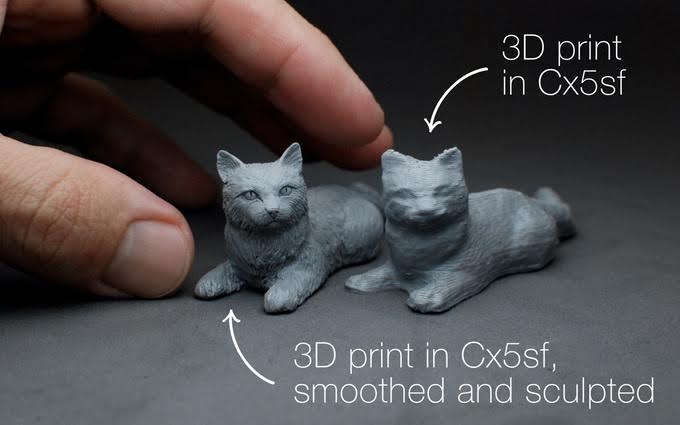
What does a technology needs to evolve? The answer is simple: innovating. In the particular case of 3D printing, one of the industries of the future, despite it was invented in the eighties, day in day out there is work being done to improve it, the perfection of this technique is sought trough new materials. The first raw material in three-dimensional printing was resin, fused deposition modelling (FDM) was tried afterwards using acrylonitrile butadiene styrene (ABS) and polylactic acid (PLA), which have been perfected in order to achieve a better final product. But it does not end there, also different materials have been used, from nylon, flexible, wood… until arriving the most innovative. Three-dimensional print had a slow beginning, with no hurry, but in the last years it has experienced a tremendous growth. This technology with over thirty years in the market has had a terrific evolution, what began with curiosity about a less tedious prototypes creation, has come to facilitate processes and now it is aimed to reduce the price of the products, which is why new materials are constantly being created, some of which we present you this STI Wednesday. The «obsolete» materials As we have already told you in one of our previous STI Wednesdays, 3D printing began in 1984, bu Charles Hull initiative, who created stereolithography, first technique used to build a design, which functions by means of the first material used in this technology: photopolymer resin. In resin printers, each label makes its own consumables, that is used for the object printing; nevertheless, there are generic resins with which some printers can work. Resin printing has advantages, like: quick prototyping, high precision and resolution, besides it allows to print pieces of geometric complexity. Each one of the enterprises has different types of resins and they launch more and more to the market, according to the characteristics they want to cover. Nevertheless, not everything is honky-dory: resins have issues like the final product’s fragility and, unlike other materials, these require a hardening post-processing. After stereolithography, in the late eighties and the beginnings of the nineties, emerged a new method, FDM, which had as its first materials ABD and PLA, the way to print would be the same, but these consumables count on different characteristics. ABS is a resistant and hard plastic that, once printed, allows a technique of post-processing to soften the piece through acetone vapour, ideal for mechanical pieces (the problem is that acetone vapour is harmful to health, it has to be used with the opportune security measures); this filament is ideal for creating small pieces and can bear relatively high temperatures. When it comes to PLA, it is a more fragile material that, unlike ABS, can be printed in cold temperatures, which helps the printing to be quicker; this consumable is biodegradable, so it does not considerably affect the environment and neither produces harmful vapours; nevertheless, not everything is as sweet as honey: this material recycling is complicated, also offers a limited handing after the printing. In short, ABS is more functional for industrial uses, while PLA is better for domestic usage. A reason why these are the most used is the accessible cost of such filaments, which can be used to realise prototyping pieces that later can be manufactured with higher quality materials. PET, the most sustainable combination Polyethylene terephthalate (PET) is one of the 3D printing new materials of co-polyester. One of the methods to obtain it consists of recycling PET plastic bottles, aiming to help the environment and the user’s economy, since its acquisition turns out to be economic. This product has characteristics of two of the most used materials in this technology (PLA and ABS), PET is very resistant and it can be easily handled. Besides, according to the Food and Drug Administration (United States), despite being a recycled material, has the approbation to be in direct contact with food. One of its disadvantages is that, when it surpasses 70 Celsius degrees, polyesters do not keep good properties. Bioprinting, the future of medicine? Traditional 3D printers normally use materials such as plastics, resins, metals… but now has arrived the bioprinting era, that seeks to benefit people’s health by using materials with human tissue base. Living tissues and cells can be obtained from the patient himself, to create cartilages and bones that can be replaced. It is worth mentioning that such contribution to science remains in its period of experimentation and tests on animals. The benefits this material would bring is facing the lack of transplant organs and the excessive amount of required donors, tissues reconstruction, as well as taking advantage of this technology for human life extension. The existing obstacles for three-dimensional printing are the lack of control in cellular penetration and seeding of tissues, which gives as result a tissue with no uniform maturation, limited oxygen diffusion through great constructions and there are no capillaries or vascular tubes. Certainly, it would be truly beneficial for the world, but is still a challenge for science. Cx5, in search of perfection This material seeks to solve the flaws that make impossible perfect prints. Adam Bean, a recognised sculptor, created the new filament Cx5, a material that is a mystery due to the fact that the creator has not unveiled its secret, although he assures it is a natural material, non-toxic and of sustainable origin. This innovative product is handled as hot clay, allows finishing touches like wax and can be as hard as a plastic. The main characteristic of this consumable is that, once the figure is printed, this can be modelled and detailed to avoid the printing layers and imperfect finishes from being discerned. In addition to these characteristics that differentiate Cx5 from other products, the printings with this material can easily stick on acrylic (crystal or metal), an enormous advantage so the sculptors can work their creation with finer details. This is a tremendous technological advance, but is not easy to acquire, since its cost is elevated,
TBE: entrepreneurs future or one more step for transnationals?
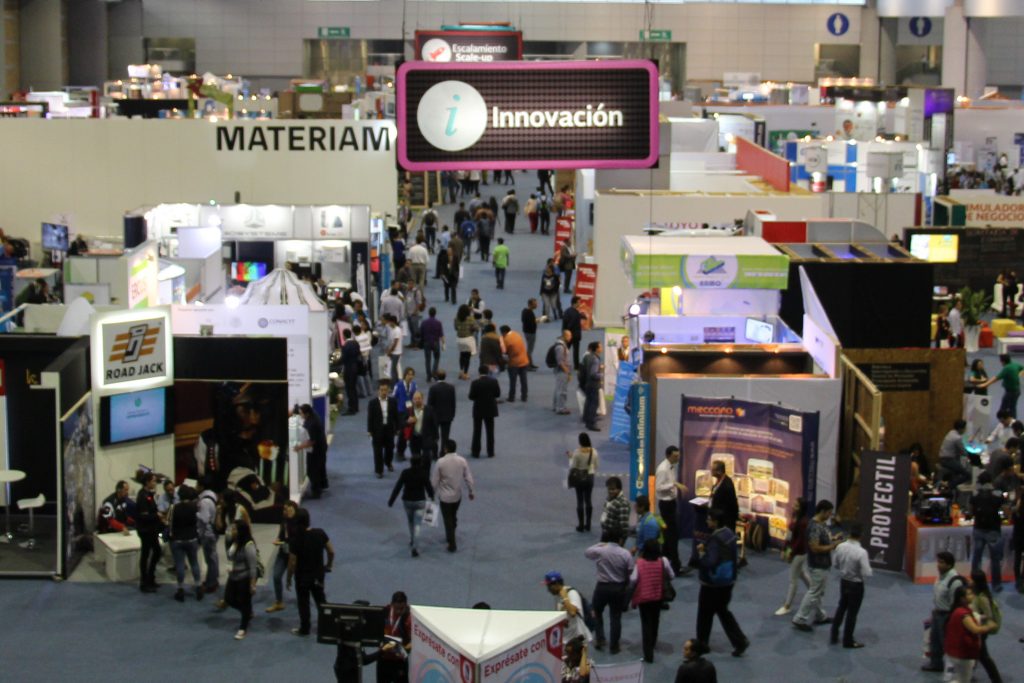
Recently we have witnessed the emergence of tens of new business related to technological matters such as software development, research on biotechnology, exploitation of renewable energies, enterprises that have even become responsible of launching new products to the market. Certainly the aforementioned are some examples of technology-based enterprises (TBE), but the story of these organizations is not as recent as you may think, since, according with Humberto Merritt (in his 2012 publication titled «Mexican enterprises of technological basis and their innovation capabilities»), since 1977 a study made by Arthur D. Little Consultancy allowed to define TBE as independent enterprises, of less than 25 years old, that base their operation on exploiting a technological invention or innovation that involve a substantial technological risk. As their name expresses, TBE have new technological-scientific discoveries as main foundation of their activity and with them they raise awareness in the market new and distinct products, processes or services, this is, they include innovation in its functioning. Although this is no it yet, you may wonder how TBE emerge, if not by spontaneous generation. This CTI Wednesday we will have an answer those exposes, in addition to an idea, an institutional support and more useful knowledge to materialise a TBE. What is a TBE and which elements determine its essence? Summarizing, there is a group of small and medium-sized enterprises that operate by means of intensive usage of technological knowledge. During the last years TBE have become an example of successful collaboration between industry and academy. It should be highlighted that there are other types of enterprises, less traditional, that relate with TBE, namely: the so youthful and well-known spin-offs and start-ups, business and enterprise models focused on offering solutions to people, from a perspective based on research and development. Among the 50 start-ups with more future we have examples like these: new platforms for e-commerce like eComMarketing.click, that help to make catalogues profitable without having to keep personnel for it, since everything is managed from a web platform; another case is Emotion Research Lab, dedicated to facial acknowledgment applied to know microexpressions emotions of consumers while they watch an announce; likewise exist TBE like Exovite, that is dedicated to the design of 3D printed splints meant to be directly placed on the patient by the moment the plaster is substituted and include a microstimulator to accelerate the recovery… As well as countless more solutions. Spin-off enterprises function in such manner that they are focused on transferring to society university technology generated through specialised knowledge of researchers belonging to the institution. For its part, start-up enterprises also are of recent creation and they turn their scientific-technological knowledge into new products or processes for the market, they focus on very specialised niches like biotechnology, information and communications industry, precision instruments and fine chemicals. Benefits, desirable conditions and… risks? As we already said before, TBE’s virtues are astonishing, because they are related with benefits translated into resources thanks to the strengthening of research activities, relationships entrepreneurs create with universities, generating human resources prepared to research and work fields, obtaining financial resources and, above all, establishing a TBE network that allow the continuity of this kind of undertakings that facilitates universities to keep on generating resources to continue with these. Among the benefits stands out the creation of research groups, the support to entrepreneurs and university researchers, as well as the universities. Having said that, we must specify that, in order to consolidate the creation of a TB}e, there are some desirable conditions needed: Technology that might be protected (intellectual property), have different applications and be totally developed and tested to be leaded to a wide market. Team conformed of an entrepreneur leader, managers with business experience, a top-ranking technical team and a multidisciplinary team. Business plan in which be captured the steps to be followed for the enterprise’s viability at medium and long terms. Investors interested on investing in the new enterprise for the commercial exploitation of technology. There are also distinct barriers or risks that in some cases can appear: lack of entrepreneur character, financial barriers, lack of experience in the promoting team, as well as in the matter of legal issues. Clear examples of support to TBE in Mexico and the world A clear example of TBE being strengthened by research centres around the world is the entrepreneurship fair annually organised by Russia at the scientific-technological park of Skolkovo. This event, named Start-up Village, is dedicated to undertakings and advances on innovation, science and technology; its duration is of two days and is considered world-class, since it gathers hundreds of entrepreneurs, investors and curious visitors belonging to different parts of Russia and the world. A similar example is given in Mexico, during the National Week of the Entrepreneur, annually organised by the Secretariat of Economy and the National Institute of the Entrepreneur. This is an event bound to entrepreneurs and businessmen, as an effort to encourage scientific-technological applications in new businesses, TBE essence is complemented through the recently implemented Innovation Ecosystem, oriented to processes that aim this kind of enterprises to be created in shorter time and with a cost of cero. How TBE are fostered in Mexico In his article of 2012, Merritt assures: «… it is important to emphasise that the TBEs concept is closely linked to the enterprises incubators and scientific-technological parks model, since these instruments have played a fundamental role in the development of small technological businesses by giving them both the necessary infrastructure and accompanying services for their start and consolidation. Thus, is no causality that many TBE tend to have a regional impact, since they seek to transfer the results of their collaboration with incubator universities to their own markets». In Mexico, there is work being done for the implementation of policies and government programmes that allow to national small enterprises turn into TBE through the strengthening of their «intellectual capital» (this term is used by some of the authors to refer to intangible or knowledge assets, and is
Sensors: invisible but efficient IoT allies
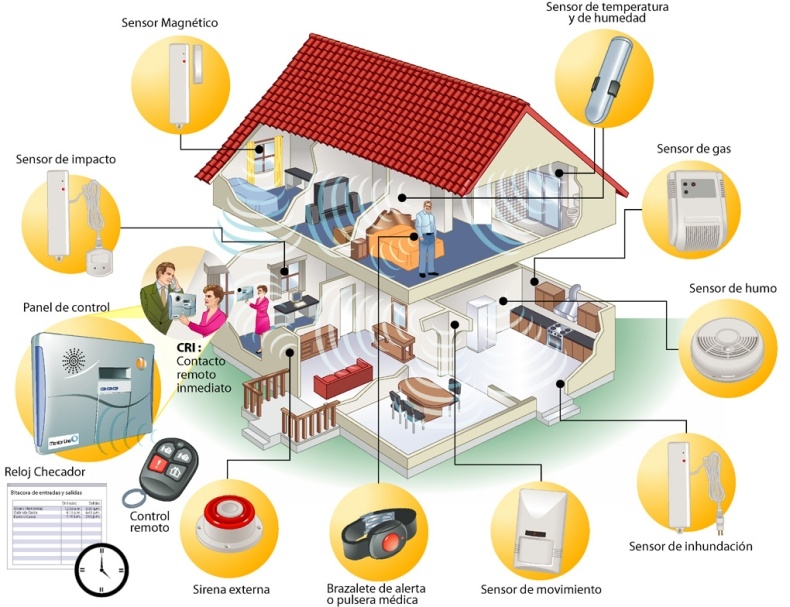
According to some specialists, we are getting closer to the fourth industrial revolution, that includes diverse technologies and industries, among which stand out: 3D printing, artificial intelligence, biotechnology, augmented reality, new computing technologies, neurosciences and sensors. In this edition of our CTI Wednesday we will broach the sensors theme, technology that since decades ago have been accompanying us but is now shaping up as an indispensable ally to the internet of things (IoT). The «invasion» of the sensors These are devices constituted by passive components (those that change their magnitude based on some variable, there are resistive, inductive…) and active components (those that provide electric stimulation, profit or control, like piezoelectric, of Hall effect…), designed to receive information related to an external (regarding to the own device) magnitude (temperature, weight, humidity, pressure, movement…) and to convert it into another magnitude (normally electrical) that can be quantified and manipulated. With regard to sensors types, we have sensors by contact, by ultrasound, of movement, of sliding, of velocity, of current, of temperature, of humidity, magnetic, of pressure, for auto-motion, of proximity, among others. Each type fulfils different functions, but all of them count on the same 14 characteristics that determine the sensor’s quality; it should be mentioned that, depending on the use is going to have the sensor, the design will give more or less importance to each of these characteristics: Linearity. Precision. Sensibility. Measure repetitiveness. Resolution power. Exchangeability. Long-term stability. Physic and chemical pollutants resistance. Time of response. Size. Encapsulating. Integrated electronics. Processable exits. New technological advances make easier having more sensors around us, we daily interact with hundreds of sensors without even noticing it: we find them in watches, cell phones, refrigerators, air conditionings, automobiles, computers and more; likewise, as the science evolves, life gets surrounded by more sensors to improve processes in factories functioning, in medicine to help patients with memory problems, in ecosystems to control specific conditions of different kinds of plants, etcetera. The invisible allies in decision making Have you ever imagined that an item of clothing would regulate your house’s temperature? Well, now it is possible: a research developed by the Spanish enterprise Baxi (dedicated to heating, ventilation and air conditioning) and La Salle-Barcelona of the Ramon Llull University achieved the creation of the first wearable that carries out his function. This was achieved thanks to the combination of two great technologies, IoT and sensors, with the purpose of attaining a customized climate control. Baxi Project functioning consists of four sensors placed on the armpits, which measure central temperature and humidity, while the sensors placed on the wrists receive the surface temperature and are the ones that react to thermic changes and predicts when the person starts feeling cold or heat. Once data are collected comes a synchronisation with the cloud and are sent to the mobile app, that transmits the information to the diverse climate control equipment of the house. This is one of the numerous functions sensors have in domotics, and are mainly houses where this technology is used. On the other hand, how many times have you arrived late to your destination because of traffic? In Spain, a group of researchers belonging to the Technical University of Madrid developed an algorithm for decision making that is applied to smart transport systems, aiming to reduce highway traffic. Such project works through traffic data provided by a sensors network spread out on traffic routes, the algorithm is able to recommend to drivers the best route and thus prevent waste of time, as well as arriving on time to the destination. Certainly many are wondering: when does this arrive to Mexico? Also, Bosch enterprise (world leader in technologies and services) pretends to optimize the times to find a parking spot, since over 30% of cities traffic is due to automobiles searching where to park. The German enterprise contemplates that by 2020 exist special occupancy sensors in parking lots to detect and inform the driver about available spaces. With this is intended to connect as many automobiles as possible, because this parkins system, that works via IoT, helps for the consolidation of smart cities. Besides, sensors count on diverse functions, like monitoring people heart rhythm, activating some place’s lightning, leaks detection, perceiving an individual or object approach, localization of living beings, preventing a baby’s health from risk, improving industrial processes and endless actions that are part of our daily life. An advantage may become a disadvantage? The thermographic camera is a tool that by means of a thermic sensor perceives all bodies emitting infrared radiation and impossible to detect by human eyes; this has many advantages for unwanted situations prevention, like leaks, intern injuries, warming of electrical components and more. But what would happen if outside your house were a person with a thermographic camera and he started to look over your house through the walls?, is this an advantage? To sum up, sensors are the media by which we can know the signals that represent values of the system, as long as we can get it through a physic media or in some cases thanks to indirect techniques, they provide us information of the systems’ states and is due to this that we can control a system in an automated way or via a control per user. In reality, sensors are invading all areas, despite we do not see them, they are everywhere and they have come to upgrade people quality life, industries functioning, processes control… as long as they are given the correct use. Written by Alfredo Careaga (Communication and Diffusion, PIT-UAS), translated by Belem Ruiz (Edition and Communication, PIT-UAS).
Autonomous agents: the «thinking machines» era
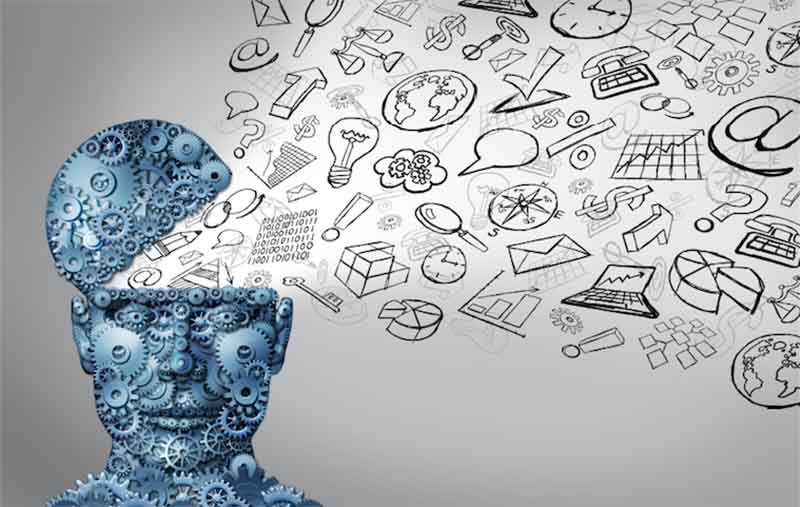
Nowadays, artificial intelligence (AI) has achieved what Alan Turing, considered as the father of informatics, proposed in the fifties of 20th century, when the British logician and mathematician outlined that the best way to programme intelligent machines would consist on building machines able to learn. What Turing foresaw was, as he himself pointed out, «a short distance ahead [of us]», because how much are barely a few decades in the flow of human history? Autonomous agents’ action field is so vast as human beings duties are, below we take a look at the history, the «psychology», the applications and the contradictions of this technology, also considered (along with the device mesh) as one of the industries of the future. From Aristotelian rationality concept to deep learning About two thousand four hundred years ago, in his Nichomachean Ethics, Aristotle declared that the honourable reason is the one that straightens outs to the perfect aim, and to behave according to the honourable reason means to act according to what is required to achieve the aim; this way the Greek philosopher broached a dissertation about the practical reasoning. The Macedonian assured that happiness is the aim or target where every human try to lead their acts to achieve it, happiness that consists of acting according to the perfect reason, since the best humankind has is the use of reason. Thus is understood the central role of action in intelligence, within the human existence frame. Since 1950, Alan Turing‘s theories and reflections, obviously jointly with the excel appearance of scientific advances, inspired the subsequent theoretical academics and scientists who were capable to materialise AI’s origin and development as scientific discipline within computing sciences field. In 1994, Peter Norvig y Stuart Russell defined the rational agent concept as «one that behaves as well as possible» in a specific environment, does what is right, gets the best results. And, as far as it concerns to AI, today’s stuff is deep learning, AI «is finally getting smart»: it is contemplated that new autonomous agents be able to understand human language and make both inferences and decisions, all by themselves. Autonomous agents’ «psychology» In AI context, Norvig and Russell define an agent as «anything that can be viewed as perceiving its environment through sensors and acting upon that environment through actuators [elements that react before stimulus, carry out an action in response]». It is considered as lacking of autonomy if «it relies more on the initial knowledge provided by its designer than on its own perceptions»; part of the autonomy resides in learning «what it can to compensate for partial or incorrect prior knowledge». The agent, beyond gathering information, learns everything that is possible from what it perceives: «The agent’s initial configuration could reflect some prior knowledge of the environment, but as the agent gains experience this may be modified and augmented». For his part, Jose C. Brustoloni (1991) tell us that autonomous agents are systems capable of acting in a self-sufficient manner within the real world and according to specific purposes: «… agents have drives (in a somewhat «psychological» sense), and devote their resources to satisfying these drives. In doing so, one can observe purpose in their actions […] there actually is a hierarchy of actions and goals in an agent, with drive satisfaction at the top. Actions and goals at one level exist only to accomplish goals at a higher level, and can generally be replaced by other actions and goals, which also would attain the higher level goal. At the bottom of this hierarchy are the primitive actions —the elementary actions directly supported by the architecture and from which more complex action are composed». Cortana gives up space battles and becomes your AI personal assistant Widely known among gamers community since its appearance in 2001 and fundamental part of Halo (Microsoft Studios‘ product), Cortana is a clever and vivacious AI that, at the beginning of the saga, takes on the role of assistant of this story’s main character, the Master Chief. Since the seventies decade, videogames like Pong, Pac-Man or Super Mario Bros implement AI, although carefully and selectively (since no player would think it is funny to deal with an unbeatable villain). In 2016, Tuebor‘s arrival to the market was announced, which promises to take videogames to the next level through AI. In 2014 Microsoft launched another Cortana, one which action field is not within Halo Universe reality but within ours. It is a digital agent and «She’ll help you get things done. The more you use Cortana, the more personalized your experience will be»; to this AI join others like Google’s Now and Assistant, Apple’s Siri, Amazon’s Alexa. Among the goodness of these assistants —which are [yet] way too far from the sensual, funny and intelligent Spike Jonze’s Samantha Morton— we find (as applicable): interacting with devices through voice, facilitating reminders related to moments, places or persons; tracking packages, equipment, interests and flights; sending e-mails and text messages; administrating your calendar and keep-up-to-date; creating and managing lists; chatting and playing games; finding facts, places and information; opening any app of your mobile device… Among the diverse curiosities you may find nowadays are: June Intelligent Oven, which detects what you have just put into the oven and suitably cooks it, without you having to worry about taking care of the process; Duolingo’s chatterbots, which help you to learn and to practice a language; Tesla Motors‘ autonomous cars; IBM’s Watson, «cognitive technology that can think like a human» and pretends to transform both industries and professions. Actually, as far as it concerns to the means and the areas in which these rational agents perform, they may be whichever, applications are vast, because as Brustoloni pointed out: «… if agents are tools, there is no reason why one can’t have lots of them, one for each purpose —much as we have hammers and screwdrivers and do not expect one to do the other’s job». The multiple dilemmas about thinking machines Can we really say machines
The device mesh of mobile devices, that ubiquitous, continuous and imperceptible AI that promises to make easier your daily life
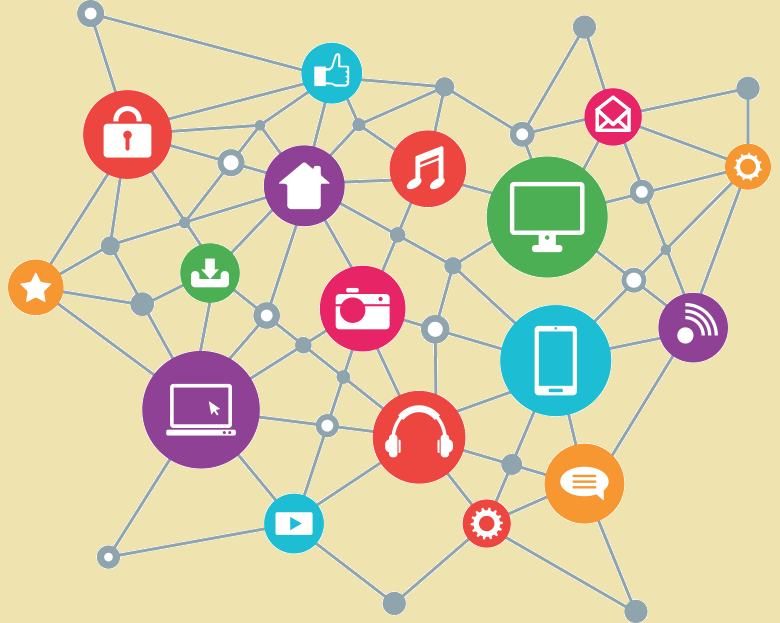
In 2016 we talked about technologies such as artificial intelligence, internet of things (IoT), 3D printing, wearables, big data, computational vision, user’s environmental experience, among other tendencies of the scientific-technological world. This #MdCTI —the first of 2017— we will address a technology that affects all the others mentioned above and is emerging as a watershed in the technological advances sphere. We are talking about the device mesh, identified by the prestigious consulting company Gartner as the main technology trend for 2016-2020. Why is it so important and how will this peculiar artificial intelligence (AI) affect your daily life? Well, because it will personalize the world for us and will put in our hands all the data we need in order to turn the decision making easier. Mobile applications won’t be the same: welcome to the post-mobile era! Nowadays we are used to an interaction centred in some mobile devices that, at most and thanks to the cloud, allows us to access to information we have generated or saved in it (multimedia, documents, contacts…). The device mesh pretends to change this: end-points (mobile devices, smartphones, electrical appliances, automobiles, IoT sensors in general and many other devices we use to access to information and applications) will revolve around the individual. All the end-points will be enabled so they can interact with each other, share information and be capable of present solutions and even make decisions by themselves based on the meticulous analysis of our behaviour (which devices we use, how, when, why…). The implications will range from forget if we must buy milk o when we should take the car to service, to even modify the treatment of a patient or warn and take precautions when he or she is in an early stage of a stroke or a heart attack. This evolution of the mobile era implies deploying the end-points, during the post-mobile era interactions user-machine and machine-machine will be given more sense. Commonly and on first instance, applications only interact with their own back-end system (the one that implements answers for what is initiated through what the end-points start), the mesh pretends all the end-points related with an user to interact between them, regardless whether they belong to the same back-end system or not. The highest interactivity of the network of devices will allow improving the user’s experience, it will increase the exchange of information and will optimize the work flow. Gartner points out that this new era will bring: «An evolving digital mesh of smart machines [that] will connect billions of things into a continuous digital experience». Personalized AI that will improve the user’s experience Gartner predicts that by 2018 there will be six billion of connected devices generating massive information (twenty-eight billions are predicted to 2021), and that is where both the IoT and the mesh come in, because they are presented as the solution to make this interconnected devices safer and also to make them smarter and receptive. «By configuring embedded devices to automatic design updates, network changes and application outlines, we can encourage machine learning, coordination and adaptability to cloud-based environments», they assure. According with Indusa: «Everything in the network of digital mesh produces, uses, and transmits information with the sole objective of upgrading the user experience standards», information that goes beyond the textual, visual and aural versions, because it includes sensorial and contextual. Through machine learning, the idea is to «create systems that can independently learn to perceive the situation and behave in an appropriate manner, directly reducing human intervention to minimalistic levels culminating a refined and sleek user experience». As these devices continue to collect more data (such as dreams patterns and the steps we make every day), they will continue getting more and more smart, thus providing a user experience more simple and efficient. Ubiquity + continuity + imperceptibly + AI = a world of possibilities It is projected that the increase in the number of these connection points will bring along a continuous and ubiquitous connectivity network or mesh around the individuals. It is a unique opportunity for professionals in different fields, as it empowers them to improve the services offered to their clients, like the organization and their employees‘ performance. It is projected that a mesh impact in fields such as: Electrical appliances. Making easier a computer architecture that supervise and monitor a server of domestic devices will make possible that the consumer establish off/on in a proper way, which will substantially help to save energy. Medical assistance. Inter-compatibility of medical devices will be auxiliary for remote monitoring of patients and safe access to medical records, in order to invigorate the health system sector in general. Traffic management. Intelligent traffic lights and control infrastructures will have the ability to take a look at real circumstances on their own. In fact, the autonomous management of intersections is a concept that makes vehicles smart enough to slow down or speed up according to the signals received from the sensors. Hotel and travel industry. The use of a coordinated flow between various devices (air conditioners, coffee makers…) will be a system that could react according to circumstances. Almost all determinant technologies for the years to come (pointed out by the Massachusetts Institute of Technology, the World Economic Forum or the International Consumer Electronics Show) have in common that they are composed or are helped by devices and continuously send and receive information through sensors or algorithms. In general, both wearables and virtual and augmented realities are signalled as great areas of development and emergence. But how to fit in the mesh without being victim of a cyber or market attack?! Now, given that we are talking about an emergent technology, it is not mature enough for its immediate massive implementation, these days the benefits are still outweighed by the risks, particularly in security and privacy matters. This paradigm of interconnection and interaction, by connecting a lot of devices, brings along management and security problems; both the information and the
Sinaloa students join the ALICE project
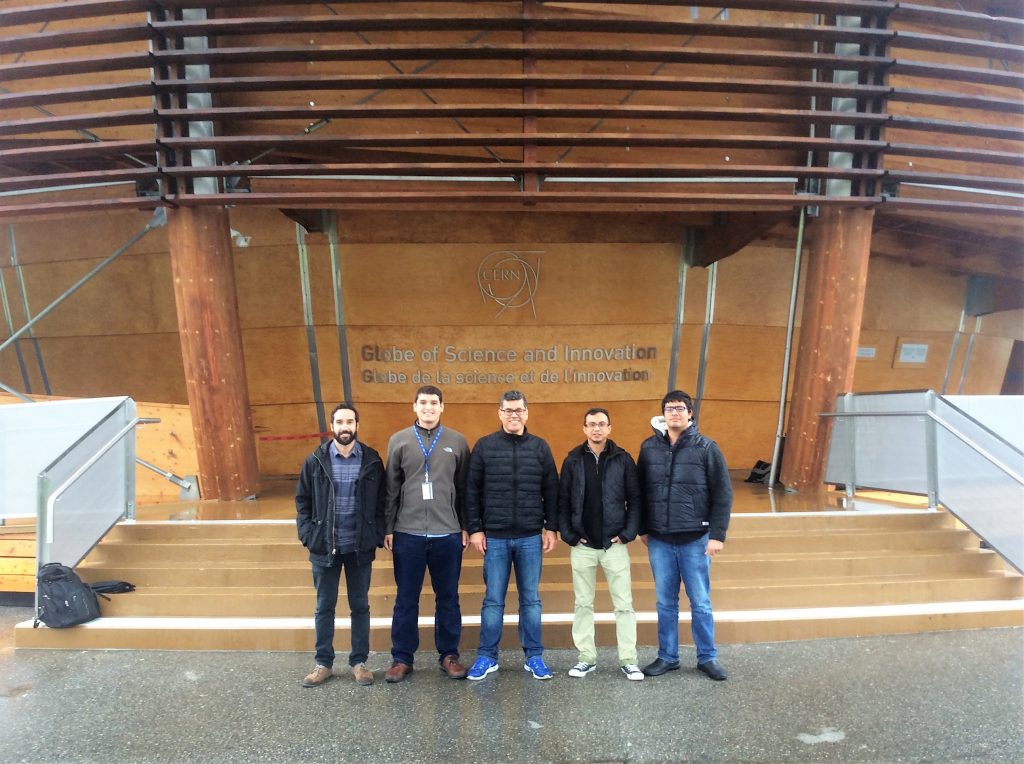
ALICE project of the Large Hadron Collider (LHC), belonging to the European Organization for Nuclear Research (CERN), in Switzerland, counts on contributions from young master and doctorate and undergraduate students. The project leader, PhD Ildefonso León Monzón, scientist of the Autonomous University of Sinaloa (UAS, Universidad Autónoma de Sinaloa) and level ll of the National System of Researchers (SNI, Sistema Nacional de Investigadores), commented that these young students are participating in electronics, data analysis, physics, software development, among others areas. He pointed out that the involvement of younger people is a strategy to integrate as much young and talented people as possible to large international projects, like ALICE. «I’m convinced that talent is everywhere and to give this opportunity to youngsters so they can integrate and take responsibility in the project. There are undergraduate youths, we will involve them since now, with very punctual tasks», he said. ALICE project The ALICE detector (A Large Ion Collider Experiment) was designed, built and operated for the collision of heavy ions, Mexicans participated, among them people from Sinaloa such as León Monzón. The objective of the experiment was to study the phenomena produced when thousands of particles collisions reproduce the conditions of the universe first moments. Among the main results of the ALICE project is the discovery of the liquid universe, previously thought to be gaseous. According to León Monzón, some students offer solutions to problems in this research. «In meetings about possible projects for 2022, there is a topic that requires of the detectors we have installed to see a process of the Higgs boson. It will be the first time that the creation of the Higgs boson with similar particles, more exotic, is seen, in the processes we call diffractive. There is where students, like Solangel, are involved», he said. The students Arturo Fernández Arturo Fernández Jaramillo is 30 years old, he is doing the doctorate at the Polytechnic University of Sinaloa (Upsin, Universidad Politécnica de Sinaloa). He is originally from Mazatlán and collaborates in the electronic part. «It is the first time I come to the experiment, but I have been in contact with PhD León for a year. I’m in charge of some electronic cards and to review designs to see if it is possible to improve them, because they acquire different phenomena within the experiment», he pointed out. Rafael Narcio Rafael Ángel Narcio Laveaga is from Mazatlán and is 21 years old, he is an undergraduate in the Upsin. He is participating in the data acquirement of some ALICE detectors. «It is necessary that young people get involved in these areas of research», he commented. Luis Torres Luis Fernando Torres Avitia was born in Culiacán, he is 21 years old and is a student in UAS. «I’m participating in the electronic part, in the analysis of some acquisition cards of data to see if they can be improved. We also support people in charge of making simulations of the experiment», he said. Solangel Rojas Solangel Rojas Torres is 28 years old, he is from Mazatlán and is a doctorate student in the Faculty of Physical-Mathematical Sciences of UAS. He has now been collaborating for two years and a half with CERN. «I participate since I was doing my master. Currently I work over data we obtained in a test of beams in the detector installed in the experiment. I work over the analysis of data of collisions in the experiment», he said. The level of participation Solangel Rojas has reached is elevated. According to León Monzón, Solangel is considered as the experiment’s «war horse». «He is practically in every activity. His main task is about the performance of the detector that UAS built in collaboration with Cinvestav. For the future, we plan that Solangel do a yearlong internship for the analysis of 2016 data. This is the level of responsibility that dictate the level of participation of different institutions», he announced. Another student involved in the project is Juan Carlos Cabanillas Noris, from the Faculty of Informatics of UAS, who develops software for the control of the detectors. Participation until 2022 Due to the contributions realized, the Sinaloa team managed to extend their participation until the year 2022, reason why the researcher considers necessary, in the state and country, to bet for the frontier sciences. «We have a plan and we have talked about it with the UAS and with colleagues from other institutions: Mexico requires the accelerators technology . If we want to aspire to high-level science, of last frontier, we need to be involved with frontier projects. We cannot aspire to be in the knowledge frontier without creating in the country projects with frontier science», he said. An accelerator for Sinaloa León Monzón said that the UAS aims to the creation of accelerator technology, that is why more high-level researchers are required. He announced that soon will be analysed the possibility of creating an accelerator for Sinaloa, for the benefit of agriculture. «Initially it is about having a proton accelerator, a lineal accelerator», he commented. Written by Janneth Aldecoa (Conacyt Informattive Agency), translated by Belem Ruiz (Edition and Communication, PIT-UAS).
User’s environmental experience: technological models to perceive other realities and to «augment» one’s own
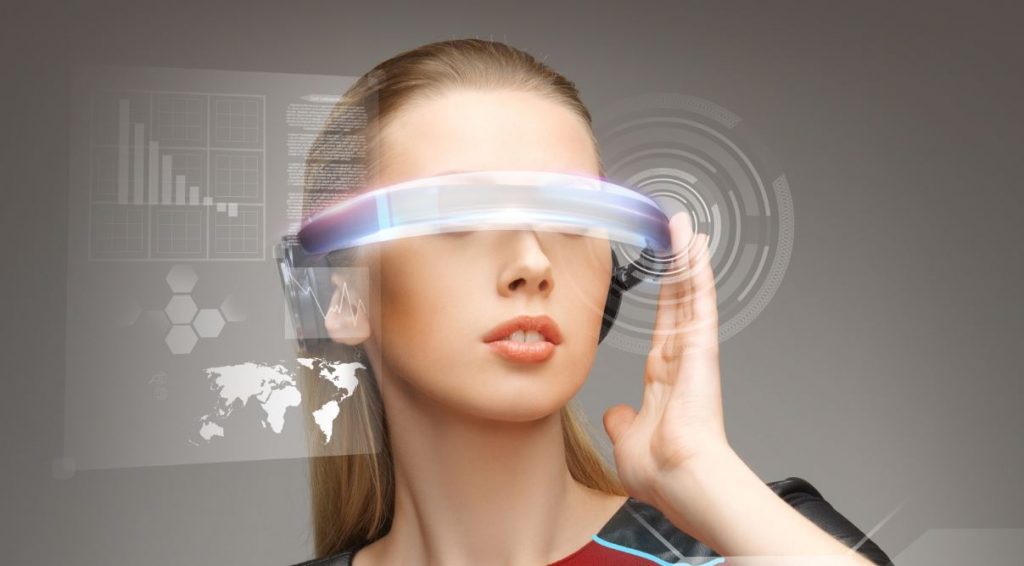
We live in a time in which the constant renewal of the models and products born from innovation become a main directional motor of the technological market tendencies. Among the suppliers assigned to the electronic industry of the market, some issues such as design outline and product manufacture, development of avant-garde electronic systems, monitoring of the consumers’ tendencies, among others, become fundamental. In short, we have built up the possibilities of recreating the extraordinary: open the doors to new worlds through virtual reality; we have come to the point where it is inconceivable to understand our contemporary life apart from the roots of technology. This way, when it comes to imagine an experience that fulfills the possible expectations of the user, the industry projects a constant renewal of the electronic products that are appearing in the market; this, with the firm purpose of not being left out of the technological innovation scene and the prevailing modernization. What is the user’s environmental experience? The electronic experts understand the «user’s environmental experience» as the result of the individual interaction with a network of technological devices that amplify the perception of a recreated reality from a virtual plane. From this renewing tool, concepts such as «virtual reality» or «augmented reality» have marked a growing tendency in the field of technological innovation. In this sense, we are starting witness a movement from the physical and real space into an essentially virtual perspective. What are virtual reality and augmented reality? Attending to this purpose, it is necessary to explain these two twinned concepts within the branches of computer science, concepts that help to efficiently understand the roots of the user’s environmental experience: Virtual reality. This is a computer model that generates images of special constructions simulated in real time. The visual illusion that can be developed by the individual plays an important role within this representation. At the same time, the construction of virtual scenes and the user’s ability to move inside this illusory space give a unique and unbeatable experience. In addition, virtual reality owns different applications within the field of cultural heritage reconstruction (through virtual restoration of ancient pieces for their proper study), medicine and anatomy (to elaborate efficient diagnostics based on the virtual simulation of the human body), as well in the simulation of extreme situations in order to treat patients with phobias, anxiety disorders, also in other proper physiologic studies. Augmented reality. It is the result of combining the real world vision with some virtual recreations framed within a computer procedure. Augmented reality can be found in videogames, three-dimensional projections (3D), virtual fitting rooms, among other interesting utilities. That way, its essential objective resides in offering a visual experience that transcend the everyday life plane. Utilities on sight within the user’s environmental experience Although some interactive properties to be develop within this technological tool have not yet been materialized, some specialists have projected future possible products and services in the work sphere and in entertainment that may be produce through an innovative conception. For this, marketing experts investigate possible viable paths in the design and manufacture of systems that promise this experience. Within the digital field, there is a mobile application under development, which is designed to allow users to watch TV shows and movies at the same time that offers the possibility to inform curiosities and facts about the film in real time. For their part, some private companies have looked to develop applications that monitor projects and interact with employees regarding tasks planning. It is even known that there are already in the market some models that give you the opportunity to transport the user to a virtual reality system from a mobile screen to specialized helmets of visual and auditory perception. Some university institutions have moved different resources in benefit of the research and manufacture of some of these technological objects. Purpose of the user’s environmental experience As far as it concerns to the user’s environmental experience, several key issues must be taken into account, such as the organization of space within the virtual recreation, the correct choice of elements put into play within the visual simulation that help to wake up sensation in the individual, also the aesthetic conception of the computer system. Thus, the user will be able to enjoy a nice experience within the new framework of innovation. In conclusion, the user’s environmental experience recognizes new facets in the observation of our real environment: it allows to explore figuratively inhospitable grounds from the comfort of home. At the same time, offers a superior degree of interaction with the innovation of virtual reality. Summed up, environmental experience is an innovative computer window to new worlds. Written by Andrés Márquez (Communication and Diffusion, PIT-UAS), translated by Belem Ruiz (Edition and Communication, PIT-UAS).
The third mission of universities, key strategy to materialize the society of knowledge
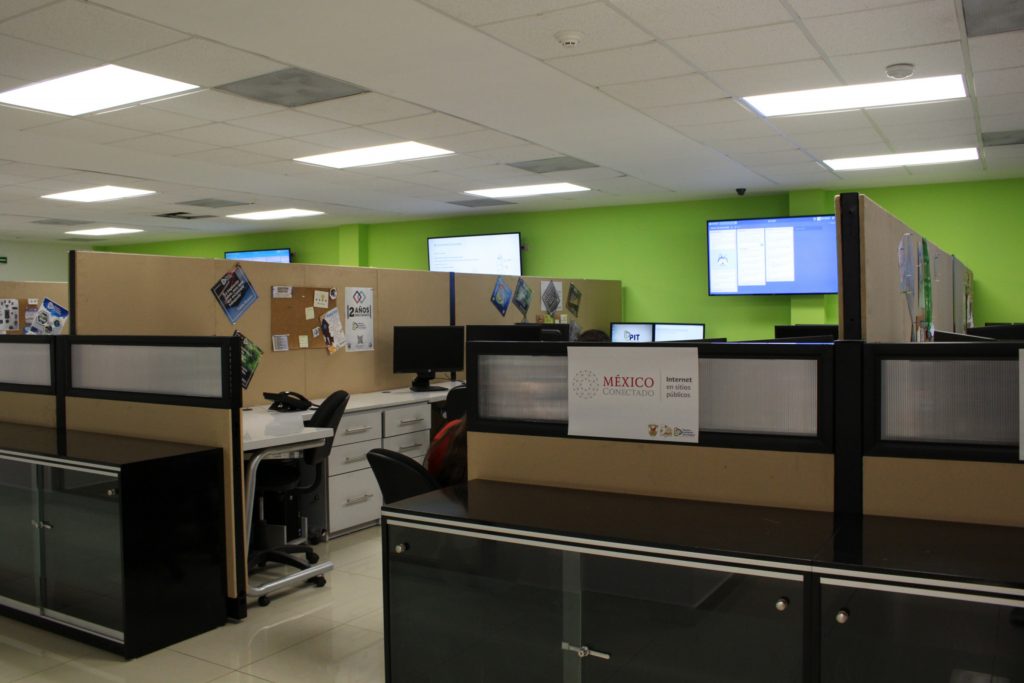
In our current times, generating the correct perception and diffusion of knowledge within university environments becomes fundamental to conceive a notable economic value in the market system. In the 20th century, academic and scientific outlooks have become even more competitive. The new projects and researches belonging to universities require the conjunction of corporations and public bodies that enhances their relevance and pertinence to society. In this sense, higher education institutions have started from a series of main points that promote effective collaboration in the different spheres of the scientific and professional tasks. Thus, we understand that there are three fundamental missions moving universities: teaching (the most elemental one since its establishment), research (gather informations and discoveries for the benefit of the knowledge opening) and, recently, the third mission (that stands up for boosting professional projects in the industrial and corporate areas). How is the third mission of universities born? One of the firsts characteristics that discerns an origin of the actual third mission of universities is found in Mission of the university, an essay published in 1930 by the Spanish philosopher José Ortega y Gasset. This text reflects about the obligations a proper higher education institution must maintain in order to consider itself as such . In a text passage, Ortega y Gasset comments: «Higher education consists, therefore, of professionalism and research. […] Is surprising, therefore, that professional education, which is for everyone, and research, which is for very few, appear fused. But that the matter remain quiet for a few minutes. Isn’t the higher education more than professionalism and research?». This way, the Spanish philosopher implicitly points to a lack —generated between professionalism and research— that obliges us to imagine a third way that efficiently conjoin the necessities of a changing society and the socioeconomic utilities of knowledge. Even, one of the final commentaries of Ortega y Gasset in this text surprises: «The university must be also open to the present day; even more: it has to be in the middle of it, submerge itself to it». Sometime later, around the 1990’s (at the end of the 20th century), in some circles of modern society belonging to the European community is initiated a movement of critic reflection on the role of universities and other specialized institutions. This way, some international organizations begin to develop new strategies for an efficient relation between the productive class and the knowledge elite. Hence is born the original idea of what later would be known as the third mission, which is divided into three main axis: entrepreneurship, innovation and social commitment. Approaches of the third mission of universities The third mission is understood as a group of strategies that seek to entirely submerge —Ortega y Gasset dixit— in technology and innovation areas. There have been proposed three essential approaches that help to sustain a defined field of action ranging from university institutions to public and private organizations. This agents may satisfactorily relate based on these three basic premises mentioned above. Entrepreneurship. This is one of the activities that have generated more recognition within the third mission perspectives. Entrepreneurship is about directing universities’ economic resources students’ and teachers’ projects that —with proper professional and academic instruction— generate products and services useful to society. This way, entrepreneurship is in charge of commercialize the technology made at research and higher education institutions; its essential purpose resides in a new reorganization of the university budget. Thus, entrepreneurship techniques encourage a strategic distribution of funds that allow developing profitable and necessary projects. Innovation. On the other side, innovation is an instrument that expressly provides a way for universities to develop original products and services in the field of science and technology. Innovation is born of the conjunction between research and knowledge. From these two tools found at the university entities, students and researchers can jointly work in projects that reflect new perspectives of use within the social area, as well as innovate in the present market necessities that prevail in modern society. Thus, the third mission needs innovation for its practical purposes: today, the progressive advance of the information technologies moves university and formative institutions in their purpose of offering new ways of doing research and producing in the scientific field. Social commitment. It is also found within some of the elemental values of the third mission, a fundamental requirement of the international community in the promotion of a worthwhile bilateral relation between the specialized scientific community and the social environment necessities. This approach aims to generate a more accurate connection of society in discoveries and research belonging to higher education institutions. Universities are also committed to offer and adjust their findings and initiatives to the appropriate public and private institutions, in order to develop conjoint projects that generate a favorable change in the necessities of the collective environment. The purpose of the third mission Based on these premises, creating and adapting the third mission in the international community reflects an evident progress of the apprehension of technological tools in universities: institutions that communicate and transfer the knowledge with the purpose of positively observe and act facing the requirements of society. In conclusion, the future success of the third mission may will be conceived in the degree of integration generated from university entities to governments and public organisms that are ready to be in the search of what knowledge carriers offer. Written by Andrés Márquez (Communication and Diffusion, PIT-UAS), translated by Belem Ruiz (Edition and Communication, PIT-UAS).
Multidisciplinarity, conjunction of disciplines for the benefit of innovation
As the progress of science and the technological areas become palpable in our daily life, it turns easy to conceive that human knowledge take formidably high flights for the benefit of an elevated understanding of nature and its phenomena. Hence, we observe in our present a society that —thanks to science and technology advances— can discover itself and at the same time progressively conquer a whole collection of knowledge at the service of the community. This is why during the last years the academic field has proposed new strategies that strengthen bonds between the studies varieties understood by human beings. In this sense, scientific community has owned a variety of ideologies that explain the inherent relation between one and several disciplines. Particularly, this is where transdisciplinarity, interdisciplinarity and multidisciplinarity were born. This last one (the one we will mainly be talking about) can be understood as a combination of a set of specialized knowledge that allows attending to certain ideas and similar explorations between classified knowledge, without abandoning or mixing the proper methodologies of each discipline. That is to say, the multidisciplinarity conceives a series of related paths to an established paradigm and that jointly progress in the search of new discoveries. What are «discipline» and «multidisciplinary focus»? First, it is necessary to explain the meaning of this two terms, as a basis to understand better what will be exposed below. In first instance, what we call «discipline» is understood as a set of knowledge that belong to an organizational condition, meaning that they are limits to a specific field of study according to its basic and general principles. For example, a discipline as well-known as biology is responsible to study everything related to the living beings and their respective biological processes found in nature. On the other hand, a «multidisciplinary focus» can be understood as an investigative orientation that pretends —in a manner of speaking— to address their object of study from different focus of attention; this is where the different required disciplines assume an important paper developing a convenient methodology, as well as carrying any related project to the scientific or academic field to a satisfactory conclusion. First notions of multidisciplinarity In the past 20th century, some intellectuals and academics started to elucidate and to reflect on the relationship between different disciplines in pursuit of the technological advances and mass media. Also, this scholars awoke some expectations by predicting a new academic order: a society that denied a unilateral path (accepted several centuries ago) to access to the deep knowledge, roam globally the scientific and humanistic knowledge in favor of a panoramic understanding of inquiries and the own paradigms of reason. The Canadian philosopher Marshall McLuhan related the alliance between the technological advance and the human knowledge when he was writing his book Understanding Media: «Rapidly, we approach the final phase of the extensions of man —the technological simulation of consciousness—, when the creative process of knowing will be collectively and corporately extended to the whole of human society, much as we have already extended our senses and our nerves by the various media». Thus, this is how the recent global scope of the informative media generates a suitable assembly for the multidisciplinary treatment between the different branches of science and humanities. Likewise, other intellectual enthusiasts this phenomenon have reflected about the nature of said interconnection between the disciplines through similar concepts. This way, the French psychologist Jean Piaget talked about transdisciplinarity as a convenient union between different disciplines with the purpose of hooking the scattered knowledge, thus generating an integration of knowledge. So too, the French thinker Edgar Morin confers to indersciplinarity the quality of space were different specialized knowledge is introduced with the purpose of articulate a specific intention in a research task. Morin explains it as an analogy: «The interdisciplinarity might purely and simply mean that different disciplines sit in the same table, the same assembly, as different nations gather at the UN without doing other thing than affirm each one their own national rights and their own sovereignty in relation to the usurpations of the neighbor». Multidisciplinarity within innovation As we have recently known, the new projects related to the technical and specialized area increasingly require a coalition of the different branches of science and social studies. It is thus that the technological advances are assumed as a conjunction of multiple working and research procedures in favor of the elaboration of original and innovative services and products. In view of this new and fructiferous outlook, it is still necessary promoting largely the benefits inherent to multidisciplinary-focused projects development in educative and scientific institutions outside the vanguard of innovation and creativity. We can find different cases exemplified in which multidisciplinarity and its respective twined conceptions (transdisciplinarity and interdisciplinarity) become palpable in our daily life. When we visit a hospital, we find a great number of specialists in different areas of medicine: cardiologists, neurologists, endocrinologists, among others can work together the case of an individual with diabetes. Even, laboratories perform their functions from their complicity between biologists, chemists and, to a lesser extent, physical-mathematicians. In new and innovative spaces, such as highly specialized workshops, it is required the collaboration of computer scientists and specialized researchers in the technological area to carry out projects that promote creativity and innovation. This turns multidisciplinarity into a seedbed of future advances and improvements in different fields such as health, quality of life, technological market, ecological preservation, among other issues. This way, in a society that has started to be characterized by a quick model of development and an unmeasured conjunction of tasks —at individual and institutional levels—, it becomes important to consider the association between sciences and social disciplines to properly conceive those projects related with innovation and technology. If such purpose is achieved, we will be able to kindly address and coexist in a socialized and avant-gardist world. Written by Andrés Márquez (Communication and Diffusion, PIT-UAS), translated by Belem Ruiz (Edition and Diffusion, PIT-UAS).
University and CIAD staff teach course-workshop about the use of computer tools for the analysis of genomic data
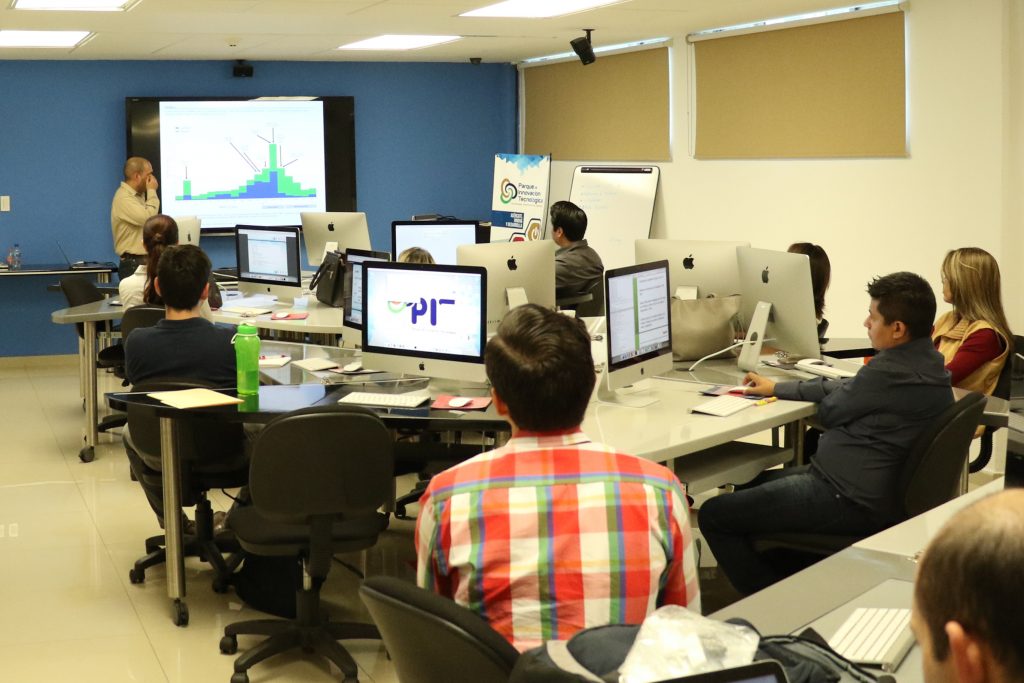
With the presence of a multidisciplinary group composed of 17 attendees, students and researchers belonging to areas like biology, computer science and comparative genomics, the course-workshop Informatic Tools for the Analysis of Genomic Data was held, on November 28 and 29, at the facilities of the Technological Innovation Park (PIT, Parque de Innovación Tecnológica) of the Autonomous University of Sinaloa (UAS, Universidad Autónoma de Sinaloa). The course’s objective was equipping the participants with cutting-edge knowledge for the analysis of massive sequencing technology data, using specialized software to generate genomic assemblies, which are later analyzed for their application with specific purposes of comparative genomics. Throughout the course-workshop different topics were seen, such as: Unix and Linux generalities, basic principles of Shell, Shell Prompt, Shell environment and its variables, file system, among others. The lectures were given by instructors of the Faculty of Informatics Culiacán and the Faculty of Chemical and Biological Sciences of the UAS, also the Research Centre for Food and Development (CIAD, Centro de Investigación en Alimentación y Desarrollo) and the PIT-UAS (through its Engineering and Data Science Laboratory). The event was closed and the participation certificates were handed over by the general director of the PIT-UAS, MBA José Ramón López Arellano, the leader of the PIT-UAS’ Engineering and Data Science Laboratory, PhD Inés Fernando Vega López, also PhD Cristobal Chaidez Quiroz, director of the National Laboratory for Alimentary Innocuity Research (Laniia, Laboratorio Nacional para la Investigación en Inocuidad Alimentaria). PhD Vega said: «… with this collaboration, the PIT-UAS joins Conacyt’s initiative called National Laboratories… Laniia invites us to participate… understanding that to guarantee the innocuity on food it is necessary to understand the biological polluters that affect them». For his part, PhD Chaidez said that this course «… complements an area of knowledge that we hadn’t been able to integrate, which is informatics. We are from the biological area and we form the informatics area to work in the bioinformatics area, applied to agricultural problems that affect Sinaloa». Lastly, it is important to mention that two previous courses were held (November 2015 and August 2016), with the participations of professors of different institutions, such as UAS and the British University of Bath, as well as the CIAD. This edition is part of the follow-up of the activities dedicated to the integration of the Bioinformatics Laboratory at the PIT-UAS, also for the development of different projects in the area. Written by Moroni Arellano (Communication and Diffusion, PIT-UAS), translated by Belem Ruiz (Edition and Communication, PIT-UAS).