Emprendimiento estudiantil, el osado proceso de aprender a pensar fuera de la caja

Cuando hablamos de emprendimiento —que no emprendurismo ni emprendedurismo ni tampoco emprendeduría— pensamos en osados y creativos individuos que, por muy difícil o prácticamente imposible que parezca, logran tener éxito en el desarrollo de sus ideas al llevarlas satisfactoriamente a los mercados económicos. Y entre estas personas probablemente uno de los más famosos emprendedores de los últimos tiempos sea Steve Jobs (millonario a los 26 años). Al director ejecutivo de Apple debemos agradecer su visionaria intuición de mercado, que contribuyó en gran medida a que las monstruosas e inaccesibles computadoras de los setentas se convirtieran en las hoy tan imprescindibles y versátiles computadoras personales que podemos encontrar en muchos hogares y oficinas. Actualmente es difícil no escuchar sobre el emprendimiento, existen instituciones, revistas, canales de YouTube y otras redes sociales dedicados a propagar dicha estrategia de desarrollo económico y forma de vida; incluso hay programas de educación básica que forman a los pequeños según la llamada educación en emprendimiento (EE). ¿Pero cuándo y dónde se aprende a ser un estudiante emprendedor?, ¿qué tan efectivo es orientar los programas educativos hacia la formación de una cultura emprendedora?, ¿qué importancia tiene para la sociedad que haya emprendedores? Éstas y otras cuestiones son las que abordaremos este Miércoles de Ciencia Tecnología e Innovación. La educación en emprendimiento antes de la universidad Ante los significativos cambios traídos por la globalización y los imperativos de la economía basada en el conocimiento (EBC), en 2000 la Unión Europea (UE) planteó un plan de acción conocido como la Agenda de Lisboa, donde se recogían lineamientos encaminados a adaptarse a la nueva realidad global y a convertirse en la EBC «más competitiva y dinámica del mundo, capaz de crecer económicamente de manera sostenible con más y mejores empleos y con mayor cohesión social». Cobraron así importancia político-económica tanto el emprendimiento como la EE. En países como Alemania surgieron iniciativas orientadas a inculcarles a los estudiantes universitarios el autoempleo como una alternativa vocacional, en vista del difícil y estrecho panorama laboral nacional e internacional. En México, recientemente se ha comenzado a jugar incluso con la noción de implementar experiencias educativas para trabajar temas de emprendimiento con niños de nivel básico; estrategia que ya se había trabajado antes en otros lugares del mundo. A inicios de la primera década del siglo XXI existía muy poca investigación rigurosa sobre sus efectos, no obstante investigadores y educadores ensalzaban abiertamente los supuestos beneficios de la EE. Pero ya desde entonces se reconocía el deseo de participar en programas de EE expresado por estudiantes de educación primaria y secundaria; incluso había quienes sostenían que eran precisamente los años de infancia y adolescencia los mejores para fomentar una actitud positiva hacia el emprendimiento. Así y todo, un estudio de 2003 reveló que estudiantes australianos de educación media estaban más preocupados por cómo dirigir sus estudios y experiencias laborales que por la factibilidad de convertirse en autoempleados, dado que percibían el iniciar su propia empresa como algo aún muy remoto. Los retos para fomentar la cultura emprendedora en la universidad Por lo que respecta a la educación superior, de acuerdo con la Encuesta Global Universitaria del Espíritu Emprendedor Estudiantil (Global University Entrepreneurial Spirit Student’s Survey, GUESSS): se perciben más intenciones emprendedoras en hombres que en mujeres; tener un contexto familiar emprendedor fomenta dicha ideología en el estudiante; entre los motivos personales para emprender destacan (en orden de importancia) realizar un sueño propio, tener un trabajo apasionante, libertad e independencia, así como el poder crear algo. Cuestión de suma importancia es que, a lo largo del reporte, se hacen evidentes las diferencias entre países desarrollados y naciones en vías de desarrollo, por ejemplo: en los primeros se da menos importancia a la realización de un sueño propio, en tanto que los segundos son los menos preocupados por el riesgo implícito en el emprendimiento. En la mayoría de las instituciones de educación superior cuyos estudiantes fueron encuestados para la GUESSS, los resultados sugieren que el nivel y la presencia de la cultura emprendedora en las universidades son insuficientes, ya sea por la falta de fomento y apoyo de la propia institución educativa o por el desinterés del estudiantado. En el caso particular de países como México, no sólo es cuestión de falta de visión o formación de los propios maestros y directivos, sino que además debe hacerse frente a la falta de recursos. Es decir, vivimos en sociedades cuya gran mayoría de estudiantes universitarios sigue limitándose (o bien, siendo deliberadamente limitada) a roles sumamente tradicionales, ya sea por la misma naturaleza de sus elecciones de carrera o a causa de barreras ideológicas y presupuestales. El lado social del emprendimiento estudiantil, más allá del afán de lucrar A nivel mundial existen casos de éxito como el de los jóvenes estadounidenses Jonathan Goldman y Ava Anderson, millonarios antes de los treinta años de edad; él es fundador de Quantum Networks, compañía de mercadotecnia especializada en el comercio electrónico; ella, fundadora de Pure Haven Essentials, comercio electrónico dedicado a la venta de productos orgánicos para el cuidado personal y el hogar. También está el caso del joven mexicano Carlos Camacho, fundador de Ecoshell, empresa dedicada a la fabricación de empaques biodegradables. Pero no todo en el mundo del emprendimiento se trata de volverse millonario, también se puede «pensar fuera de la caja» para beneficio de la sociedad. A World of Good es una organización híbrida que busca contribuir a la reducción de la pobreza mundial a través de canales de mercadeo minorista. BlinkNow reúne fondos para la casa hogar, la escuela, la clínica, el centro para empoderar mujeres y las diversas actividades para educación sobre sustentabilidad ambiental del proyecto nodal Kopila Valley (Nepal). The Future Project asiste, ofrece cursos y aplica técnicas culturales a fin de ayudar a fomentar tanto la voluntad como las habilidades de preparatorianos y mejorar la cultura de su escuela (Estados Unidos). Por mencionar apenas algunas de las muchísimas organizaciones sin fines de lucro que iniciaron a manos de estudiantes emprendedores. Entonces, ¿emprender o no emprender?
Lira Saldívar: «Traditional agriculture is pollutant and not sustainable»
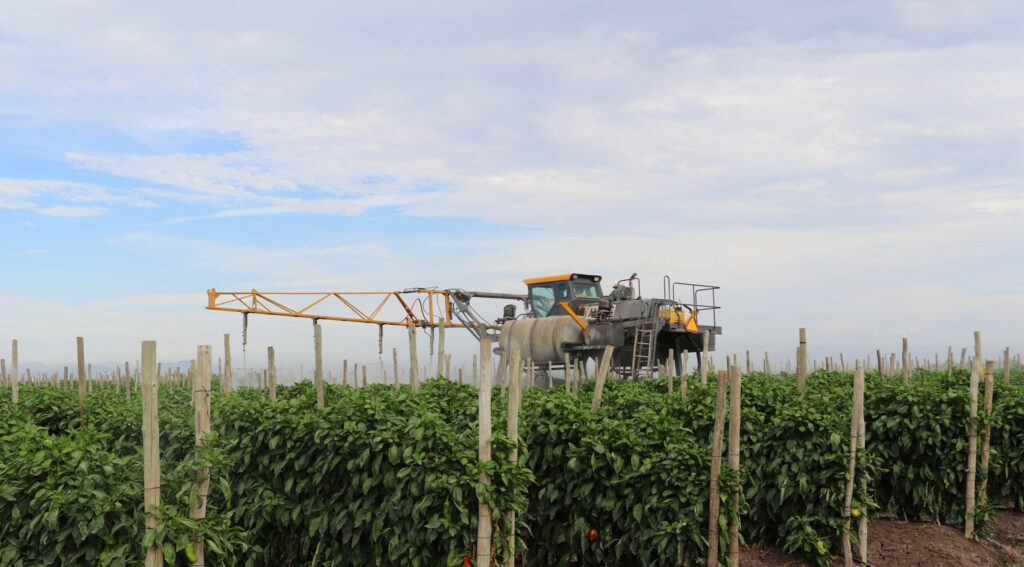
The Mexican scientist assures that agro-nanotechnology can help avoiding environmental havocs proper to traditional agriculture In October of 2016, within the framework of the first Science, Technology and Innovation Camp (TechnoCamp) edition, Ricardo Hugo Lira Saldívar, speaker at the event, talked with us about his researches’ results related to the agro-nanotechnology, applied discipline that stands for the usage of nanoparticles in agricultural crops. «Agro-nanotechnology is a new research line worldwide. This derives from nanotechnology in general. Nanotechnology […] is having an impact on all phases of the human knowledge», contextualised the academic. Likewise, Lira Saldívar argued that, precisely because it is a study field recently took into agriculture, there are still endless application possibilities to be discovered. Among the benefits of applying this novel method outstands the fact that it allows to conceive a sustainable agriculture and free of pollutant agents. «This is a great opportunity, to work with these nanoparticles, because, on one hand, they offer you the possibility of promoting the plants’ growth, improving their development and using really small amounts, in comparison with [the quantities of] fertilisers and nutrients used in traditional agriculture», the researcher explained. The Mexican scientist commented about nanoparticles compatibility when put into action for crop plants growth. «Metallic nanoparticles —with which I am working— have a very important function in cultivated plants; because iron, zinc, copper… are micronutrients of the plants», the doctor in Ecology specified. He also talked with us about other advantages found in different agro-nanotechnology practices: «In agriculture, nanoparticles have a double function. On one hand, they act as nutrients of plants and, on the other hand, these same metals I am using have an antimicrobial effect». In addition, the agro-nanotechnologist gave his opinion on detrimental consequences of the practices carried out in traditional agriculture. «Many of the nitrogen fertilisers applied transform into nitrates; nitrates result to be poisonous for humans and animals; and once they get to subterranean aquifers, water wells and lagoons, they can cause pollution», he pointed out. As far as it concerns to nanoparticles, just minimal doses of the substances are required for crops duty; contrary to traditional fertilisers, of which excessive quantities are used in traditional agriculture practices, what turns it pollutant and not sustainable. Ricardo Hugo Lira Saldívar studied Agronomy engineering at the Antononio Narro Agrarian Autonomous University, located in Saltillo (Coahuila, Mexico), he obtained a master in Water se and Conservation by the Graduates Programme belonging to the Monterrey Institute of Technology and Higher Education (Nuevo León, Mexico) and he has a PhD in Ecology by the U. S. University of California. TechnoCamp 2016 had place on September 29th and 30th, it gathered over five hundred attendees to the conferences imparted at the Culiacán Academic Tower of the Autonomous University of Sinaloa (UAS, Universidad Autónoma de Sinaloa) during its first day and, product of the 10 Challenge, during six weeks five youth talents developed their project called Seeds-Flux Sensor for Traditional Sowings to Obtain Greater Precision in Agricultural Consumables Distribution, with institutional economic support at the facilities of UAS’ Technological Innovation Park. Andrés Márquez (Communication and Diffusion, PIT-UAS), translated by Belem Ruiz (Edition and Communication, PIT-UAS).
Lira Saldívar: «La agricultura tradicional es contaminante y no sustentable»
El científico mexicano asegura que la agronanotecnología puede ayudar a evitar los estragos ambientales propios de la agricultura tradicional En octubre de 2016, dentro del marco de la primera edición del Campamento de Ciencia, Tecnología e Innovación (TecnoCamp), Ricardo Hugo Lira Saldívar, conferencista del evento, habló con nosotros sobre los hallazgos en sus investigaciones relacionadas al campo de la agronanotecnología, disciplina aplicada que aboga por la utilización de nanopartículas en cultivos agrícolas. «La agronanotecnología es una nueva línea de investigación a nivel mundial. Esto se deriva de la nanotecnología en general. La nanotecnología […] está incidiendo en todas las fases del conocimiento humano», contextualizó el académico. Asimismo, Lira Saldívar argumentó que, precisamente por ser un campo de estudio recientemente llevado a la agricultura, aún quedan por descubrir innumerables posibilidades de aplicación. Entre los beneficios de aplicar este novedoso método destaca el hecho de que permite concebir una agricultura sustentable y libre de agentes contaminantes. «Es una gran oportunidad, trabajar con esas nanopartículas, porque, por un lado, te ofrecen la posibilidad de promover el crecimiento de las plantas, mejorar su desarrollo y utilizando muy pequeñas cantidades, en comparación [con las cantidades de] fertilizantes y nutrientes que se utilizan en la agricultura tradicional», explicó el investigador. El científico mexicano comentó la compatibilidad de las nanopartículas al ser puestas en acción para el crecimiento de las plantas de cultivo. «Las nanopartículas metálicas —con las cuales estoy trabajando— tienen una función muy importante en las plantas cultivadas; porque el fierro, el zinc, el cobre… son micronutrientes de las plantas», precisó el doctor en Ecología. También nos habló de otras ventajas encontradas en las distintas prácticas de la agronanotecnología: «En la agricultura, las nanopartículas tienen una doble función. Por un lado, actúan como nutrientes de las plantas y, por otro lado, estos mismos metales que estoy utilizando tienen un efecto antimicrobiano». Por otra parte, el agronanotecnólogo se dio la oportunidad de opinar sobre las consecuencias perjudiciales de las prácticas realizadas en la agricultura tradicional. «Muchos de los fertilizantes de nitrógeno que se aplican se transforman en nitratos; los nitratos resultan ser venenosos para los humanos y los animales; y, una vez que llegan a los acuíferos subterráneos, los pozos de agua y las lagunas, pueden provocar contaminación», señaló. En cuanto a las nanopartículas, sólo se requieren dosis mínimas de las sustancias para las labores de cultivo; contrario a los fertilizantes tradicionales, de los cuales se usan cantidades excesivas en las prácticas de la agricultura tradicional, lo que la vuelve contaminante y no sustentable. Ricardo Hugo Lira Saldívar estudió la Ingeniería en Agronomía en la Universidad Autónoma Agraria Antonio Narro, ubicada en Saltillo (Coahuila), obtuvo la maestría en Uso y Conservación del Agua por el Programa de Graduados del Instituto Tecnológico y de Estudios Superiores de Monterrey y es doctor en Ecología por la estadounidense Universidad de California. El TecnoCamp 2016 tuvo lugar los días 29 y 30 de septiembre, reunió a más de quinientos asistentes a las ponencias impartidas en la Torre Académica Culiacán de la Universidad Autónoma de Sinaloa (UAS) durante su primer día y, producto del Reto 10, durante seis semanas cinco jóvenes talentos desarrollaron su proyecto denominado Sensor de Flujo de Semillas en Sembrados Tradicionales para una Mayor Precisión en la Distribución de Insumos Agrícolas con apoyo económico institucional en las instalaciones del Parque de Innovación Tecnológica de la UAS. Andrés Márquez (Comunicación y Difusión, PIT-UAS)
Mobile applications: a tool to upgrade efficiency or to increase procrastination?

In 1973 the British Martin Cooper materialised an idea that had been lurking within his head since he was a child: the invention of a mobile phone. Soon, what begun with a call from a cell phone prototype in a street of New York city, became a success worldwide, to such extent that nowadays over the half or world’s population has one of these devices, which little by little were adding other uses and functions to their original role of just making and receiving calls. Bu the nineties, as you might well remember if you had a cell phone in those years, Snake was a game that achieved to make funnier the long or short waits of those privileged who had such technology; the game was simple: guiding the snake aaall over the —minuscule— cell phone screen in its search for food, avoiding the little animal from crashing against its own tail, which grew with each new ingested bite. Well, this simple but entertaining game that now we recall with nostalgia was the beginning of mobile applications or apps. Currently, technological advances are so big that the progress in this field within information and communications sciences is increasing. This is a technology that came to stay and is continuously revolutionising the way we interact with our own surroundings and with those who surround us. Which is why this Wednesday of STI we present you some data on history, innovation and uses of mobile apps throughout their evolution. From the predetermined and most basic to the hyper-personalised and sophisticated An app is a software developed to carry out the functions to which it was developed for, and to be executed in mobile devices like cell phones, portable music players, global positioning systems (GPS), tablet computers, digital cameras, etcetera. The beginnings of this technology came up in the nineties when feature phones counted on their first apps, focused on improving the user’s productivity: alarm clock, calendars, calculators and e-mail; those first apps met basic and elementary functions, in addition to have a pretty simple design. The first great chance experimented by this technology occurred in 2007, with Apple’s iPhone appearance; such innovative device got into the market to generate new business models, improved the available tools designers and programmers had to develop apps, which facilitated the duty of producing an app and turned these into something more profitable for developers and the market. A prove of this is the appearance of specialised online shops, like App Store (Apple), Google Play (Android) and Windows Phone Store (Nokia and others), where we find: free software, this is, a free download that gives to the enterprise the possibility of obtaining money though publicity showed to the user; apps which download has a cost; as well the freemium, that you can freely download for a basic and limited used, with the option of receiving more advanced functions if you pay for them. Let’s get technical: apps types With regard to the different mobile apps types, below we present you the three existent perspectives for development: one native and two multiplatform (web and hybrid). Native apps. Specifically developed to be executed in a particular type of device and its operative system. Their main advantage is the opportunity to access to the device’s functions like camera, GPS, appointment scheduling, messaging; also, some of these can be used without internet access. Although, by being specific for an operative system, if you wish to cover various platforms, an app must be generated for each one of them, which implies a higher development cost. Web apps. Designed to be executed in servers and displayed in the mobiles device’s browser; developed in HTML, Java Script and CSS, the same technology used to create websites. These from the fact that devices do not need the installation of some component, neither a manufacturer’s approval to be published. There is a detail, though: it is obligatory having access to internet, which might become into a difficulty due to connectivity problems; and, different form natives, in web apps it is not possible to use hardware elements of the device. Hybrid apps. Developed with web technology and executed in a web container on the mobile device; these are the perfect combination of the aforementioned types: hybrids use multiplatforms like HTML, Java Script and CSS, and have access to some specific features of the device. The main advantages are the availability in different apps stores and the code reuse for multiple platforms. However, using the same interface for all platforms implies that the hybrid app’s appearance will not be as a native’s. The diverse action fields: from the most banal to the most vital At the beginning, mobile apps were invented to improve personal productivity, but nowadays, thanks to the arrival of smartphones, we find truly various action areas, with uses that undoubtedly have come to improve the lives of those who use them. Below we expose you some big areas: Games. These have as aim the user’s amusement. There we have the Angry Birds case, which was one of the first apps in the market; and one of the most recent ones in this sphere, which had a categorical success in 2016, Pokémon Go, a mobile app that resorts to augmented reality. Social networks. These focus on communication among users, facilitate and provide the interaction among theme. Some of which have caused frenzy are Facebook, Snapchat, Instagram, Twitter… Management. Related to the entrepreneurial sector, these seek to solve specific problems and task execution. For example: Tempo (smart calendar to set meetings dates), Trello (tasks management or labour projects) and Mindly (to organise and structure a project). Educative and informative. These are used to transmit knowledge or news, they privilege the access to content. Outstand: Duolingo (to learn languages), Writefull (assistant to write in English), CNN and Flipboard (to be up to date on what happens in the world). Creation. These give free reign to creativity, allow to edit videos and photographs, produce sounds or write. Such
Aplicaciones móviles: ¿herramienta para mejorar la eficiencia o para aumentar la procrastinación?

En 1973 el inglés Martin Cooper materializó una idea que rondaba en su cabeza desde que era un niño: la invención de un teléfono móvil. Pronto, lo que inició con una llamada desde un prototipo de celular en una calle de la ciudad de Nueva York, se convirtió en un éxito a nivel mundial, a tal grado que hoy en día más de la mitad de la población mundial cuenta con un aparato de estos, que poco a poco fueron sumando otros usos y funciones a su rol original de sólo hacer y recibir llamadas. Ya para los noventas, como bien recordarás si tuviste un teléfono celular en esos años, Snake fue un juego que logró hacer más divertidas las esperas (largas o cortas) de muchas personas (las privilegiadas que contaban con dicha tecnología); el juego era sencillo: guiar a la serpiente por toooda la —minúscula— pantalla del celular en su búsqueda de comida sin que el animalito chocara contra su propia cola, que crecía con cada nuevo bocado ingerido. Pues bien, ese sencillo pero entretenido juego que ahora recordamos con nostalgia fue el inicio de las aplicaciones móviles. Hoy en día, son tan grandes los avances tecnológicos que el progreso en este rubro dentro de las ciencias de la información y las comunicaciones es cada vez es mayor. Se trata de una tecnología que llegó para quedarse y que continuamente está revolucionando la manera en que interactuamos con nuestro entorno y con quienes nos rodean. Es por ello que este Miércoles de CTI, te presentamos algunos datos sobre la historia, la innovación y los usos de las aplicaciones móviles (apps, en inglés) a lo largo de su evolución. De lo predeterminado y más básico a lo hiperpersonalizado y sofisticado Una es un software desarrollado para que realice las funciones para las que fue diseñado y sea ejecutado en dispositivos móviles, como teléfonos celulares, reproductores portátiles, sistemas de posicionamiento global (GPS, por sus siglas en inglés de Global Positioning System), tabletas electrónicas, cámaras digitales, etcétera. El origen de esta tecnología surgió en la época de los años noventas, cuando los teléfonos básicos (feature phones, en inglés) contaban con sus primeras aplicaciones, enfocadas en mejorar la productividad del usuario: alarma, calendarios, calculadoras y correo; esas primeras aplicaciones cumplían con funciones básicas y elementales, además de tener un diseño bastante simple. El primer gran cambio que experimentó esta tecnología ocurrió en 2007, con la aparición del iPhone de Apple; dicho innovador aparato ingresó al mercado para generar nuevos modelos de negocio, mejoró las herramientas de las que disponían diseñadores y programadores para desarrollar aplicaciones, con lo que facilitó la tarea de producir una aplicación y las convirtió en algo más rentable para los desarrolladores y para el mercado. Prueba de ello es la aparición de tiendas en línea especializadas, como App Store (Apple), Google Play (Android) y Windows Phone Store (Nokia y otros), donde encontramos: software gratuito, es decir, de libre descarga pero que da a la empresa la posibilidad de obtener dinero a través de la publicidad mostrada al usuario; aplicaciones cuya descarga tiene un costo; así como las , que puedes descargar de manera gratuita para uso básico y limitado, con la opción de recibir funciones más avanzadas, liberadas por medio de un pago previo. Pongámonos técnicos: tipos de aplicaciones Por lo que respecta a los diversos tipos de aplicaciones móviles, a continuación te presentamos los tres enfoques para desarrollo que existen: uno nativo y dos multiplataforma (web e híbrido). Aplicaciones nativas. Desarrolladas específicamente para que se ejecuten en un tipo de dispositivo y su sistema operativo. Su principal ventaja es la oportunidad de acceder a las funciones del dispositivo como cámara, GPS, agenda, mensajería; además, algunas de ellas pueden ser utilizadas sin acceso a internet. Aunque, al ser específicas para un sistema operativo, si deseas cubrir varias plataformas, se debe generar una aplicación para cada una de ellas, lo cual implica mayor costo de desarrollo. Aplicaciones web. Diseñadas para que se ejecuten en servidores y se visualicen en el navegador del dispositivo móvil; desarrolladas en HTML, Java Script y CSS, la misma tecnología usada para crear sitios web. Cuentan con el beneficio de que los dispositivos no necesitan la instalación de algún componente, ni la aprobación de un fabricante para que sean publicadas. Existe un detalle: es obligatorio el acceso a internet, lo que se podría convertir en una dificultad debido a los problemas de conectividad; y, a diferencia de las nativas, en las web no es posible utilizar los elementos de hardware del dispositivo. Aplicaciones híbridas. Desarrolladas con tecnología web y ejecutadas dentro de un contenedor web sobre el dispositivo móvil; son la combinación perfecta de los dos tipos anteriores: utilizan multiplataforma como HTML, Java Script y CSS, y tienen acceso a algunas de las capacidades específicas de los dispositivos. Las principales ventajas son que se puede distribuir a través de las distintas tiendas de aplicaciones y la reutilización de código para múltiples plataformas. Sin embargo, el utilizar la misma interfaz para todas las plataformas implica que la apariencia de la aplicación no será como la de una nativa. Los diversos campos de acción: de lo más banal a lo más vital En un principio, las aplicaciones móviles fueron inventadas para mejorar la productividad personal, pero hoy en día, gracias a la llegada de los teléfonos inteligentes, encontramos muy variadas áreas de acción, con usos que sin duda han venido a mejorar la vida de quienes las emplean. A continuación te exponemos algunas grandes áreas: Juegos. Tienen como fin la diversión del usuario. Ahí tenemos el caso de Angry Birds, que fue de las primeras aplicaciones que hubo en el mercado; y una de las más recientes en este rubro, que en 2016 tuvo un éxito rotundo, es Pokémon Go, una aplicación móvil que echa mano de la realidad aumentada. Redes sociales. Se enfocan en la comunicación entre usuarios, facilitan y propician la interacción entre ellos. Algunas de las que han causado furor son Facebook, Snapchat, Instagram,
From sci-fi to reality: a trip through robotics evolution
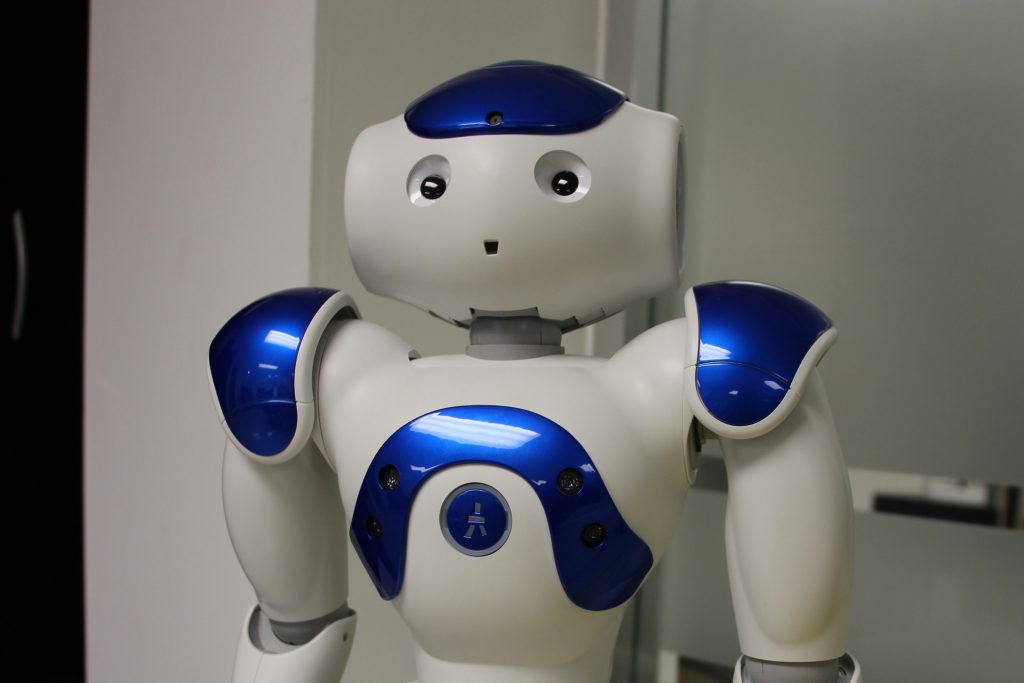
In 1921, Czech writer Karel Capek made public his play RUR (Rossum’s Universal Robots), which automatons characters introduced for the first time ever the term robot with the sense we currently give to it, which derives from the Czech word robota, that means «forced labour or slavery». From this first approach we can notice the influence both literature and science fiction have had in our conception of what a robot is, and the reason whenever we think of them our mind more naturally associates them to thinking and automatons characters presented to us in films like Star Wars or bio-robotic androids that might pass themselves off as humans, like those of Blade Runner. Our actual reality is way too far from those examples, but science keeps working in order to, someday, create such sophisticated mechanisms. Even though if we compare it with fiction it seems like our reality is really far from such great achievements, the truth is that robotics field has been an area in constant and accelerated evolution, same we will explore below: from its beginnings, going later through types of robots and some of its most «ordinary» applications. The first pillars for automation Since ancient times and throughout history, there are numerous registers of automatons created: from the water powered automaton built by Hero of Alexandria (125 BCE), Leonardo Da Vinci’s walking lion and moving knight (1499), as well as the mechanical duck of the French engineer Jacques Vaucanson (1730’s mid-decade); and these are barely four of many examples we could bring up. Even when the term robot and its current meaning were coined (as we were saying before) from Capek’s play, the derived word robotics was created by the famous US author and biochemistry professor Isaac Asimov, who used it for the first time in his sci-fi story «Runaround» (1942), where also sets out his already famous Three Laws of Robotics that would quote in many occasions in his following works. The word would be later adopted in the real world as scientific terminology, turning Asimov one of the robotics’ promoters in the world. The most direct ancestors of current robots are telemanipulators. The first one was developed by R. C. Goertz at the Argonne National Laboratory in 1948 and its objective was avoiding the operator from being at risk while manipulating radioactive elements; the mechanical device was based on a master-slave method, where the master manipulator, placed in a safe zone, was moved by the operator and the slave would recreate his movements. The operator, besides being able to watch through a thick glass, by means of the master device he would feel the forces applied by the slave on the environment. Afterwards would come a computer programme to control manipulator’s movements, substituting operator’s role and thus beginning the current robot concept. In 1961 the first industrial robot was installed, the UNIMATE, created in collaboration by Joseph Engelberger (considered the father of robotics) and George Devol (who patented the invention). The robot consisted of a hydraulic powered arm in General Motor’s factory at Trenton (New Jersey) and worked with an injection moulding machine. In 1973 the Japanese Ichiro Kato created the WABOT I, the first full scale anthropomorphic robot in the world. It possessed a system to control its extremities, vision and conversation. The next year, the Swedish company ASEA would develop the IRB6, the first robot entirely electric controlled by a micro-computer. The first year of the robotic era arrived in 1980, when the production of industrial robots increased 80% regarding the previous year; in addition, in the whole world a great impulse was given to research for the creation of intelligent robots, which began the search of an intelligent autonomous robot. Types of robots According with Álvaro Gómez Ramos, the Robotic Industries Association defines an industrial robot as «a reprogrammable multifunctional manipulator, designed to move materials, pieces, tools or special devices through variable programmed movements that allow to carry out diverse tasks». While the Swedish Industrial Robot Association provides a more complete concept: «manipulator machine automatically controlled, reprogrammable, multipurpose with or without locomotion to be used in industrial applications of automation»; this definition is the one currently considered by the International Organization for Standardization. There are different ways to classify the existent types of robots, these can be labelled according to its chronology, structure, autonomy level, application, etcetera. If we classify them by their architecture, robots can be: Poly-articulated. Commonly sedentary, are structured to move their terminal elements in a determined work space, according to one or more coordinates system and a limited number of liberty degrees. In this group we find manipulators, industrial robots and linear (Cartesian) robots. These possess the ability to move thanks to that they are based on cars or platforms and are provided with a rolling locomotive system. They follow their way remote-controlled or being guided by the received information of its environment through sensors. Guided through paths by means of electromagnetic radiation of circuits set into floor or via photoelectrically-detected strips; they can even avoid obstacles and are equipped with a relatively high intelligence level. These are actually used for study and experimentation, they seek to partially or totally imitate human behaviour and shape, but they have not reached yet the sought fidelity degree , since they have no practical use. The currently most known robot of this kind is Honda‘s ASIMO (Advanced Step in Innovative Mobility), able to walk, run, deal with stairs, reach and open objects, at the same they understand voice commands and remove obstacles out of their way. These can be classified in walkers and no-walkers (the least developed area). Their locomotive systems imitate diverse living beings and it is aimed for them to be used to explore very rough surfaces, either piloted or autonomous, and it is deemed that they will be truly useful in space exploration and volcanos study fields. A Rosie Uniqua at home? Service robots are those autonomous robots that take care of helping with household chores. Even
De la ciencia ficción a la realidad: un recorrido por la evolución de la robótica
En 1921 el escritor checo Karel Capek dio a conocer su obra de teatro RUR (Robots Universales Rossum), cuyos personajes autómatas introdujeron por primera vez el término robot con el sentido que le damos hoy en día, el cual deriva de la palabra checa robota, que significa «trabajo forzado o esclavitud». Desde este primer acercamiento podemos notar la influencia que han tenido la literatura y la ciencia ficción en nuestra concepción de lo que es un robot, y la razón de que al pensar en ellos nuestra mente los asocie más naturalmente a personajes pensantes y autónomos presentados a nosotros en filmes como Star Wars o androides biorobóticos que pueden pasar por humanos, como los de Blade Runner. La realidad actual aún dista mucho de esos ejemplos, pero la ciencia continúa trabajando para, algún día, crear tales sofisticados mecanismos. Aunque al compararla con la ficción pareciera que nuestra realidad se encuentra muy lejana de tan grandes logros, la verdad es que el campo de la robótica ha sido un área en evolución constante y acelerada, misma que a continuación exploraremos un poco desde sus inicios, pasando luego a los tipos de robots y algunas de las aplicaciones más «ordinarias». Los primeros pilares para la automatización Se tienen numerosos registros de autómatas creados desde la antigüedad y a lo largo de la historia: desde el autómata de agua creado por Herón de Alejandría (125 a. C.), el león florecido y el caballero de Leonardo Da Vinci (1499), así como el pato de Vaucanson creado por el ingeniero francés Jacques de Vaucanson a mediados de la década de 1730; y estos son sólo cuatro de los muchos ejemplos que podríamos traer a colación. Aun cuando el término robot y su significado actual fueron acuñados (como mencionábamos antes) a partir de la obra de Capek, la palabra derivada robótica fue creada por el célebre autor estadounidense y profesor en bioquímica Isaac Asimov, quien la utilizó por primera vez en su cuento de ciencia ficción «Círculo vicioso (Runaround)» publicado en 1942, donde también plantea sus ya famosas Tres Leyes de la Robótica que citaría en muchas más ocasiones en sus obras posteriores. La palabra más tarde sería adoptada en el mundo real como terminología científica, volviendo a Asimov uno de los promotores de la popularización de la robótica en el mundo. Los antecesores más directos de los robots actuales son los telemanipuladores. El primero fue desarrollado por R. C. Goertz en el Argonne National Laboratory en 1948 y su objetivo era que el operador no estuviera en riesgo a la hora de manipular elementos radioactivos; el dispositivo mecánico se basaba en un método maestro-esclavo, donde el manipulador maestro, colocado en zona segura, era movido por el operador y el esclavo reproducía sus movimientos. El operador, además de poder observar a través de un grueso cristal, por medio del dispositivo maestro sentía las fuerzas que el esclavo ejercía sobre el entorno. Más tarde se daría paso a un programa de ordenador que controlaría los movimientos del manipulador, sustituyendo el papel del operador y principiando así el concepto de robot actual. En 1961 se instaló el primer robot industrial, el UNIMATE, creado en colaboración por Joseph Engelberger (considerado el padre de la robótica) y George Devol (quien patentó el invento). El robot consistía en un brazo de accionamiento hidráulico que fue instalado en la fábrica de General Motors en Trenton (Nueva Jersey) y trabajaba con una máquina de moldeo por inyección. En el año de 1973 el japonés Ichiro Kato creó el WABOT I, el primer robot antropomórfico a escala completa en el mundo. Poseía un sistema para controlar sus extremidades, visión y conversación. El año siguiente la compañía sueca ASEA desarrollaría el IRB6, el primer robot completamente eléctrico controlado por un microcomputador. El primer año de la era robótica llegaría en 1980, cuando la producción de robots industriales incrementó 80% con respecto del año anterior; además, a nivel mundial se dio un gran impulso a la investigación para la creación de robots inteligentes, con lo que se dio inicio a la búsqueda del robot autónomo inteligente. Tipos de robots Según señala Álvaro Gómez Ramos, la Asociación de Robots Industrial (Robot Industry Association) de Norteamérica define un robot industrial como «un manipulador multifuncional reprogramable, diseñado para desplazar materiales, piezas, herramientas o dispositivos especiales mediante movimientos programados variables que permiten llevar a cabo tareas diversas». Mientras que la Asociación Sueca de Robots Industrial (Swedish Industrial Robot Association) brinda un concepto más completo de robot: «máquina manipuladora automáticamente controlada, reprogramable, multipropósito con o sin locomoción para uso en aplicaciones industriales de automatización»; esta definición es la actualmente considerada por la Norma ISO. Hay distintas maneras de clasificar a los tipos de robot que existen, estos pueden ser etiquetados de acuerdo con su cronología, su estructura, su nivel de autonomía, su aplicación, etcétera. Según su arquitectura, los robots pueden ser: Poli-articulados. Los robots de esta categoría son comúnmente sedentarios y están estructurados para mover sus elementos terminales en un determinado espacio de trabajo, según uno o más sistemas de coordenadas y con un número limitado de grados de libertad. En este grupo se encuentran los manipuladores, los robots industriales y los robots cartesianos. Móviles. Son robots que poseen la capacidad de desplazarse gracias a que se basan en carros o plataformas y están dotados de un sistema locomotor de tipo rodante. Siguen su camino por telemando o guiándose por la información recibida de su entorno a través de sensores. Guiados mediante pistas materializadas a través de la radiación electromagnética de circuitos empotrados en el suelo o mediante bandas detectadas fotoeléctricamente; pueden incluso llegar a sortear obstáculos y están dotados de un nivel relativamente elevado de inteligencia. Estos robots se utilizan actualmente para estudio y experimentación, buscan imitar de manera parcial o total el comportamiento y la forma del ser humano, pero todavía no alcanzan el grado de fidelidad buscado, ya que no tienen utilidad práctica. El robot de este tipo más conocido actualmente es el ASIMO (Advanced Step in Innovative Mobility) de
New 3D printing materials, evolution with no limits
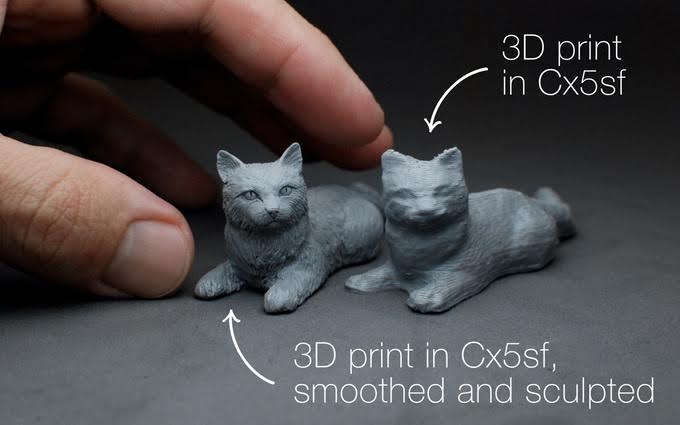
What does a technology needs to evolve? The answer is simple: innovating. In the particular case of 3D printing, one of the industries of the future, despite it was invented in the eighties, day in day out there is work being done to improve it, the perfection of this technique is sought trough new materials. The first raw material in three-dimensional printing was resin, fused deposition modelling (FDM) was tried afterwards using acrylonitrile butadiene styrene (ABS) and polylactic acid (PLA), which have been perfected in order to achieve a better final product. But it does not end there, also different materials have been used, from nylon, flexible, wood… until arriving the most innovative. Three-dimensional print had a slow beginning, with no hurry, but in the last years it has experienced a tremendous growth. This technology with over thirty years in the market has had a terrific evolution, what began with curiosity about a less tedious prototypes creation, has come to facilitate processes and now it is aimed to reduce the price of the products, which is why new materials are constantly being created, some of which we present you this STI Wednesday. The «obsolete» materials As we have already told you in one of our previous STI Wednesdays, 3D printing began in 1984, bu Charles Hull initiative, who created stereolithography, first technique used to build a design, which functions by means of the first material used in this technology: photopolymer resin. In resin printers, each label makes its own consumables, that is used for the object printing; nevertheless, there are generic resins with which some printers can work. Resin printing has advantages, like: quick prototyping, high precision and resolution, besides it allows to print pieces of geometric complexity. Each one of the enterprises has different types of resins and they launch more and more to the market, according to the characteristics they want to cover. Nevertheless, not everything is honky-dory: resins have issues like the final product’s fragility and, unlike other materials, these require a hardening post-processing. After stereolithography, in the late eighties and the beginnings of the nineties, emerged a new method, FDM, which had as its first materials ABD and PLA, the way to print would be the same, but these consumables count on different characteristics. ABS is a resistant and hard plastic that, once printed, allows a technique of post-processing to soften the piece through acetone vapour, ideal for mechanical pieces (the problem is that acetone vapour is harmful to health, it has to be used with the opportune security measures); this filament is ideal for creating small pieces and can bear relatively high temperatures. When it comes to PLA, it is a more fragile material that, unlike ABS, can be printed in cold temperatures, which helps the printing to be quicker; this consumable is biodegradable, so it does not considerably affect the environment and neither produces harmful vapours; nevertheless, not everything is as sweet as honey: this material recycling is complicated, also offers a limited handing after the printing. In short, ABS is more functional for industrial uses, while PLA is better for domestic usage. A reason why these are the most used is the accessible cost of such filaments, which can be used to realise prototyping pieces that later can be manufactured with higher quality materials. PET, the most sustainable combination Polyethylene terephthalate (PET) is one of the 3D printing new materials of co-polyester. One of the methods to obtain it consists of recycling PET plastic bottles, aiming to help the environment and the user’s economy, since its acquisition turns out to be economic. This product has characteristics of two of the most used materials in this technology (PLA and ABS), PET is very resistant and it can be easily handled. Besides, according to the Food and Drug Administration (United States), despite being a recycled material, has the approbation to be in direct contact with food. One of its disadvantages is that, when it surpasses 70 Celsius degrees, polyesters do not keep good properties. Bioprinting, the future of medicine? Traditional 3D printers normally use materials such as plastics, resins, metals… but now has arrived the bioprinting era, that seeks to benefit people’s health by using materials with human tissue base. Living tissues and cells can be obtained from the patient himself, to create cartilages and bones that can be replaced. It is worth mentioning that such contribution to science remains in its period of experimentation and tests on animals. The benefits this material would bring is facing the lack of transplant organs and the excessive amount of required donors, tissues reconstruction, as well as taking advantage of this technology for human life extension. The existing obstacles for three-dimensional printing are the lack of control in cellular penetration and seeding of tissues, which gives as result a tissue with no uniform maturation, limited oxygen diffusion through great constructions and there are no capillaries or vascular tubes. Certainly, it would be truly beneficial for the world, but is still a challenge for science. Cx5, in search of perfection This material seeks to solve the flaws that make impossible perfect prints. Adam Bean, a recognised sculptor, created the new filament Cx5, a material that is a mystery due to the fact that the creator has not unveiled its secret, although he assures it is a natural material, non-toxic and of sustainable origin. This innovative product is handled as hot clay, allows finishing touches like wax and can be as hard as a plastic. The main characteristic of this consumable is that, once the figure is printed, this can be modelled and detailed to avoid the printing layers and imperfect finishes from being discerned. In addition to these characteristics that differentiate Cx5 from other products, the printings with this material can easily stick on acrylic (crystal or metal), an enormous advantage so the sculptors can work their creation with finer details. This is a tremendous technological advance, but is not easy to acquire, since its cost is elevated,
Nuevos materiales de impresión 3D, evolución sin límites
¿Qué necesita una tecnología para evolucionar? La respuesta es sencilla: innovar. En el caso particular de la impresión 3D, una de las industrias del futuro, a pesar de haber sido inventada en los años ochenta, día con día se trabaja en su mejoría, se busca perfeccionar esta técnica mediante nuevos materiales. La primera materia prima en la impresión tridimensional fue la resina, posteriormente se incursionó en la impresión por deposición de material fundido (fused deposition modeling, FDM) utilizando material plástico acrilonitrilo butadieno estireno (acrylonitril butadiene styrene, ABS) y ácido poliláctico (polylactic acid, PLA), los cuales se han ido perfeccionando para lograr un mejor producto final. Pero esto no queda ahí, además se han utilizado distintos materiales, pasando por nylon, flexibles, madera… hasta llegar a los más innovadores. La impresión tridimensional tuvo un inicio lento, sin prisa, pero en los últimos años ha experimentado un crecimiento tremendo. Esta tecnología con más de treinta años en el mercado ha tenido una evolución magnífica, lo que se inició con una inquietud para crear prototipos de una manera menos tediosa, ha venido a facilitar procesos y ahora se busca abaratar el coste de los productos, es por ello que cada vez se están produciendo nuevos materiales, algunos de los cuales te presentaremos en este Miércoles de CTI. Los materiales «obsoletos» Como ya te contamos en uno de nuestros Miércoles de CTI anteriores, la impresión 3D comenzó en 1984, por iniciativa de Charles Hull, quien creó la estereolitografía, primera técnica para la construcción de un diseño, que funciona por medio del primer material que se utilizó en esta tecnología: la resina fotopolimérica. En las impresoras de resina, cada marca fabrica su propio insumo, el cual es utilizado para la impresión del objeto; a pesar de esto, existen resinas genéricas con las que algunas impresoras pueden trabajar. La impresión en resina cuenta con ventajas como: realización de prototipado rápido, por la alta precisión y la resolución que alcanza, además permite imprimir piezas con complejidad geométrica. Cada una de las empresas tiene diferentes tipos de resinas y sacan cada vez más al mercado, según las características que quieran cubrir. Sin embargo, no todo es miel sobre hojuelas: las resinas cuentan con inconvenientes como la fragilidad del producto final y, a diferencia de otros materiales, requieren un postprocesado de endurecimiento. Posterior a la estereolitografía, a finales de los ochenta y principios de los noventa, surgió un nuevo método, el FDM, el cual tuvo como sus primeros materiales el ABS y el PLA, la forma de impresión sería la misma, pero estos insumos cuentan con características diferentes. El ABS es un plástico resistente y duro, que al ser imprimido permite una técnica de postprocesado para suavizar la pieza por medio de vapor de acetona, idóneo para piezas mecánicas (el problema es que el vapor de acetona es nocivo para la salud, tendría que usarse con las medidas de seguridad oportunas); este filamento es ideal para la realización de piezas pequeñas y puede soportar temperaturas relativamente elevadas. Con respecto al PLA, es un material más frágil que, a diferencia del ABS, puede imprimirse a temperaturas frías, lo que ayuda a que la impresión sea más rápida; este insumo es biodegradable, por lo tanto no afecta mucho al medio ambiente y tampoco produce humos nocivos; no obstante, no todo es maravilla: el reciclaje de este material es complicado, asimismo, la manipulación de la pieza es limitada luego de la impresión. En suma, el ABS es más funcional para usos industriales, mientras que el PLA es más apto para uso doméstico. Una razón por la que son los más usados es el costo accesible de estos filamentos, los cuales pueden servir para realizar piezas para un prototipado que posteriormente se fabrique con materiales de mayor calidad. PET, la combinación más sustentable El tereftalato de polietileno (polyethylene terephtalate, PET) es uno de los nuevos materiales para impresión 3D de copoliester. Uno de los métodos para conseguirlo consiste en el reciclaje de botellas plásticas de PET, con la intención de apoyar al medio ambiente y también al bolsillo, porque su adquisición resulta económica. Este producto cuenta con características de dos de los materiales más utilizados en esta tecnología (PLA y ABS), el PET es muy resistente y además tiene la posibilidad de ser manipulado de manera sencilla. Además, a pesar de ser un material reciclado, cuenta con aprobación para el contacto con los alimentos, de acuerdo con la Agencia de Alimentos y Medicamentos (Food and Drug Administration, FDA) de los Estados Unidos. Una de las desventajas con las que cuenta es que al someterse a temperaturas mayores a los 70 grados, los poliésteres no mantienen buenas propiedades. Bioimpresión, ¿el futuro de la medicina? Las impresoras 3D tradicionales normalmente utilizan materiales como plásticos, resinas, metales… pero ahora ha llegado la era de la bioimpresión, que busca beneficiar la salud de las personas utilizando materiales con base de tejidos humanos. Los tejidos y células vivos se pueden obtener del mismo paciente, para crear cartílagos y huesos que puedan ser reemplazados. Cabe mencionar que esta aportación a la ciencia todavía permanece en su periodo de experimentación y pruebas en animales. Los beneficios que dejaría este material es atacar la escasez de órganos para trasplantes y el excesivo número de donantes requeridos, la reconstrucción de tejidos, así como el aprovechamiento de esta tecnología para la extensión de la vida humana. Los obstáculos que se tienen para la impresión en tres dimensiones es que la penetración celular y la siembra de tejidos no se controlan, lo que deja como resultado un tejido con maduración no uniforme, la difusión de oxígeno a través de grandes construcciones es limitada y no se cuenta con capilares o tubos vasculares. Ciertamente sería algo muy provechoso para el mundo, pero aún se mantiene como un desafío para la ciencia. Cx5, en busca de la perfección Este material busca cubrir las fallas que hacen imposibles a las impresiones perfectas. Adam Bean, un reconocido escultor, creó el nuevo filamento Cx5, un material que es una
TBE: entrepreneurs future or one more step for transnationals?
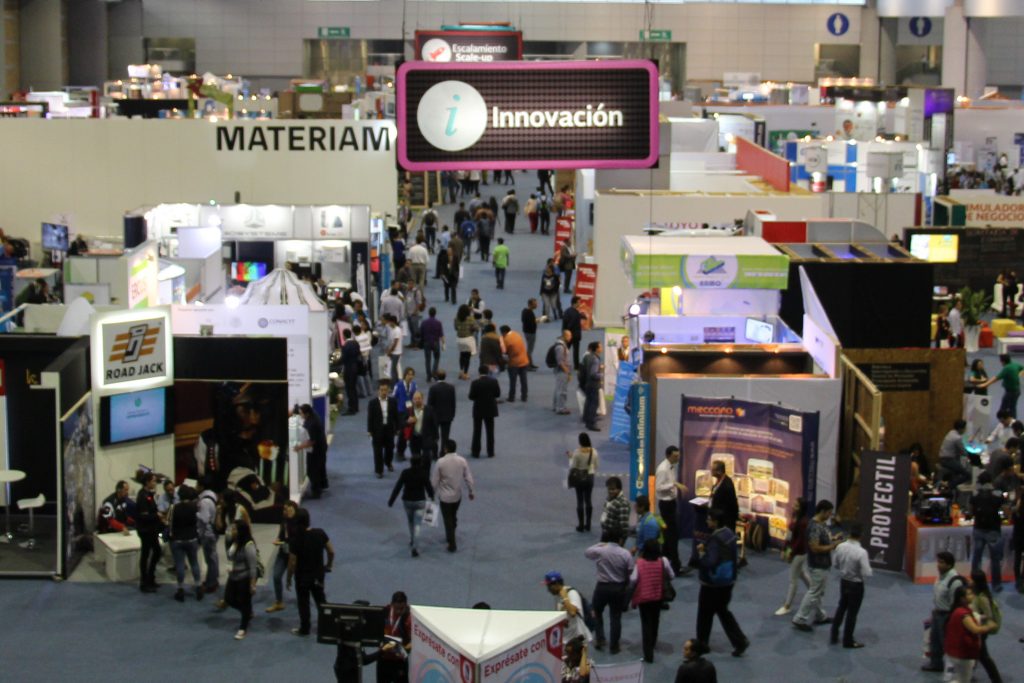
Recently we have witnessed the emergence of tens of new business related to technological matters such as software development, research on biotechnology, exploitation of renewable energies, enterprises that have even become responsible of launching new products to the market. Certainly the aforementioned are some examples of technology-based enterprises (TBE), but the story of these organizations is not as recent as you may think, since, according with Humberto Merritt (in his 2012 publication titled «Mexican enterprises of technological basis and their innovation capabilities»), since 1977 a study made by Arthur D. Little Consultancy allowed to define TBE as independent enterprises, of less than 25 years old, that base their operation on exploiting a technological invention or innovation that involve a substantial technological risk. As their name expresses, TBE have new technological-scientific discoveries as main foundation of their activity and with them they raise awareness in the market new and distinct products, processes or services, this is, they include innovation in its functioning. Although this is no it yet, you may wonder how TBE emerge, if not by spontaneous generation. This CTI Wednesday we will have an answer those exposes, in addition to an idea, an institutional support and more useful knowledge to materialise a TBE. What is a TBE and which elements determine its essence? Summarizing, there is a group of small and medium-sized enterprises that operate by means of intensive usage of technological knowledge. During the last years TBE have become an example of successful collaboration between industry and academy. It should be highlighted that there are other types of enterprises, less traditional, that relate with TBE, namely: the so youthful and well-known spin-offs and start-ups, business and enterprise models focused on offering solutions to people, from a perspective based on research and development. Among the 50 start-ups with more future we have examples like these: new platforms for e-commerce like eComMarketing.click, that help to make catalogues profitable without having to keep personnel for it, since everything is managed from a web platform; another case is Emotion Research Lab, dedicated to facial acknowledgment applied to know microexpressions emotions of consumers while they watch an announce; likewise exist TBE like Exovite, that is dedicated to the design of 3D printed splints meant to be directly placed on the patient by the moment the plaster is substituted and include a microstimulator to accelerate the recovery… As well as countless more solutions. Spin-off enterprises function in such manner that they are focused on transferring to society university technology generated through specialised knowledge of researchers belonging to the institution. For its part, start-up enterprises also are of recent creation and they turn their scientific-technological knowledge into new products or processes for the market, they focus on very specialised niches like biotechnology, information and communications industry, precision instruments and fine chemicals. Benefits, desirable conditions and… risks? As we already said before, TBE’s virtues are astonishing, because they are related with benefits translated into resources thanks to the strengthening of research activities, relationships entrepreneurs create with universities, generating human resources prepared to research and work fields, obtaining financial resources and, above all, establishing a TBE network that allow the continuity of this kind of undertakings that facilitates universities to keep on generating resources to continue with these. Among the benefits stands out the creation of research groups, the support to entrepreneurs and university researchers, as well as the universities. Having said that, we must specify that, in order to consolidate the creation of a TB}e, there are some desirable conditions needed: Technology that might be protected (intellectual property), have different applications and be totally developed and tested to be leaded to a wide market. Team conformed of an entrepreneur leader, managers with business experience, a top-ranking technical team and a multidisciplinary team. Business plan in which be captured the steps to be followed for the enterprise’s viability at medium and long terms. Investors interested on investing in the new enterprise for the commercial exploitation of technology. There are also distinct barriers or risks that in some cases can appear: lack of entrepreneur character, financial barriers, lack of experience in the promoting team, as well as in the matter of legal issues. Clear examples of support to TBE in Mexico and the world A clear example of TBE being strengthened by research centres around the world is the entrepreneurship fair annually organised by Russia at the scientific-technological park of Skolkovo. This event, named Start-up Village, is dedicated to undertakings and advances on innovation, science and technology; its duration is of two days and is considered world-class, since it gathers hundreds of entrepreneurs, investors and curious visitors belonging to different parts of Russia and the world. A similar example is given in Mexico, during the National Week of the Entrepreneur, annually organised by the Secretariat of Economy and the National Institute of the Entrepreneur. This is an event bound to entrepreneurs and businessmen, as an effort to encourage scientific-technological applications in new businesses, TBE essence is complemented through the recently implemented Innovation Ecosystem, oriented to processes that aim this kind of enterprises to be created in shorter time and with a cost of cero. How TBE are fostered in Mexico In his article of 2012, Merritt assures: «… it is important to emphasise that the TBEs concept is closely linked to the enterprises incubators and scientific-technological parks model, since these instruments have played a fundamental role in the development of small technological businesses by giving them both the necessary infrastructure and accompanying services for their start and consolidation. Thus, is no causality that many TBE tend to have a regional impact, since they seek to transfer the results of their collaboration with incubator universities to their own markets». In Mexico, there is work being done for the implementation of policies and government programmes that allow to national small enterprises turn into TBE through the strengthening of their «intellectual capital» (this term is used by some of the authors to refer to intangible or knowledge assets, and is