EBT: ¿el futuro de los emprendedores o un escalón más para las transnacionales?
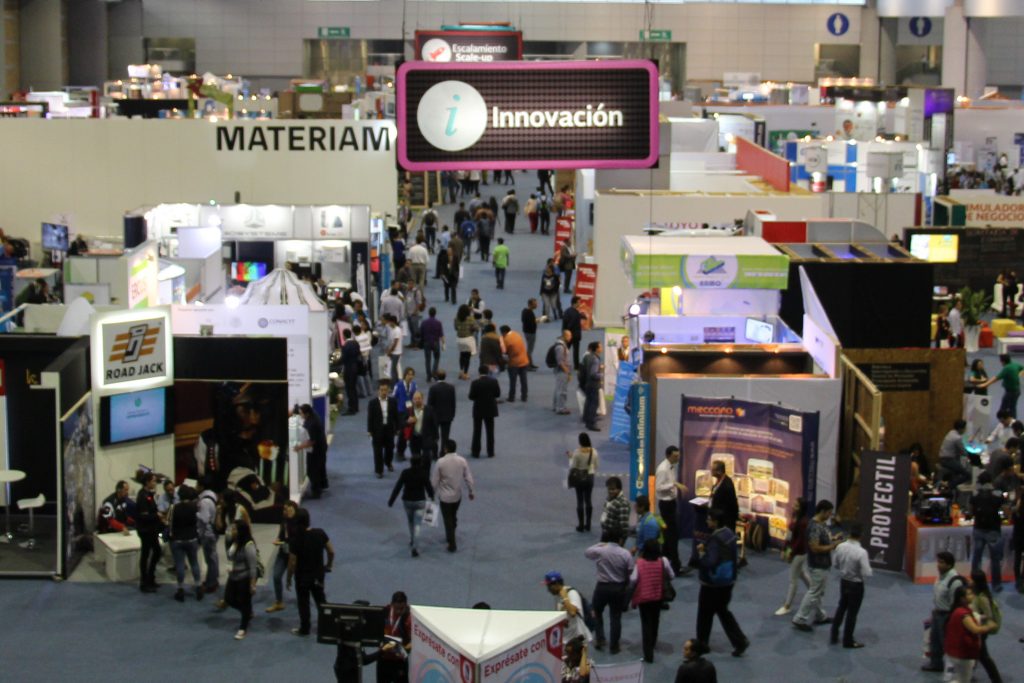
Recientemente hemos sido testigos del surgimiento de decenas de nuevos negocios relacionados con cuestiones tecnológicas tales como desarrollos de software, investigación en biotecnología, aprovechamiento de energías renovables, empresas que incluso han llegado a ser responsables del lanzamiento de nuevos productos al mercado. Ciertamente los anteriores son algunos ejemplos de empresas de base tecnológica (EBT), mas la historia de dichas organizaciones no es tan reciente como podría pensarse, ya que, de acuerdo con lo señalado por Humberto Merritt (en su publicación de 2012 titulada «Las empresas mexicanas de base tecnológica y sus capacidades de innovación»), desde 1977 un estudio realizado por la Consultoría Arthur D. Little permitió definir las EBT como empresas independientes, con menos de 25 años de antigüedad, que basan su operación en la explotación de una invención o innovación tecnológica que conlleve un riesgo tecnológico sustancial. Tal y como su nombre lo expresa, las EBT tienen como principal fundamento de su actividad los nuevos descubrimientos científico-tecnológicos y con ellos dan a conocer al mercado nuevos y distintos productos, procesos o servicios, es decir, incluyen la innovación en su funcionamiento. Pero esto no es todo, tal vez llegues a preguntarte cómo es que las EBT surgen, si acaso no es por generación espontánea. A continuación tendremos una respuesta que expone, además de una idea, un apoyo de modo institucional y más conocimiento útil para concretar una EBT. ¿Qué es una EBT y qué elementos le dan su esencia? En síntesis, existe un grupo de pequeñas y medianas empresas (PYMES) que opera mediante el uso intensivo del conocimiento tecnológico. En los últimos años las EBT se han convertido en un ejemplo de colaboración exitosa entre la industria y la academia. Cabe precisar que existen otros tipos de empresas, menos tradicionales, que se relacionan con las EBT, a saber: las tan juveniles y sonadas en el mundo emprendedor empresa derivada (spin-off) y empresa emergente (start-up), modelos de negocios y empresas que están enfocados a ofrecer soluciones a las personas, desde un enfoque basado en la investigación y el desarrollo (I+D). Entre las 50 start-ups con más futuro tenemos ejemplos como los siguientes: nuevas plataformas para comercio electrónico (e-commerce) como eComMarketing.click, que ayuda a rentabilizar catálogos sin necesidad de tener personal, ya que todo es manejado desde una plataforma web; otro caso es el de Emotion Research Lab, que se dedica al reconocimiento facial aplicado a conocer las emociones de las microexpresiones de los consumidores mientras ven un anuncio; de igual manera existen EBT como Exovite, que se dedica a diseñar férulas impresas en 3D que se colocarán directamente en el paciente al sustituir el yeso e incluyen un microestimulador para acelerar la recuperación… Además de un sinnúmero de soluciones más. Las empresas derivadas funcionan de manera tal que se enfocan en transferir a la sociedad tecnología universitaria generada a través del conocimiento especializado de investigadores de la institución. Por su parte, las empresas emergentes son también de nueva creación y convierten sus conocimientos científico-tecnológicos en nuevos productos o procesos para el mercado, se enfocan en nichos muy especializados como biotecnología, industria de la información y las comunicaciones, instrumentos de precisión y química fina. Beneficios, condiciones deseables y ¿riesgos? para las EBT Como se ha dicho en líneas anteriores, las virtudes de las EBT son impresionantes, pues se relacionan con beneficios traducidos en recursos gracias a la potenciación de la actividad de investigación, las relaciones creadas con las universidades por parte de los nuevos empresarios, la generación de recurso humano preparado para la investigación y el ámbito laboral, obtención de recursos financieros y, sobre todo , el establecimiento de una red de EBT que permita la continuidad de este tipo de emprendimientos que facilita que las universidades puedan seguir generando recursos para dar continuidad a los mismos. Entre los beneficiarios destaca la creación de grupos de investigación, el apoyo a emprendedores o investigadores universitarios, así como a las mismas universidades. Ahora bien, para que se pueda consolidar la creación de EBT es necesario que se presenten ciertas condiciones deseables: Tecnología que pueda ser protegida (propiedad intelectual), tener distintas aplicaciones y estar totalmente desarrollada y probada para que sea dirigida a un mercado amplio. Equipo conformado por líder emprendedor, por gestores con experiencia empresarial, un equipo técnico de primera línea y un equipo multidisciplinario. Plan de empresa en el cual sean plasmados los pasos a seguir para la viabilidad de la empresa a mediano y largo plazos. Inversionistas que se interesen en invertir en la nueva compañía para la explotación comercial de la tecnología. De igual manera, se presentan distintas barreras o riesgos que en algunos casos pueden presentarse: déficit de carácter emprendedor, barreras financieras, falta de experiencia del equipo promotor así como en aspectos legales. Claros ejemplos de apoyo para EBT en México y el mundo Un claro ejemplo de que las EBT son potenciadas por centros de investigación alrededor del mundo es la feria de emprendimiento organizada anualmente en Rusia por el Parque Científico-Tecnológico de Skolkovo. Este evento, llamado Start-up Village, está dedicado a los emprendimientos y avances en innovación, ciencia y tecnología; su duración es de dos días y se considera de clase mundial, en tanto reúne a cientos de emprendedores, inversionistas y curiosos visitantes provenientes de diferentes partes de Rusia y del mundo. Un ejemplo similar se da en México, durante la Semana Nacional del Emprendedor, que es organizada anualmente por la Secretaría de Economía y el Instituto Nacional del Emprendedor. Se trata de un evento apto para emprendedores y empresarios, es un esfuerzo para incentivar las aplicaciones científico-tecnológicas en los nuevos negocios, se complementa la esencia de las EBT por medio del recientemente implementado Ecosistema de Innovación orientado a procesos para que este tipo de empresas pueda crearse en menos tiempo con un costo cero. Cómo se apoya a las EBT en México En su artículo de 2012, Merritt asegura: «… es importante destacar que el concepto de las EBTs está íntimamente ligado al modelo de incubadoras de empresas y de parques científicos y tecnológicos, ya que
Sensores: invisibles pero eficientes aliados del IoT
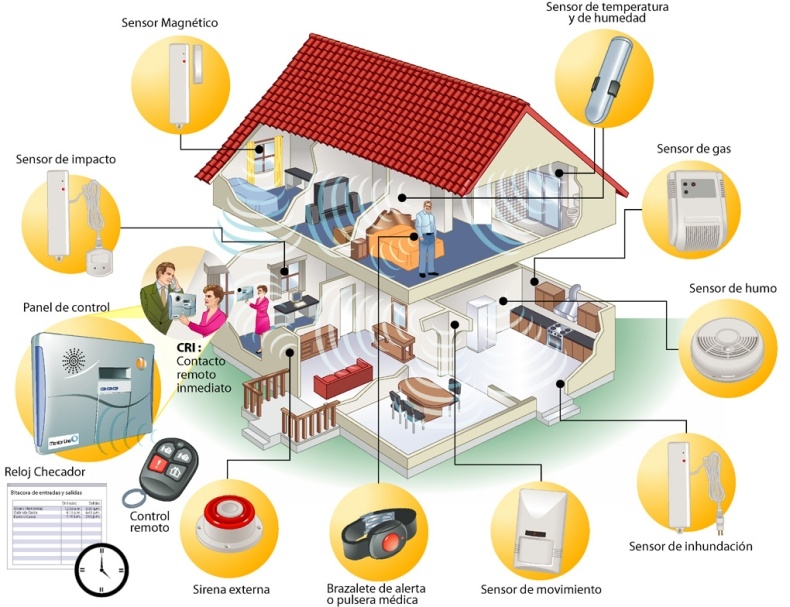
De acuerdo con algunos especialistas, cada vez estamos más cerca de la cuarta revolución industrial, que incluye diversas tecnologías e industrias, entre las cuales destacan: impresión 3D, inteligencia artificial, biotecnología, realidad aumentada, nuevas tecnologías computacionales, neurociencias y sensores. En esta edición de nuestro Miércoles de CTI, te hablaremos sobre los sensores (también llamados captadores), tecnología que desde hace décadas nos ha acompañado pero que ahora se perfila como un imprescindible aliado del internet de las cosas (IoT). La «invasión» de los sensores Se trata de dispositivos constituidos por componentes pasivos (aquellos que varían su magnitud en función de alguna variable, los hay resistivos, inductivos…) y componentes activos (aquellos que proporcionan excitación eléctrica, ganancia o control, como piezoeléctricos, de efecto Hall…), diseñados para captar información relativa a una magnitud (temperatura, peso, humedad, presión, movimiento…) del exterior (respecto al propio dispositivo) y convertirla en otra magnitud (normalmente eléctrica) que se puede cuantificar y manipular. Por lo que respecta a los tipos de sensores, tenemos sensores de contacto, por ultrasonido, de movimiento, de deslizamiento, de velocidad, de corriente, de temperatura, de humedad, magnéticos, de presión, para automoción, de proximidad, entre otros. Cada tipo cumple con diferentes funciones, pero todos cuentan con las mismas 14 características, que determinan la calidad del sensor; cabe destacar que de la aplicación que se dará al sensor dependerá la mayor o menor importancia que en el diseño del sensor se le dé a cada una de estas características: Linealidad. Precisión. Sensibilidad. Repetitividad de la medida. Poder de resolución. Intercambiabilidad. Estabilidad a largo plazo. Resistencia a los contaminantes físicos o químicos. Tiempo de respuesta. Capacidad de recuperación. Tamaño. Encapsulado. Electrónica integrada. Salidas procesables. Los nuevos avances tecnológicos facilitan que haya más sensores a nuestro alrededor, día a día llegamos a interactuar con cientos de sensores sin siquiera darnos cuenta: los encontramos en relojes, celulares, refrigeradores, aires acondicionados, automóviles, computadoras y más; asimismo, conforme evoluciona la ciencia, la vida se va rodeando de más sensores para mejorar los procesos en el funcionamiento de fábricas, en la medicina para ayudar a pacientes con problemas de memoria, en los ecosistemas para controlar las condiciones específicas de diferentes tipos de plantas, etcétera. Los aliados invisibles en la toma de decisiones ¿Alguna vez imaginaste que una prenda regularía la temperatura de tu hogar? Pues ya es posible: una investigación desarrollada por la empresa española Baxi (dedicada a la climatización) y La Salle-Barcelona de la Universidad Ramon Llull desarrollaron el primer vestible que cumple con esa función. Esto fue logrado gracias a la combinación de dos grandes tecnologías, el IoT y los sensores, con el fin de lograr una climatización personalizada. El funcionamiento de Baxi Project consiste en cuatro sensores colocados en las axilas, los cuales miden la temperatura central y la humedad, mientras que en las muñecas captan la temperatura de la superficie, siendo la que reacciona a los cambios térmicos y pronostica cuándo la persona comienza a tener frío o calor. Ya con los datos recogidos se sincroniza con la nube y se envían a la aplicación móvil, que transmite la información a los diversos equipos de climatización del hogar. Esta es una de las múltiples funciones que tienen los sensores en el área de la domótica, siendo los hogares donde regularmente se emplea. Por otra parte, ¿cuántas veces has llegado tarde a tu destino por el tráfico? En España, un grupo de investigadores de la Universidad Politécnica de Madrid, desarrollaron un algoritmo para la toma de decisiones que se aplica a sistemas inteligentes de transporte, con el fin de reducir el tráfico en las carreteras. Dicho proyecto funciona por medio de los datos de tráfico que aporta una red de sensores desplegados en las vías de circulación, siendo el algoritmo capaz de recomendar a los conductores la mejor ruta, y así evitar perder tiempo y poder llegar a su destino sin retraso. Seguramente muchos se preguntan: ¿cuándo llega a México? De igual manera, la empresa Bosch (líder mundial en tecnologías y servicios) pretende optimizar los tiempos para encontrar un lugar de estacionamiento, pues más del 30% de tráfico en la ciudad se debe a que los automóviles están buscando en dónde estacionarse. La empresa alemana plantea que para 2020 existan sensores especiales de ocupación en plazas de estacionamiento que detecten e informen al conductor sobre los lugares disponibles. Con esto se busca conectar el mayor número de automóviles posible, pues este sistema de estacionamiento, que funcionaría mediante el IoT, abona para la consolidación de las ciudades inteligentes. Además, los sensores cuentan con diversas funciones, como monitorear el ritmo cardiaco de las personas, activar la iluminación en un lugar, detección de fugas, percibir el acercamiento de un individuo u objeto, localización de seres vivos, evitar poner el riesgo la salud de un bebé, mejorar procesos industriales y un sinfín de acciones que forman parte de nuestra vida diaria. ¿Una ventaja se puede convertir en desventaja? La cámara termográfica es una herramienta que por medio de un sensor térmico percibe todos los cuerpos que emiten radiación infrarroja y son imposibles de detectar para el ojo humano; esto implica muchas ventajas para la prevención de situaciones no deseadas, como fugas, lesiones internas, calentamiento de componentes eléctricos y más. ¿Pero qué pasaría si afuera de tu domicilio se encuentra una persona con una cámara termográfica y empieza a inspeccionar tu hogar a través de las paredes?, ¿invadir tu privacidad es una ventaja? En resumen, los sensores son el medio por el que podemos conocer las señales que representan valores del sistema, siempre y cuando podamos adquirirla mediante un medio físico o en algunos casos mediante técnicas indirectas, nos proporcionan información de los estados del sistema, y gracias a esto podemos controlar un sistema de manera automática o mediante un control por usuario. Prácticamente, los sensores están invadiendo todas las áreas, a pesar de no verlos, están en todos lados y llegaron para mejorar la calidad de vida de las personas, el funcionamiento de las industrias, el control de los procesos… siempre y cuando se les
Sensors: invisible but efficient IoT allies
According to some specialists, we are getting closer to the fourth industrial revolution, that includes diverse technologies and industries, among which stand out: 3D printing, artificial intelligence, biotechnology, augmented reality, new computing technologies, neurosciences and sensors. In this edition of our CTI Wednesday we will broach the sensors theme, technology that since decades ago have been accompanying us but is now shaping up as an indispensable ally to the internet of things (IoT). The «invasion» of the sensors These are devices constituted by passive components (those that change their magnitude based on some variable, there are resistive, inductive…) and active components (those that provide electric stimulation, profit or control, like piezoelectric, of Hall effect…), designed to receive information related to an external (regarding to the own device) magnitude (temperature, weight, humidity, pressure, movement…) and to convert it into another magnitude (normally electrical) that can be quantified and manipulated. With regard to sensors types, we have sensors by contact, by ultrasound, of movement, of sliding, of velocity, of current, of temperature, of humidity, magnetic, of pressure, for auto-motion, of proximity, among others. Each type fulfils different functions, but all of them count on the same 14 characteristics that determine the sensor’s quality; it should be mentioned that, depending on the use is going to have the sensor, the design will give more or less importance to each of these characteristics: Linearity. Precision. Sensibility. Measure repetitiveness. Resolution power. Exchangeability. Long-term stability. Physic and chemical pollutants resistance. Time of response. Size. Encapsulating. Integrated electronics. Processable exits. New technological advances make easier having more sensors around us, we daily interact with hundreds of sensors without even noticing it: we find them in watches, cell phones, refrigerators, air conditionings, automobiles, computers and more; likewise, as the science evolves, life gets surrounded by more sensors to improve processes in factories functioning, in medicine to help patients with memory problems, in ecosystems to control specific conditions of different kinds of plants, etcetera. The invisible allies in decision making Have you ever imagined that an item of clothing would regulate your house’s temperature? Well, now it is possible: a research developed by the Spanish enterprise Baxi (dedicated to heating, ventilation and air conditioning) and La Salle-Barcelona of the Ramon Llull University achieved the creation of the first wearable that carries out his function. This was achieved thanks to the combination of two great technologies, IoT and sensors, with the purpose of attaining a customized climate control. Baxi Project functioning consists of four sensors placed on the armpits, which measure central temperature and humidity, while the sensors placed on the wrists receive the surface temperature and are the ones that react to thermic changes and predicts when the person starts feeling cold or heat. Once data are collected comes a synchronisation with the cloud and are sent to the mobile app, that transmits the information to the diverse climate control equipment of the house. This is one of the numerous functions sensors have in domotics, and are mainly houses where this technology is used. On the other hand, how many times have you arrived late to your destination because of traffic? In Spain, a group of researchers belonging to the Technical University of Madrid developed an algorithm for decision making that is applied to smart transport systems, aiming to reduce highway traffic. Such project works through traffic data provided by a sensors network spread out on traffic routes, the algorithm is able to recommend to drivers the best route and thus prevent waste of time, as well as arriving on time to the destination. Certainly many are wondering: when does this arrive to Mexico? Also, Bosch enterprise (world leader in technologies and services) pretends to optimize the times to find a parking spot, since over 30% of cities traffic is due to automobiles searching where to park. The German enterprise contemplates that by 2020 exist special occupancy sensors in parking lots to detect and inform the driver about available spaces. With this is intended to connect as many automobiles as possible, because this parkins system, that works via IoT, helps for the consolidation of smart cities. Besides, sensors count on diverse functions, like monitoring people heart rhythm, activating some place’s lightning, leaks detection, perceiving an individual or object approach, localization of living beings, preventing a baby’s health from risk, improving industrial processes and endless actions that are part of our daily life. An advantage may become a disadvantage? The thermographic camera is a tool that by means of a thermic sensor perceives all bodies emitting infrared radiation and impossible to detect by human eyes; this has many advantages for unwanted situations prevention, like leaks, intern injuries, warming of electrical components and more. But what would happen if outside your house were a person with a thermographic camera and he started to look over your house through the walls?, is this an advantage? To sum up, sensors are the media by which we can know the signals that represent values of the system, as long as we can get it through a physic media or in some cases thanks to indirect techniques, they provide us information of the systems’ states and is due to this that we can control a system in an automated way or via a control per user. In reality, sensors are invading all areas, despite we do not see them, they are everywhere and they have come to upgrade people quality life, industries functioning, processes control… as long as they are given the correct use. Written by Alfredo Careaga (Communication and Diffusion, PIT-UAS), translated by Belem Ruiz (Edition and Communication, PIT-UAS).
Agentes autónomos: la era de las «máquinas pensantes»
Hoy en día la inteligencia artificial (IA) ha logrado ya lo que Alan Turing, considerado el padre de la informática, proponía en la década de los cincuentas del siglo XX, cuando el lógico y matemático británico planteaba que la mejor forma de programar máquinas inteligentes consistiría en construir máquinas capaces de aprender. Lo que Turing vaticinó se encontraba, tal como él mismo lo señaló, «a una corta distancia delante de nosotros», ¿pues qué son apenas unas cuantas décadas en el curso de la historia de la humanidad? El campo de acción de los agentes autónomos es tan vasto como lo es el quehacer humano, a continuación damos un vistazo a la historia, la «psicología», las aplicaciones y contradicciones de esta tecnología, también considerada (junto con la malla de dispositivos) como una de las industrias del futuro. Del concepto aristotélico de racionalidad al aprendizaje profundo Hace alrededor de dos mil cuatrocientos años, en su Ética a Nicómaco, Aristóteles declaró: «la recta razón [es] la que endereza las cosas al fin perfecto, y obrar conforme a recta razón [… es] obrar conforme a lo que se requiere para alcanzar el fin», abordaba así el filósofo griego una disertación en torno al razonamiento práctico; el macedonio aseguró que la felicidad es «el fin o blanco adonde todos los hombres procuran de enderezar sus obras para alcanzarlo», felicidad que consiste «en el obrar conforme a razón perfecta, pues lo mejor que en los hombres hay… es el uso de razón». De ahí el papel central de la acción en la inteligencia, dentro del marco de la existencia humana. A partir de 1950, las teorías y reflexiones de Alan Turing, obviamente en conjunto con el despunte de los avances científicos, inspiraron a las subsecuentes generaciones de científicos y teóricos que fueron capaces de concretar el nacimiento y el desarrollo de la IA como disciplina científica dentro del campo de las ciencias computacionales. En 1994, Peter Norvig y Stuart Russell definieron el concepto de agente racional como «aquel que se comporta tan bien como puede» en un medio determinado, que hace lo correcto, obtiene los mejores resultados. Y, en materia de IA, lo de hoy es el aprendizaje profundo, la IA «finalmente se está poniendo inteligente»: se plantea que los nuevos agentes autónomos sean capaces de entender el lenguaje humano y hacer tanto inferencias como tomar decisiones por sí mismos. La «psicología» de un agente autónomo En el contexto de la inteligencia artificial, Norvig y Russell definen un agente como «cualquier cosa capaz de percibir su medioambiente con la ayuda de sensores y actuar en ese medio utilizando actuadores [elementos que reaccionan ante estímulos, realizan una acción en respuesta]». Se considera que carece de autonomía si «se apoya más en el conocimiento inicial que le proporciona su diseñador que en sus propias percepciones»; parte de la autonomía radica en «saber aprender a determinar cómo tiene que compensar el conocimiento incompleto o parcial inicial». El agente, más allá de recopilar información, aprende todo lo posible de lo que percibe: «La configuración inicial del agente puede reflejar un conocimiento preliminar del entorno, pero a medida que el agente adquiere experiencia éste puede modificarse y aumentar». Por su parte, Jose C. Brustoloni (1991) nos dice que los agentes autónomos son sistemas capaces de actuar en el mundo real de forma independiente y de acuerdo con propósitos específicos: «… los agentes tienen impulsos (de cierta forma en sentido «psicológico») y dedican sus recursos a satisfacer estos impulsos. Al hacerlo, uno puede observar propósito en sus acciones. […] un agente tiene una jerarquía de acciones y metas, con la satisfacción del impulso en la cima. Las acciones y metas de un nivel existen sólo para metas de un nivel superior, y generalmente pueden ser remplazadas por otras acciones y metas, que también se sujetarían a una meta de mayor nivel. Al fondo de esta jerarquía se encuentran las acciones primitivas —acciones elementales directamente soportadas por la arquitectura y a partir de las cuales acciones más complejas son conformadas». Cortana deja las batallas espaciales y se convierte en tu asistente de IA personal Ampliamente conocida entre la comunidad de videojugadores desde su aparición en 2001 y parte fundamental de Halo (producto de Microsoft Studios), Cortana es una IA inteligente y vivaz que al inicio de la saga hace las veces de asistente del Jefe Maestro, personaje principal de esa historia. Desde la década de los setenta, videojuegos como Pong, Pac-Man o Super Mario Bros implementan IA, aunque cuidadosa y selectivamente (pues a ningún jugador le causaría gracia enfrentarse a un villano invencible). En 2016, se anunció la llegada al mercado de Tuebor, que promete llevar los videojuegos al siguiente nivel mediante IA. En 2014 Microsoft lanzó otra Cortana, una cuyo campo de acción no se encuentra en la realidad del Universo Halo sino en la nuestra. Se trata de una agente digital que «Te ayudará a hacer las cosas. Cuanto más uses a Cortana, más personalizada será tu experiencia»; a esta IA se suman otras como Now y Assistant de Google, Siri de Apple, Alexa de Amazon. Entre las bondades de estas asistentes —que distan mucho [aún] de la sensual, divertida e inteligente Samantha Morton de Spike Jonze—tenemos (según sea el caso): interacción con dispositivos mediante la voz, facilitar recordatorios relacionados con momentos, lugares o personas; realizar el seguimiento de paquetes, equipos, intereses y vuelos; enviar correos electrónicos y mensajes de texto; administrar el calendario y mantenerte al día; crear y administrar listas; charlar y jugar a juegos; encontrar hechos, archivos, lugares e información; abrir cualquier aplicación del sistema de tu dispositivo móvil… Entre las diversas curiosidades que puedes encontrar actualmente están: June Intelligent Oven, que detecta qué acabas de meter al horno y lo cocina adecuadamente, sin que tengas que preocuparte por cuidar la cocción; los chatbots de Duolingo, que te ayudan a aprender y practicar un idioma; los autos autónomos de Tesla Motors; el Watson de IBM, «tecnología cognitiva que piensa como un humano» y pretende transformar tanto industrias
Autonomous agents: the «thinking machines» era
Nowadays, artificial intelligence (AI) has achieved what Alan Turing, considered as the father of informatics, proposed in the fifties of 20th century, when the British logician and mathematician outlined that the best way to programme intelligent machines would consist on building machines able to learn. What Turing foresaw was, as he himself pointed out, «a short distance ahead [of us]», because how much are barely a few decades in the flow of human history? Autonomous agents’ action field is so vast as human beings duties are, below we take a look at the history, the «psychology», the applications and the contradictions of this technology, also considered (along with the device mesh) as one of the industries of the future. From Aristotelian rationality concept to deep learning About two thousand four hundred years ago, in his Nichomachean Ethics, Aristotle declared that the honourable reason is the one that straightens outs to the perfect aim, and to behave according to the honourable reason means to act according to what is required to achieve the aim; this way the Greek philosopher broached a dissertation about the practical reasoning. The Macedonian assured that happiness is the aim or target where every human try to lead their acts to achieve it, happiness that consists of acting according to the perfect reason, since the best humankind has is the use of reason. Thus is understood the central role of action in intelligence, within the human existence frame. Since 1950, Alan Turing‘s theories and reflections, obviously jointly with the excel appearance of scientific advances, inspired the subsequent theoretical academics and scientists who were capable to materialise AI’s origin and development as scientific discipline within computing sciences field. In 1994, Peter Norvig y Stuart Russell defined the rational agent concept as «one that behaves as well as possible» in a specific environment, does what is right, gets the best results. And, as far as it concerns to AI, today’s stuff is deep learning, AI «is finally getting smart»: it is contemplated that new autonomous agents be able to understand human language and make both inferences and decisions, all by themselves. Autonomous agents’ «psychology» In AI context, Norvig and Russell define an agent as «anything that can be viewed as perceiving its environment through sensors and acting upon that environment through actuators [elements that react before stimulus, carry out an action in response]». It is considered as lacking of autonomy if «it relies more on the initial knowledge provided by its designer than on its own perceptions»; part of the autonomy resides in learning «what it can to compensate for partial or incorrect prior knowledge». The agent, beyond gathering information, learns everything that is possible from what it perceives: «The agent’s initial configuration could reflect some prior knowledge of the environment, but as the agent gains experience this may be modified and augmented». For his part, Jose C. Brustoloni (1991) tell us that autonomous agents are systems capable of acting in a self-sufficient manner within the real world and according to specific purposes: «… agents have drives (in a somewhat «psychological» sense), and devote their resources to satisfying these drives. In doing so, one can observe purpose in their actions […] there actually is a hierarchy of actions and goals in an agent, with drive satisfaction at the top. Actions and goals at one level exist only to accomplish goals at a higher level, and can generally be replaced by other actions and goals, which also would attain the higher level goal. At the bottom of this hierarchy are the primitive actions —the elementary actions directly supported by the architecture and from which more complex action are composed». Cortana gives up space battles and becomes your AI personal assistant Widely known among gamers community since its appearance in 2001 and fundamental part of Halo (Microsoft Studios‘ product), Cortana is a clever and vivacious AI that, at the beginning of the saga, takes on the role of assistant of this story’s main character, the Master Chief. Since the seventies decade, videogames like Pong, Pac-Man or Super Mario Bros implement AI, although carefully and selectively (since no player would think it is funny to deal with an unbeatable villain). In 2016, Tuebor‘s arrival to the market was announced, which promises to take videogames to the next level through AI. In 2014 Microsoft launched another Cortana, one which action field is not within Halo Universe reality but within ours. It is a digital agent and «She’ll help you get things done. The more you use Cortana, the more personalized your experience will be»; to this AI join others like Google’s Now and Assistant, Apple’s Siri, Amazon’s Alexa. Among the goodness of these assistants —which are [yet] way too far from the sensual, funny and intelligent Spike Jonze’s Samantha Morton— we find (as applicable): interacting with devices through voice, facilitating reminders related to moments, places or persons; tracking packages, equipment, interests and flights; sending e-mails and text messages; administrating your calendar and keep-up-to-date; creating and managing lists; chatting and playing games; finding facts, places and information; opening any app of your mobile device… Among the diverse curiosities you may find nowadays are: June Intelligent Oven, which detects what you have just put into the oven and suitably cooks it, without you having to worry about taking care of the process; Duolingo’s chatterbots, which help you to learn and to practice a language; Tesla Motors‘ autonomous cars; IBM’s Watson, «cognitive technology that can think like a human» and pretends to transform both industries and professions. Actually, as far as it concerns to the means and the areas in which these rational agents perform, they may be whichever, applications are vast, because as Brustoloni pointed out: «… if agents are tools, there is no reason why one can’t have lots of them, one for each purpose —much as we have hammers and screwdrivers and do not expect one to do the other’s job». The multiple dilemmas about thinking machines Can we really say machines
La malla de dispositivos móviles, esa ubicua, continua e imperceptible IA que promete hacer más fácil tu vida diaria
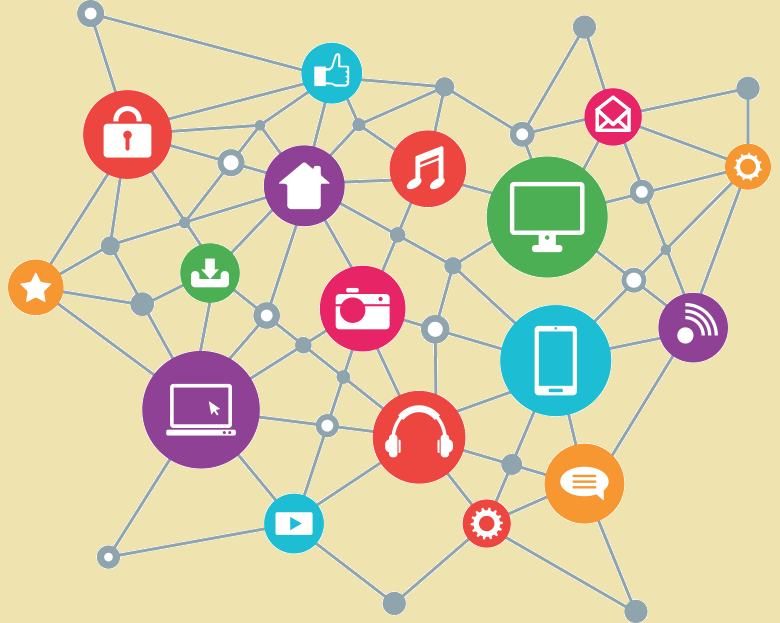
En 2016 te hablamos sobre tecnologías como inteligencia artificial, internet de las cosas (IdC), impresión 3D, ponibles, macrodatos, visión computacional, experiencia ambiental de usuario, entre otras tendencias del mundo científico-tecnológico. Este #MdCTI —el primero de 2017— abordaremos una tecnología que afecta todas las anteriores y se perfila como un parteaguas en la esfera de los avances tecnológicos. Nos referimos a la malla de dispositivos (device mesh), identificada por la prestigiosa empresa consultora Gartner como la principal tendencia tecnológica estratégica de 2016-2020. ¿Por qué es tan importante y cómo afectará tu vida diaria esta peculiar inteligencia artificial (IA)? Bueno, pues personalizará el mundo para nosotros y pondrá todos los datos que necesitamos al alcance de nuestras manos para facilitar la toma de decisiones. Las aplicaciones móviles no volverán a ser las mismas: ¡bienvenido a la era postmóvil! Hoy día estamos acostumbrados a que la interacción se centre en determinados dispositivos móviles que, a lo sumo y gracias a la nube, nos permiten acceder a información que nosotros mismos hayamos generado o guardado en ella (multimedia, documentos, contactos…). La malla de dispositivos pretende cambiar esto: los puntos finales (dispositivos móviles, celulares inteligentes, ponibles, electrodomésticos, automóviles y sensores del IdC en general y muchos otros dispositivos que usamos para acceder a información y aplicaciones) girarán en torno al individuo. Se habilitarán todos los puntos finales para que interactúen unos con otros, que compartan información y sean capaces de presentarnos soluciones e incluso tomar decisiones por sí solos con base en el minucioso análisis de nuestro comportamiento (cuáles dispositivos usamos, cómo, cuándo, para qué…). Las implicaciones irán desde olvidarnos de si debemos comprar leche o cuándo debemos llevar el auto al servicio hasta modificar el tratamiento de un paciente o advertirle y tomar medidas precautorias cuando se encuentre en las etapas tempranas de una apoplejía o un ataque cardiaco. Esta evolución de la era móvil implica el despliegue de los puntos finales, durante la era postmóvil se le dará mayor sentido a las interacciones usuario-máquina y máquina-máquina. Comúnmente y en primera instancia, las aplicaciones sólo interactúan su propio sistema dorsal final (el que implementa respuestas para lo que se inicia a través de lo que los puntos finales inician), la malla pretende que todos los puntos finales relacionados con un usuario puedan interactuar entre ellos, sin importar si pertenecen a un mismo sistema dorsal final o no. La más alta interactividad de la red de dispositivos permitirá mejorar la experiencia de usuario, incrementará el intercambio de información y optimizará flujos de trabajo. Gartner señala que esta nueva era traerá: «Una envolvente malla digital de máquinas inteligentes [que] conectará miles de millones de cosas en una experiencia digital continua». IA personalizada que mejorará la experiencia de usuario Gartner predice que para 2018 habrá seis mil millones de dispositivos conectados generando información masiva (se predicen veintiocho mil millones para 2021), y es ahí donde entran tanto el IdC como la malla, pues son presentados como la solución para hacer más seguros estos dispositivos interconectados y además para hacerlos más inteligentes y receptivos. «Al configurar dispositivos embebidos para actualizaciones de diseño automáticas, cambios de red y esquemas de aplicaciones, podemos fomentar aprendizaje automático, coordinación y adaptabilidad a ambientes basados en la nube», asegura. De acuerdo con Indusa: «Todo en la red de la malla digital produce, usa y transmite información con el solo objetivo de mejorar los estándares de la experiencia de usuario», información que va más allá de las versiones textual, visual y auditiva, pues incluye la sensorial y la contextual. Mediante el aprendizaje automático, se plantea la creación de sistemas que puedan aprender independientemente a «percibir la situación y comportarse de manera adecuada, reduciendo así la intervención humana a niveles mínimos, a fin de culminar en una refinada y pulida experiencia de usuario». Conforme estos dispositivos continúen recolectando más datos (como patrones de sueño y pasos dados cada día), continuarán volviéndose más y más inteligentes, proveyendo así una experiencia de usuario más simplificada y eficiente. Ubicuidad + continuidad + imperceptibilidad + IA = un mundo de posibilidades Se proyecta que el aumento en el número de estos puntos de conexión traerá consigo una continua y ubicua red de conectividad o malla alrededor de los individuos. Es una oportunidad única para profesionales de diversos ámbitos, pues los faculta para mejorar los servicios ofertados a sus clientes, así como la organización y el rendimiento de sus empleados. Se proyecta que la malla impacte en ámbitos como: Electrodomésticos. Facilitar una arquitectura informática que supervise y monitoree un servidor de aparatos domésticos posibilitará que los consumidores establezcan apagado / encendido de manera precisa, lo que ayudará sustancialmente para el ahorro energético. Asistencia médica. La intercompatibilidad de dispositivos médicos será auxiliar para el monitoreo remoto de pacientes y el acceso seguro a expedientes médicos, a fin de vigorizar el sistema del sector de salud en general. Manejo del tráfico. Semáforos inteligentes e infraestructuras de control tendrán la habilidad de dar un vistazo a circunstancias reales por sí solos. De hecho, la gestión autónoma de intersecciones es un concepto que hace a los vehículos lo suficientemente inteligentes para desacelerar o acelerar de acuerdo con las señales recibidas desde los sensores. Industria hotelera y de viaje. El uso de un flujo coordinado de información entre varios dispositivos (aires acondicionados, máquinas dispensadoras de café…) será un sistema que podrá reaccionar según cambien las circunstancias. Casi todas las tecnologías determinantes para los años venideros (señaladas por el Instituto Tecnológico de Massachusetts, el Foro Económico Mundial o la Feria de Electrónica de Consumo) tienen en común que son, están compuestas o son ayudadas por dispositivos que continuamente envían y reciben información mediante sensores o algoritmos. En general, tanto los ponibles como la realidad virtual y la aumentada son señalados como grandes áreas de desarrollo y surgimiento. ¡Pero cómo encajar en la malla sin ser víctima de un ciberataque… o del mercado? Ahora bien, dado que se trata de una tecnología emergente, aún no está lo suficientemente madura para su implementación masiva inmediata, actualmente los
Ingresan estudiantes sinaloenses al proyecto ALICE
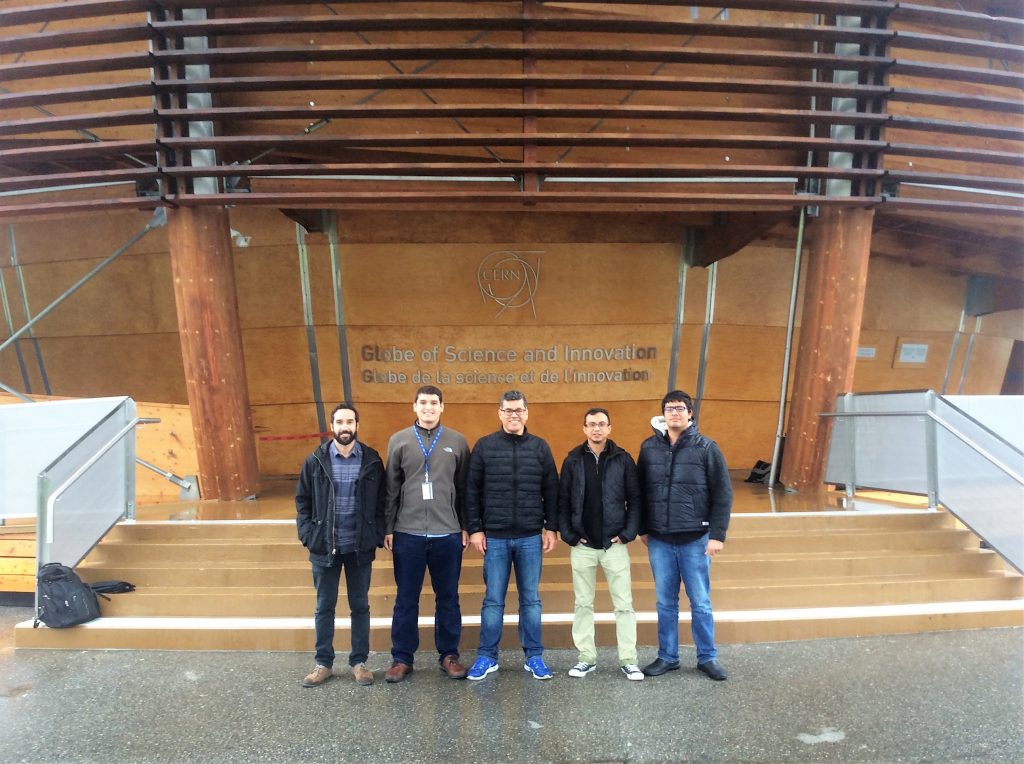
El proyecto ALICE, del Gran Colisionador de Hadrones (LHC, por sus siglas en inglés), de la Organización Europea para la Investigación Nuclear (CERN), en Suiza, cuenta con aportaciones de jóvenes estudiantes de maestría, doctorado y recientemente se sumaron también estudiantes de licenciatura. El líder del proyecto, el doctor Ildefonso León Monzón, científico de la Universidad Autónoma de Sinaloa (UAS) y nivel II del Sistema Nacional de Investigadores (SNI), comentó que los jóvenes participan en la parte de electrónica, de análisis de datos, física, desarrollo de software, entre otros. Señaló que el involucramiento de más jóvenes es una estrategia para integrar a la mayor cantidad de gente joven y talentosa a proyectos de gran alcance internacional, como ALICE. “Estoy convencido de que el talento está en cualquier lugar y de dar la oportunidad a los jóvenes para que se integren y tomen una responsabilidad en el proyecto. Hay jóvenes de licenciatura, a ellos los involucraremos desde ya, con tareas muy puntuales”, dijo. El proyecto ALICE El detector ALICE (A Large Ion Collider Experiment) fue diseñado, construido y operado para la colisión de iones pesados. Participaron mexicanos, entre ellos sinaloenses como León Monzón. El objetivo del experimento es estudiar los fenómenos que se producen cuando miles de choques de partículas reproduzcan las condiciones de los primeros momentos del universo. Entre los principales resultados del proyecto ALICE se encuentra el descubrimiento del universo líquido, que antes se pensaba gaseoso. Según León Monzón, algunos estudiantes ofrecen soluciones a problemas en esta investigación. “En reuniones sobre los proyectos posibles para el 2022, está un tema que requiere de los detectores que hemos instalado para ver un proceso del bosón de Higgs. Será la primera vez que se ve la creación del bosón de Higgs con partículas similares, más exóticas, en los procesos que llamamos difractivos. Ahí es donde estudiantes, como Solangel, se encuentran involucrados”, comentó. Los estudiantes Arturo Fernández Arturo Fernández Jaramillo tiene 30 años de edad, estudia el doctorado en la Universidad Politécnica de Sinaloa (Upsin). Es originario de Mazatlán y colabora en la parte de electrónica. “Es la primera vez que vengo al experimento, pero ya tenía contacto con el doctor León desde hace un año. Me encargo de unas tarjetas electrónicas y de revisar diseños para ver si es posible mejorarlos, pues adquieren distintos fenómenos dentro del experimento”, señaló. Rafael Narcio Rafael Ángel Narcio Laveaga es de Mazatlán, tiene 21 años y es estudiante de licenciatura en la Upsin. Participa en la adquisición de datos de algunos de los detectores del experimento ALICE. “Es necesario que los jóvenes se involucren en estas áreas de investigación”, comentó. Luis Torres Luis Fernando Torres Avitia nació en Culiacán, tiene 21 años y es estudiante de la UAS. “Participo en la parte electrónica, en el análisis de algunas tarjetas de adquisición de datos para ver si se pueden mejorar. También apoyamos a personas encargadas de realizar simulaciones en el experimento”, dijo. Solangel Rojas Solangel Rojas Torres tiene 28 años, es originario de Mazatlán y es estudiante de doctorado de la Facultad de Ciencias Físico Matemáticas (FCFM) de la UAS. Colabora desde hace dos años y medio en el CERN. “Participo desde la maestría. Actualmente trabajo sobre datos que obtuvimos en una prueba de haces en el detector instalado en el experimento. Trabajo sobre el análisis de los datos de las colisiones en el experimento”, comentó. El nivel de participación alcanzado por Solangel Rojas es elevado. A decir de León Monzón, el joven es considerado “el caballo de batalla” del experimento. “Él está prácticamente en todas las actividades. Su principal tarea es sobre el desempeño del detector que construyó la UAS en colaboración con el Cinvestav. Para el futuro, planeamos que Solangel haga una estancia de un año para el análisis de los datos del 2016. Ese es el nivel de responsabilidades que van dictando el nivel de participación de las diferentes instituciones”, anunció. Otro estudiante involucrado en el proyecto es Juan Carlos Cabanillas Noris, de la Facultad de Informática de la UAS, quien desarrolla software para el control de los detectores. Participación hasta el 2022 Debido a las aportaciones realizadas, el equipo sinaloense logró extender su participación hasta el año 2022, por lo que el investigador considera que es necesario que en la entidad y el país se apueste a la ciencia de frontera. “Tenemos un plan y lo hemos conversado con la UAS y con colegas de otras instituciones del país: México requiere la tecnología de aceleradores. Si queremos aspirar a ciencia de alto nivel, de última frontera, necesitamos involucrarnos en los proyectos de frontera. No podemos aspirar a estar en la frontera del conocimiento sin crear proyectos en el país con ciencia de frontera”, indicó. Un acelerador para Sinaloa León Monzón dijo que la UAS busca la creación de tecnología de aceleradores, por lo que se requiere de más investigaciones de alto nivel. Anunció que próximamente se analizará la posibilidad de crear un acelerador para Sinaloa, para beneficio de la agricultura. “Inicialmente se trata de tener un acelerador de protones, un acelerador lineal”, comentó. Janneth Aldecoa, (Agencia Informativa Conacyt).
The device mesh of mobile devices, that ubiquitous, continuous and imperceptible AI that promises to make easier your daily life
In 2016 we talked about technologies such as artificial intelligence, internet of things (IoT), 3D printing, wearables, big data, computational vision, user’s environmental experience, among other tendencies of the scientific-technological world. This #MdCTI —the first of 2017— we will address a technology that affects all the others mentioned above and is emerging as a watershed in the technological advances sphere. We are talking about the device mesh, identified by the prestigious consulting company Gartner as the main technology trend for 2016-2020. Why is it so important and how will this peculiar artificial intelligence (AI) affect your daily life? Well, because it will personalize the world for us and will put in our hands all the data we need in order to turn the decision making easier. Mobile applications won’t be the same: welcome to the post-mobile era! Nowadays we are used to an interaction centred in some mobile devices that, at most and thanks to the cloud, allows us to access to information we have generated or saved in it (multimedia, documents, contacts…). The device mesh pretends to change this: end-points (mobile devices, smartphones, electrical appliances, automobiles, IoT sensors in general and many other devices we use to access to information and applications) will revolve around the individual. All the end-points will be enabled so they can interact with each other, share information and be capable of present solutions and even make decisions by themselves based on the meticulous analysis of our behaviour (which devices we use, how, when, why…). The implications will range from forget if we must buy milk o when we should take the car to service, to even modify the treatment of a patient or warn and take precautions when he or she is in an early stage of a stroke or a heart attack. This evolution of the mobile era implies deploying the end-points, during the post-mobile era interactions user-machine and machine-machine will be given more sense. Commonly and on first instance, applications only interact with their own back-end system (the one that implements answers for what is initiated through what the end-points start), the mesh pretends all the end-points related with an user to interact between them, regardless whether they belong to the same back-end system or not. The highest interactivity of the network of devices will allow improving the user’s experience, it will increase the exchange of information and will optimize the work flow. Gartner points out that this new era will bring: «An evolving digital mesh of smart machines [that] will connect billions of things into a continuous digital experience». Personalized AI that will improve the user’s experience Gartner predicts that by 2018 there will be six billion of connected devices generating massive information (twenty-eight billions are predicted to 2021), and that is where both the IoT and the mesh come in, because they are presented as the solution to make this interconnected devices safer and also to make them smarter and receptive. «By configuring embedded devices to automatic design updates, network changes and application outlines, we can encourage machine learning, coordination and adaptability to cloud-based environments», they assure. According with Indusa: «Everything in the network of digital mesh produces, uses, and transmits information with the sole objective of upgrading the user experience standards», information that goes beyond the textual, visual and aural versions, because it includes sensorial and contextual. Through machine learning, the idea is to «create systems that can independently learn to perceive the situation and behave in an appropriate manner, directly reducing human intervention to minimalistic levels culminating a refined and sleek user experience». As these devices continue to collect more data (such as dreams patterns and the steps we make every day), they will continue getting more and more smart, thus providing a user experience more simple and efficient. Ubiquity + continuity + imperceptibly + AI = a world of possibilities It is projected that the increase in the number of these connection points will bring along a continuous and ubiquitous connectivity network or mesh around the individuals. It is a unique opportunity for professionals in different fields, as it empowers them to improve the services offered to their clients, like the organization and their employees‘ performance. It is projected that a mesh impact in fields such as: Electrical appliances. Making easier a computer architecture that supervise and monitor a server of domestic devices will make possible that the consumer establish off/on in a proper way, which will substantially help to save energy. Medical assistance. Inter-compatibility of medical devices will be auxiliary for remote monitoring of patients and safe access to medical records, in order to invigorate the health system sector in general. Traffic management. Intelligent traffic lights and control infrastructures will have the ability to take a look at real circumstances on their own. In fact, the autonomous management of intersections is a concept that makes vehicles smart enough to slow down or speed up according to the signals received from the sensors. Hotel and travel industry. The use of a coordinated flow between various devices (air conditioners, coffee makers…) will be a system that could react according to circumstances. Almost all determinant technologies for the years to come (pointed out by the Massachusetts Institute of Technology, the World Economic Forum or the International Consumer Electronics Show) have in common that they are composed or are helped by devices and continuously send and receive information through sensors or algorithms. In general, both wearables and virtual and augmented realities are signalled as great areas of development and emergence. But how to fit in the mesh without being victim of a cyber or market attack?! Now, given that we are talking about an emergent technology, it is not mature enough for its immediate massive implementation, these days the benefits are still outweighed by the risks, particularly in security and privacy matters. This paradigm of interconnection and interaction, by connecting a lot of devices, brings along management and security problems; both the information and the
Sinaloa students join the ALICE project
ALICE project of the Large Hadron Collider (LHC), belonging to the European Organization for Nuclear Research (CERN), in Switzerland, counts on contributions from young master and doctorate and undergraduate students. The project leader, PhD Ildefonso León Monzón, scientist of the Autonomous University of Sinaloa (UAS, Universidad Autónoma de Sinaloa) and level ll of the National System of Researchers (SNI, Sistema Nacional de Investigadores), commented that these young students are participating in electronics, data analysis, physics, software development, among others areas. He pointed out that the involvement of younger people is a strategy to integrate as much young and talented people as possible to large international projects, like ALICE. «I’m convinced that talent is everywhere and to give this opportunity to youngsters so they can integrate and take responsibility in the project. There are undergraduate youths, we will involve them since now, with very punctual tasks», he said. ALICE project The ALICE detector (A Large Ion Collider Experiment) was designed, built and operated for the collision of heavy ions, Mexicans participated, among them people from Sinaloa such as León Monzón. The objective of the experiment was to study the phenomena produced when thousands of particles collisions reproduce the conditions of the universe first moments. Among the main results of the ALICE project is the discovery of the liquid universe, previously thought to be gaseous. According to León Monzón, some students offer solutions to problems in this research. «In meetings about possible projects for 2022, there is a topic that requires of the detectors we have installed to see a process of the Higgs boson. It will be the first time that the creation of the Higgs boson with similar particles, more exotic, is seen, in the processes we call diffractive. There is where students, like Solangel, are involved», he said. The students Arturo Fernández Arturo Fernández Jaramillo is 30 years old, he is doing the doctorate at the Polytechnic University of Sinaloa (Upsin, Universidad Politécnica de Sinaloa). He is originally from Mazatlán and collaborates in the electronic part. «It is the first time I come to the experiment, but I have been in contact with PhD León for a year. I’m in charge of some electronic cards and to review designs to see if it is possible to improve them, because they acquire different phenomena within the experiment», he pointed out. Rafael Narcio Rafael Ángel Narcio Laveaga is from Mazatlán and is 21 years old, he is an undergraduate in the Upsin. He is participating in the data acquirement of some ALICE detectors. «It is necessary that young people get involved in these areas of research», he commented. Luis Torres Luis Fernando Torres Avitia was born in Culiacán, he is 21 years old and is a student in UAS. «I’m participating in the electronic part, in the analysis of some acquisition cards of data to see if they can be improved. We also support people in charge of making simulations of the experiment», he said. Solangel Rojas Solangel Rojas Torres is 28 years old, he is from Mazatlán and is a doctorate student in the Faculty of Physical-Mathematical Sciences of UAS. He has now been collaborating for two years and a half with CERN. «I participate since I was doing my master. Currently I work over data we obtained in a test of beams in the detector installed in the experiment. I work over the analysis of data of collisions in the experiment», he said. The level of participation Solangel Rojas has reached is elevated. According to León Monzón, Solangel is considered as the experiment’s «war horse». «He is practically in every activity. His main task is about the performance of the detector that UAS built in collaboration with Cinvestav. For the future, we plan that Solangel do a yearlong internship for the analysis of 2016 data. This is the level of responsibility that dictate the level of participation of different institutions», he announced. Another student involved in the project is Juan Carlos Cabanillas Noris, from the Faculty of Informatics of UAS, who develops software for the control of the detectors. Participation until 2022 Due to the contributions realized, the Sinaloa team managed to extend their participation until the year 2022, reason why the researcher considers necessary, in the state and country, to bet for the frontier sciences. «We have a plan and we have talked about it with the UAS and with colleagues from other institutions: Mexico requires the accelerators technology . If we want to aspire to high-level science, of last frontier, we need to be involved with frontier projects. We cannot aspire to be in the knowledge frontier without creating in the country projects with frontier science», he said. An accelerator for Sinaloa León Monzón said that the UAS aims to the creation of accelerator technology, that is why more high-level researchers are required. He announced that soon will be analysed the possibility of creating an accelerator for Sinaloa, for the benefit of agriculture. «Initially it is about having a proton accelerator, a lineal accelerator», he commented. Written by Janneth Aldecoa (Conacyt Informattive Agency), translated by Belem Ruiz (Edition and Communication, PIT-UAS).
User’s environmental experience: technological models to perceive other realities and to «augment» one’s own
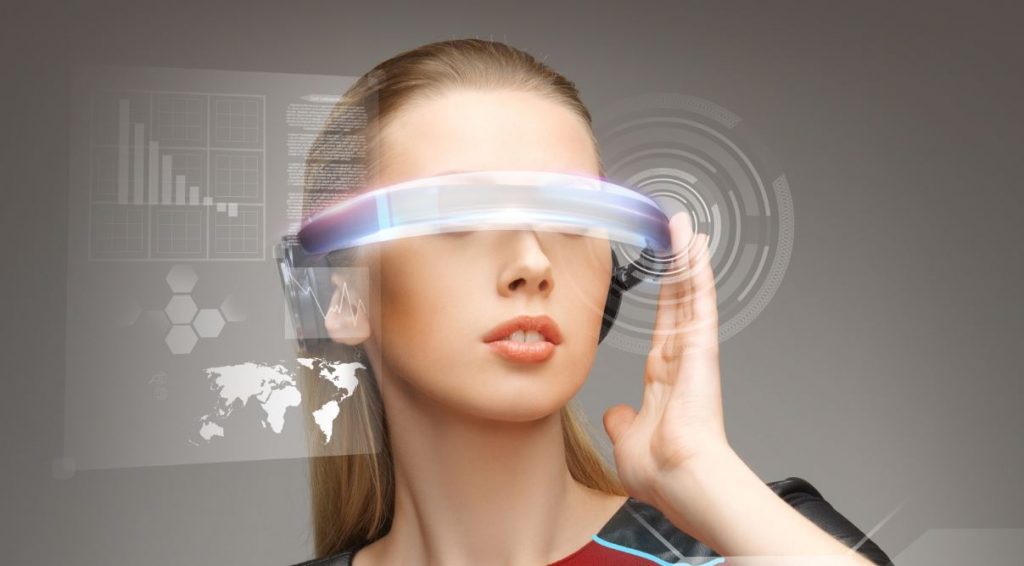
We live in a time in which the constant renewal of the models and products born from innovation become a main directional motor of the technological market tendencies. Among the suppliers assigned to the electronic industry of the market, some issues such as design outline and product manufacture, development of avant-garde electronic systems, monitoring of the consumers’ tendencies, among others, become fundamental. In short, we have built up the possibilities of recreating the extraordinary: open the doors to new worlds through virtual reality; we have come to the point where it is inconceivable to understand our contemporary life apart from the roots of technology. This way, when it comes to imagine an experience that fulfills the possible expectations of the user, the industry projects a constant renewal of the electronic products that are appearing in the market; this, with the firm purpose of not being left out of the technological innovation scene and the prevailing modernization. What is the user’s environmental experience? The electronic experts understand the «user’s environmental experience» as the result of the individual interaction with a network of technological devices that amplify the perception of a recreated reality from a virtual plane. From this renewing tool, concepts such as «virtual reality» or «augmented reality» have marked a growing tendency in the field of technological innovation. In this sense, we are starting witness a movement from the physical and real space into an essentially virtual perspective. What are virtual reality and augmented reality? Attending to this purpose, it is necessary to explain these two twinned concepts within the branches of computer science, concepts that help to efficiently understand the roots of the user’s environmental experience: Virtual reality. This is a computer model that generates images of special constructions simulated in real time. The visual illusion that can be developed by the individual plays an important role within this representation. At the same time, the construction of virtual scenes and the user’s ability to move inside this illusory space give a unique and unbeatable experience. In addition, virtual reality owns different applications within the field of cultural heritage reconstruction (through virtual restoration of ancient pieces for their proper study), medicine and anatomy (to elaborate efficient diagnostics based on the virtual simulation of the human body), as well in the simulation of extreme situations in order to treat patients with phobias, anxiety disorders, also in other proper physiologic studies. Augmented reality. It is the result of combining the real world vision with some virtual recreations framed within a computer procedure. Augmented reality can be found in videogames, three-dimensional projections (3D), virtual fitting rooms, among other interesting utilities. That way, its essential objective resides in offering a visual experience that transcend the everyday life plane. Utilities on sight within the user’s environmental experience Although some interactive properties to be develop within this technological tool have not yet been materialized, some specialists have projected future possible products and services in the work sphere and in entertainment that may be produce through an innovative conception. For this, marketing experts investigate possible viable paths in the design and manufacture of systems that promise this experience. Within the digital field, there is a mobile application under development, which is designed to allow users to watch TV shows and movies at the same time that offers the possibility to inform curiosities and facts about the film in real time. For their part, some private companies have looked to develop applications that monitor projects and interact with employees regarding tasks planning. It is even known that there are already in the market some models that give you the opportunity to transport the user to a virtual reality system from a mobile screen to specialized helmets of visual and auditory perception. Some university institutions have moved different resources in benefit of the research and manufacture of some of these technological objects. Purpose of the user’s environmental experience As far as it concerns to the user’s environmental experience, several key issues must be taken into account, such as the organization of space within the virtual recreation, the correct choice of elements put into play within the visual simulation that help to wake up sensation in the individual, also the aesthetic conception of the computer system. Thus, the user will be able to enjoy a nice experience within the new framework of innovation. In conclusion, the user’s environmental experience recognizes new facets in the observation of our real environment: it allows to explore figuratively inhospitable grounds from the comfort of home. At the same time, offers a superior degree of interaction with the innovation of virtual reality. Summed up, environmental experience is an innovative computer window to new worlds. Written by Andrés Márquez (Communication and Diffusion, PIT-UAS), translated by Belem Ruiz (Edition and Communication, PIT-UAS).