The PIT-UAS will participate in the 33rd World Conference of the IASP
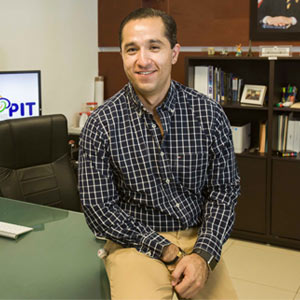
With the paper An innovation and knowledge transfer network to enhance scientific-technological capabilities and the impact of applied research projects as a tool to improve the country’s competiveness (México), the General Director of the Technological Innovation Park (PIT) of the Autonomous University of Sinaloa (UAS) will participate in the 33rd World Conference of the International Association of Science Parks and Areas of Innovation (IASP). Master of Business Administration José Ramón López Arellano specified that this event will be carried out in Moscow (Russia), from September 22nd to 27th, and the UAS, through its centre for technological innovation, will become the first Mexican institution presenting a paper before the IASP. «Our work was accepted because it seemed to them [the organizers] a good proposal: we expressed the great practices of research projects within an university park in developing countries; model that may be replicated and launched in Latin America countries», explained. López Arellano informed that since last year, jointly with other national universities, the PIT-UAS has been working 10 diverse projects of applied research, collaborative researches which also were decisive factors for this paper to be included in the 2016 programme of the aforementioned world conference. Regarding such linkage with other national technological parks —of which there are few in Mexico—, he emphasised that currently the PIT-UAS is working with the universities of Juárez, Tabasco, San Luis Potosí, Querétaro, Michoacán and Chiapas; the MBA also commented that an approach with the University of Sonora has already been made. The General Director of this university area detailed that in past months the institution he presides received the certification as affiliate member of the IASP, thanks to which the UAS turned into the first Mexican public institution incorporated to the association. Nowadays, the IASP is formed by 398 members belonging to 74 countries, affiliates among which are counted the 42 registered universities; these nations, together, have around one hundred and twenty-eight thousand innovative companies. Source: http://dcs.uas.edu.mx/index.php?sec=3&op=2&tipo=i&id_noticia=6550 translated by Belem Ruiz (Edition and Communication, PIT-UAS).
2016 Cleantech Challenge Mexico press conference is carried out at the PIT-UAS
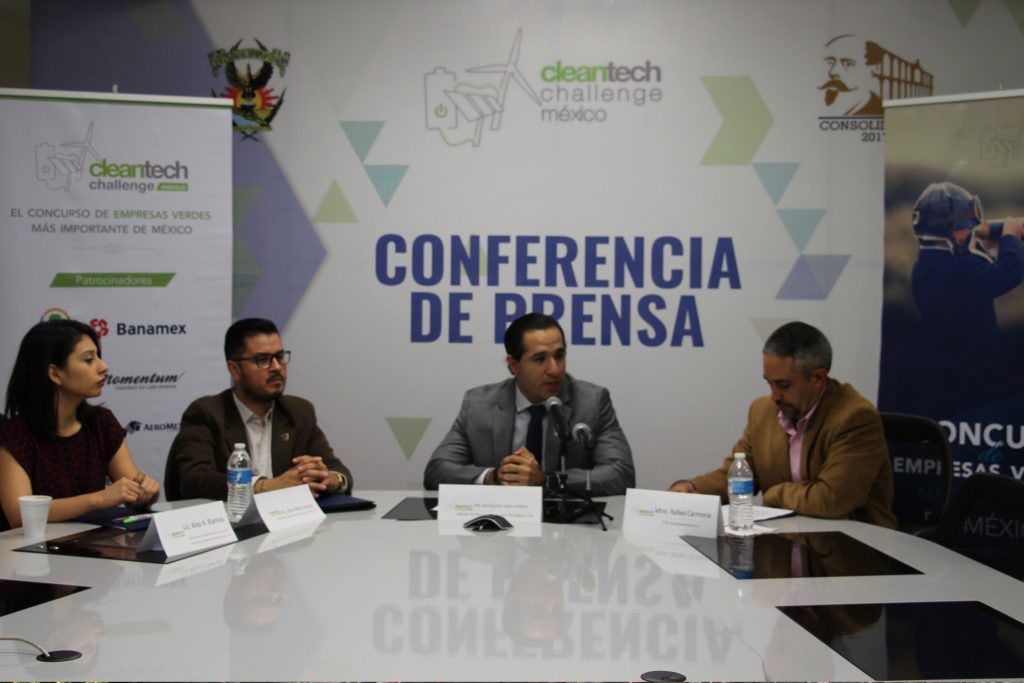
This Monday 22nd February of 2016 was carried out, at the Videoconferences Hall of the Technological Innovation Park (PIT) of the Autonomous University of Sinaloa (UAS), a press conference to present the 2016 edition of the Cleantech Challenge Mexico call. It is the most important green enterprises competition of the country, which encourages economic development through sustainable innovation and entrepreneurship in matters of clean technologies. To the event were invited university authorities, researchers, entrepreneurs, startups and people who have identified, produced, used or promoted clean technologies that help to minimize the impact on the environment, technologies with the potential to be adapted as a business idea to be developed with commercial purposes. Among the attendees to the press conference were university members like José Ramón López Arellano, on his role of PIT-UAS’ General Director and on behalf of the Rector, Juan Eulogio Guerra Liera; Omar Beltrán Zazueta, Director of the Quality Management System; Alep Blancas, belonging to the External Affairs & International Relations Office. Also Rafael Carmona was present, as Technology Director of the enterprise Green Momentum and organiser of the 2016 Cleantech Challenge Mexico. During his participation, Rafael Carmona detailed: «… in previous years, the participation of Sinaloa state has been scant, and that is part of what we want to change… Surely, with the University’s participation, Sinaloa will have a greater presence [in the Cleantech Challenge Mexico]». For his part, the General Director of the PIT-UAS emphasised: «Within the Plan of Institutional Development Consolidation 2017 is expressed, as part of one of its core ideas, the objective of encouraging business and entrepreneurship culture; and with this purpose conversations have been initiated with the faculties, so they can collaborate in different applied projects». Likewise, he recalled the institutional compromise of consolidating this institution of higher education as a green university. In this way is recognised the importance of the role the PIT-UAS has in Sinaloa for the incorporation of renewables technologies to daily life, as this university centre for innovation has demonstrated through its project Smart Eco-Park PIT-UAS, which consists of the innovative design and implementation of a building prototype that ingrates models oriented to incorporate both sustainability and the Internet of Things in urban complexes. To obtain more information about the Cleantech Challenge Mexico, you can visit: http://innovacion.uas.edu.mx/2016/02/22/a-traves-del-pit-participa-la-uas-en-el-cleantech-challenge-mexico-2016/. Written by Moroni Arellano (Communication and Diffusion, PIT-UAS), translated by Belem Ruiz (Edition and Communication, PIT-UAS).
PIT-UAS’ General Director will develop in Germany a project on applied research
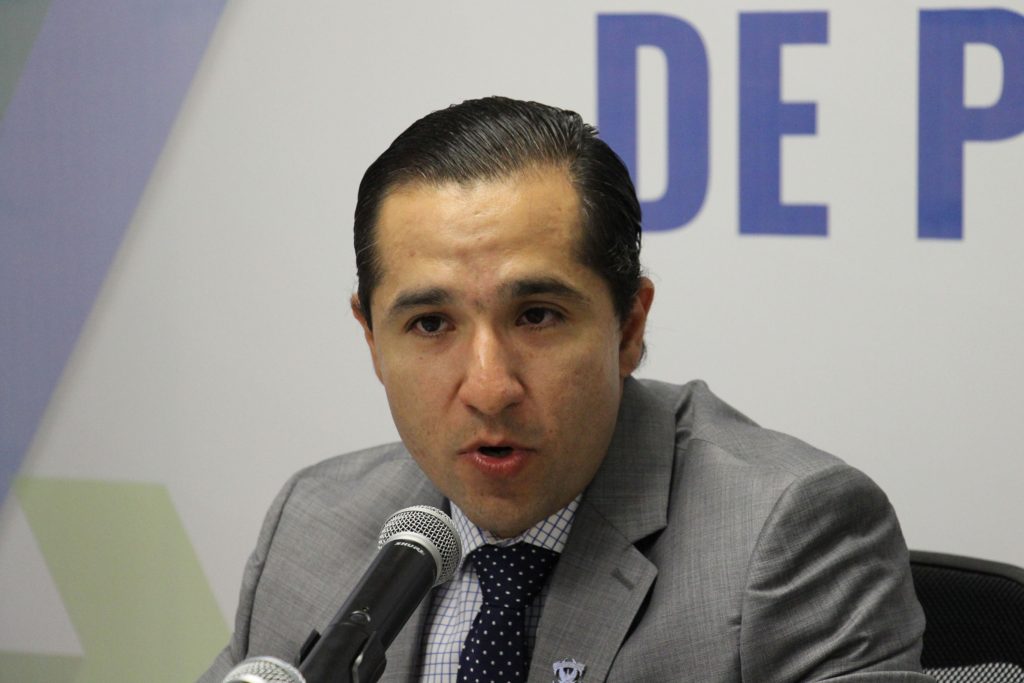
The General Director of the Technological Innovation Park (PIT), belonging to the Autonomous University of Sinaloa (UAS), obtained a scholarship from the Intensive Blended Learning University Leadership and Management Training Programme (UNILEAD), which is proper to the Carl Von Ossietzky University (Oldenburg, Germany). The master of Business Administration José Ramón López Arellano specified that his work, Internal administration of applied research projects, was 1 of the 25 chosen, among the 400 international proposals that were sent. In addition, just two Mexican universities were accepted in the programme and the UAS is the only public institution of higher education in. «The objective is to promote innovative projects in the field of organizational and administrative development … Specifically in my case, the research I’m going to participate with is about internal administration within the framework of applied research projects, in developing countries», declared. He explained the transcendence of such initiative, due to the great experience of the Carl Von Ossietzky University, internationally one of the most important in projects administration issues, field this institution has being working already for over thirty years. The MBA emphasised that coursing this academic programme will serve so, in a near future, a culture of applied research is promoted within the UAS, as well as relationships with national industry, intellectual property and, also, an academic culture of entrepreneurship and intra-entrepreneurship for the creation of new sustainable technology- based enterprises. López Arellano mentioned that the UNILEAD is going to have a duration of 10 months, during which he will work online; in complementation, he will make two stays and the first one is to be carried out from February 28th to March 18th: «We are going there to adjust the project; and we will continue applying the recommendations they are going to give us. Then, on September we will go back to Germany to expound the final project», detailed. Finally, it is noteworthy that the expenses of research and academic stays in Germany are paid by the institutions that jointly develop the initiative: Carl Von Ossietzky University, German Academic Exchange Service and Nelson Mandela Metropolitan University. Written and Translated by Belem Ruiz (Edition and Communication, PIT-UAS).
The UAS, through its PIT, is going to participate in the 2016 Cleantech Challenge Mexico

Cleantech Challenge Mexico (CTCM) is the most important competition of green enterprises in Mexico, which on its seventh annual edition continues promoting economic development by means of sustainable innovation and entrepreneurship in matters of clean technology. CTCM counts on an acceleration open process focused on promoting the commercial scaling and the development of technical, commercial and business abilities of young and new entrepreneurs; besides, via the linkage with different national and international actors, CTCM functions as a platform for the strengthening of enterprises that generate clean technology. Among its objectives stand out creating, strengthening and financing technological innovation enterprises, as well as protecting, licensing and commercialising Mexican clean technology, with the purpose of offering a productive alternative to reach the country’s sustainable prosperity. The 2016 edition of CTCM includes two categories: Cleantech Innovation Challenge: intended for projects in early stages, generating prototypes and still without commercializing their technologies. Cleantech Startups Challenge: may participate startups that have being invoicing for at least a year; the best projects of the abovementioned category will incorporate to this one. Additionally and for the first time, within the framework of a last phase which will be international, entrepreneurs and former participants from all over the world will be received in order to create networking, so markets can be opened in other parts of the globe, through the Cleantech Global Challenge. CTCM is distinguished by working in the strengthening of all the selected projects, through multiple benefits, such as networking events and continuous training during five months; meanwhile, semi-finalists receive specialized consultancy and follow-up. The finalists have the opportunity of winning several prizes, among which are an amount of $250,000 Mexican pesos, postgraduate scholarships, consultancy hours, international stays, and also the opportunity of receiving an inversion by private funds with a co-investment capacity of up to $30 million dollars. The impact generated by CTCM in the past six years —thanks to which it has been consolidated as a motor of economic development— are: 3633 received proposals from all the country. 847 projects have gone through our process. We have attended 3902 entrepreneurs. We helped for the creation of 381 enterprises. Approximately five thousand and three hundred jobs have been generated. 316 industrial property applications have been supported. Source: Cleantech Challenge, translated by Belem Ruiz (Edition and Communication, PIT-UAS).
At the PIT-UAS is developed mobile app for smart parking lot prototype

As part of the Smart Eco-Park PIT-UAS project, which consists on the innovative design and implementation of a building prototype that integrates diverse models oriented to incorporate both sustainability and the Internet of Things (IoT) in urban complexes, an homonymous mobile application has been developed, such app complements the functions of the high technology parking lot built in the facilities of the Technological Innovation Park (PIT, Parque de Innovación Tecnológica), belonging to the Autonomous University of Sinaloa (UAS, Universidad Autónoma de Sinaloa). The aforementioned mobile application fulfils three functions, allowing the users to: 1) control vehicular access remotely, 2) visualise the location of available parking spaces in the high technology parking lot, in the previous moments of the arrival to the place, 3) automatize the vehicular access, by lifting, via mobile telephone, the parking lot’s electric barrier gate. Therefore, with this system the ingress of automobiles is secured to be controlled and organized. Thanks to the IoT’s incorporation to its functioning, such system offers the possibility of knowing in real time, even previously to the ingress in the parking lot, the availability of the parking spaces. This, through an interactive map that shows the information about the occupied and available spaces. Smart Eco-Park is nowadays executed in this university research center and its design and implementation were on charge of an interdisciplinary team composed of a software architect, programmers, graphic designers, electronic engineers, among other specialists. By last, it is noteworthy that the interdisciplinary collaboration, one of the PIT-UAS’ methodological pillars, facilitates the execution of such innovative sustainable project, same which sets the technological basis for its implementation on a broad scale and marks the beginning of its adoption in Sinaloa and in Mexico. Written and translated by Belem Ruiz (Edition and Communication, PIT-UAS).
The role of global warming in the emergence and spread of epidemics

The scientist, member of the University of Bath’s Department of Biology and Biochemistry, specified that he is dedicated to the research about Salmonella because it is the main pathogen associated with foods in the world, and detailed: «I began working in the detection, and from detection, to the characterization, and then to the molecular epidemiology, and now we are doing genomics». As for the Vibrio: «… it seems to me that this is a fascinating bacteria, because Vibrio is an organism that naturally lives in the marine environment, and suddenly certain specific populations cause diseases. Nobody understands why a bacteria which is normal and lives in the environment becomes pathogen and suddenly can cause an epidemic; and, despite all the years of research and efforts, it still cannot be clearly understood». In his article «Climate change and pathogens in the water: El Niño phenomenon and its impact in health» he emphasizes the irreversibility of the climate change originated by the global warming produced by human activities and he writes about the possibility of, based on his researches, predicting new Vibrio outbreaks. To the express question about why predicting but not preventing, he explained: «We try to develop models that may predict the adequate conditions for the presence of the pathogen, if you are capable of anticipating and knowing when there are risk periods, you can implement measures and one of the most important measures is avoiding exposure: then, by avoiding people from exposure to this pathogen, you will reduce the infections. And through these measures you will reduce the total of infections’ cases, and that will beneficially affect not just in health but also in economy». Great part of this biochemist’s researches in diverse coasts and nearby areas in Africa and America (included the Mexican bay Todos Santos and the valley of Culiacán) are related to global warming. And, in this sense, it should be pointed out that, according to the Mexican Report of Climate Change, 46.2% of the 120 millions of Mexicans are currently enduring the effects of such phenomenon, among which is mentioned the diseases transmission, and it is emphasized that are precisely the coastal zones the more affected. Thus, Martínez-Urtaza shared part of his discoveries in the matter of the consequences that this phenomenon has on the emergence and spread of epidemics. «When we talk about climate change we always think in it in general terms, but the climate change has a very important impact regionally. Basically, some extreme weather events are pronounced, more intense rains and hotter temperature. Well, the combination of these two factors is going to influence the survival of these pathogens in the environment; and if they are going to live longer, they are going to be transmitted with greater ease. That is, more or less, the theoretical framework we work.» «What happens with the coasts? Well, if you work with Vibrio, this is a bacteria fond of warm environments and a low salinity, for example; when there is plenty of rain, sea’s salinity decreases and the climate change heats up the zones, thus the areas which are going to be propitious for those organisms to exist are going to broaden with climate change: those bacteria are going to appear in more places (which is what we are studying and detecting in our studies). In general terms, Vibrio diseases are spreading to the poles, reaching latitudes more to the North and the South; until some years ago, it was almost just in tropical and subtropical zones, and in the last researches we have finished, we have detected Vibrio associated diseases up to 60 miles from the Artic Circle.» The aforementioned Mexican Report of Climate Change emphasizes the fact that, despite the decades of scientific research about global warming, the information that reaches to Mexican population —which main source is the governmental sector— still insufficient and unreliable. Martínez-Urtaza declared that in order to improve such perception it is essential to divulge the scientific labor, and assured: «It is our function as scientists to be always trying to make the greatest divulge activities of our results and those works we are involved in; but it is also truth that our activity is so frenetic that we don’t have many opportunities for those matters. […] It must be recognized that it ain’t easy and the Governments don’t assemble the mechanisms so we can do this type of divulgations». Written and translated by Belem Ruiz (Edition and Communication, PIT-UAS).
Students from the FCA Badiraguato visit the PIT-UAS’ facilities
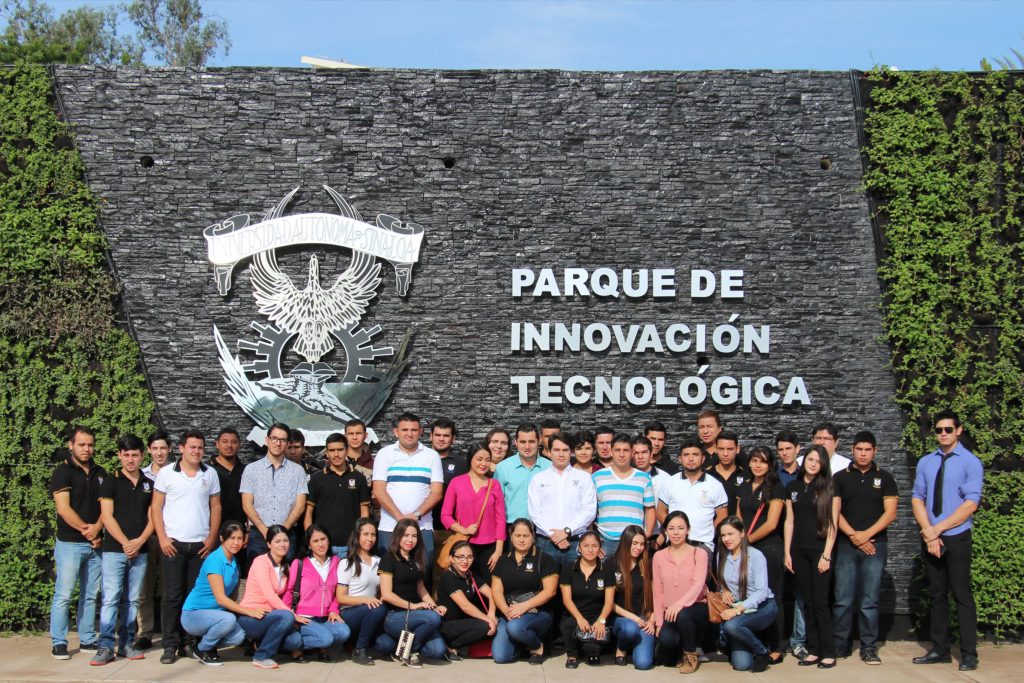
On Friday 11th of December, first year students from the Faculty of Accounting and Administration (FCA, Facultad de Contaduría y Administración), Badiraguato Extension, made an appointment in the facilities of the Technological Innovation Park (PIT, Parque de Innovación Tecnológica) of the Autonomous University of Sinaloa (UAS, Universidad Autónoma de Sinaloa), with the objective of knowing the Park’s facilities and getting information about the activities that are realized in it. As part of the explanation given at the beginning of the visit, the triple helix model’s meaning was told to the students, model that is part of the methodology adopted by the Park for its operation and the realization of applied science projects developed within its facilities: to combine efforts from the University, the private initiative and the Government’s three levels. During their visit, the 39 students were guided through the PIT-UAS’ different areas. This way, they knew the area Projects Development, were activities from the academic body Educative Innovation are carried out, within the framework of the Enterprises’ Administrative Development UAS-CA-288, which allows to FCA Culiacán’s students linking their projects by means of the PIT-UAS. Within this context, the visitors were invited to participate in the Park through innovation projects, same which may be developed with the support of federal funds and in linkage with the private initiative, thanks to the management that is part of the PIT-UAS’ duties as an organism in charge of promoting the implementation of the triple helix model. Written by Moroni Arellano (Communication and Diffusion, PIT-UAS), translated by Belem Ruiz (Edition and Communication, PIT-UAS).
PhD Martínez-Urtaza from the Milner Centre for Evolution emphasizes the importance of bioinformatics’ developing for Sinaloa’s economy
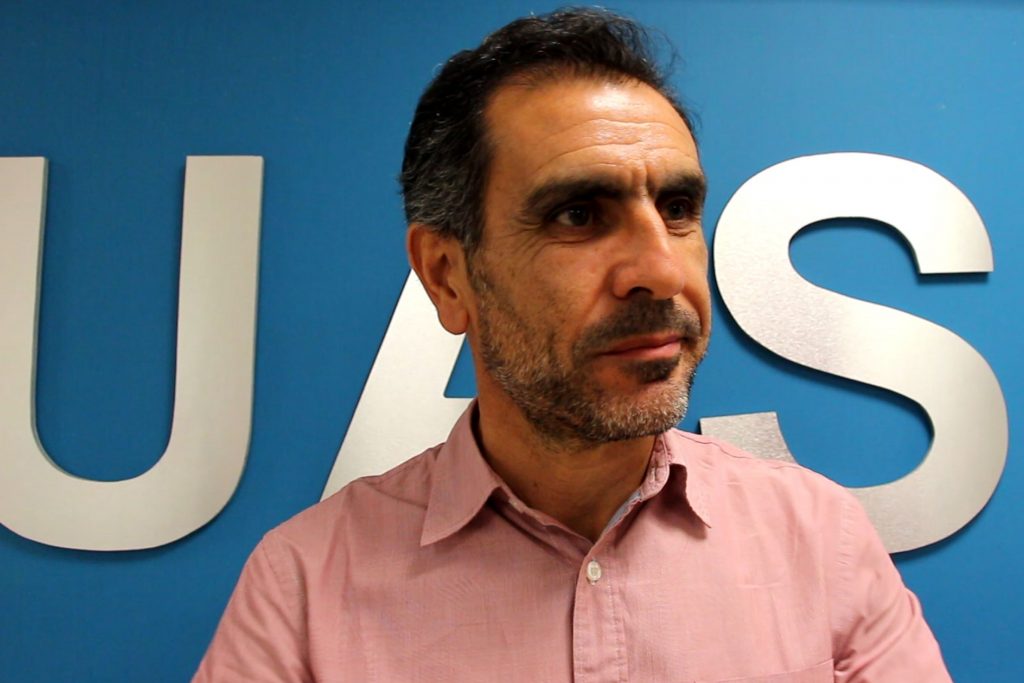
On Friday 4th of December, culminated the Course-workshop of Bioinformatical Tools for the Analysis of Bacterial Genomes in Ecology and Epidemiology, among which speakers was PhD Jaime Martínez-Urtaza from the Milner Centre for Evolution (University of Bath, United Kingdom), who participated with three conferences: Bacterial Genomes, Genomics in Epidemiology and Ecology, Modern Sequencing Technologies. In an exclusive interview, the PhD in Biochemistry and Molecular Biology by the University of Santiago de Compostela (Spain) talked about the importance of such themes and the pertinence of studying and applying bioinformatics in Sinaloa, besides broaching his work as a researcher of the effects climate change has on the emergence and spread of epidemics caused by Vibrio and Salmonella bacteria. The Spanish researcher specified that the course on bioinformatics carried out at the facilities of the Technological Innovation Park of the Autonomous University of Sinaloa was centered on the bacterial genomes because nowadays in the zone, particularly in Culiacán, there are many scientists working in the identification of pathogenic bacteria isolated from foods, researchers are sequencing bacteria genomes, without specialists on the analysis of such data: «And that was the reason we thought it was necessary to form a new generation of students or researchers that be capable of processing that information in order to use the most modern techniques of sequencing genomes that are being used today in the whole world». Regarding the impact had by modern technologies of sequencing in diverse science fields, he commented: «In every science field is having a tremendous impact, in clinical aspects, in hospitals… I work more on the subject of infectious diseases, and it is completely different. And, well, today every diagnosis and diseases’ following up are being made using these modern techniques of sequencing». In relation to the importance of genomics in epidemiology and ecology, he explained that it is used for the pathogenic organisms’ traceability, by diseases or through the environment or via some of the other ways they have to scatter: «With these techniques the biggest resolution possible is obtained, this is, you already work with all the genomic information of the bacteria, which makes easier to identify them, track them. […] Since the infection goes from one person to another, you can both trace and identify which was the source or the origin of the outbreak; and then you can implement measures to control it, which is basically what we are interested at». Martínez-Urtaza detailed that his work team is interdisciplinary, in it participate epidemiologists, oncologists and «… different teams with diverse specialties». In Sinaloa, the PIT-UAS pretends to emulate this type of interdisciplinary work, likewise combining academy, industry and Government efforts, in order to counteract diverse problems pathogens may cause in different sectors; all those activities bounded for reducing people’s exposure to diseases and reducing the amount of diseases have very important and positive consequences in health and economy matters. According to the University of Santiago de Compostela’s graduated, to Sinaloa the development of bioinformatics from this ecological-epidemiological perspective is of utter importance, since the food sector is a pillar of regional economy: «The great existing risk of contamination or the appearance of pathogens in these foods and that it may cause outbreaks in a country to which the products are being exported has an enormous economic damage to the producing enterprise, state and country. Then, what we are developing here is the application of a new generation of tools that produces information of such quality that allows the reduction of risks». The scientist pointed out that the final product of this course-workshop is providing a way to analyze the data, so «… the producer perfectly knows the status of his production and, if a problem is detected, he can know where it comes from, so he immediately can do something to control it». So that, thanks to the great resolution of such data, it would be possible to «… identify the contamination sources, to act quickly and to try, somehow, to prevent any kind of problem in the markets». Written and translated by Belem Ruiz (Edition and Communication, PIT-UAS).
Master of Information Science students visit the PIT-UAS’ facilities
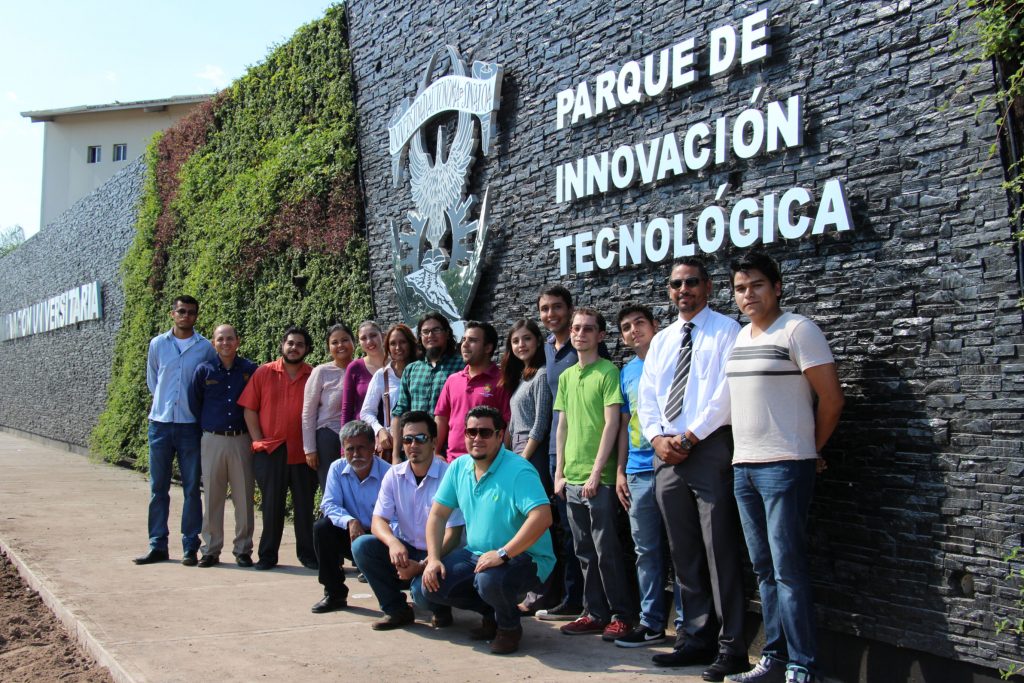
On Monday 7th of December, accompanied by PhD Xiomara Penélope Zaldívar Colado, students from the Master of Information Science offered by the Autonomous University of Sinaloa (UAS, Universidad Autónoma de Sinaloa) visited the facilities of the University’s Technological Innovation Park (PIT, Parque de Innovación Tecnológica). Students were given a guided tour through the distinct laboratories and workshops which conform this university complex of innovation, with the purpose of making them know some of the projects that are currently being developed at the PIT-UAS and the methodology followed by the researchers involved. Thus, during their visit, one of the areas to which they had access was the Training Room, where Mac platform equipment is boasted, it is a space to carry out the trainings for those involved in research projects. The aforementioned Master of Information Science is registered in the National Council of Science and Technology’s Mexican Postgraduate Quality Program, therefore, the university students were told about the necessity the Park has in the matter of joining to its projects people with professional profiles like theirs, human resources formed with integral quality programmes, capable of realizing high quality research, developing and applying new technologies, besides making a contribution to the solution of regional, national and international problems. Finally, were emphasized the advantages they may have by participating in the PIT-UAS’ scientific activities of basic and applied science. The group formed by 17 students was invited to collaborate with the PIT-UAS through innovation projects in such university space, one of which roles consists precisely on promoting and strengthening the impact generated by graduated student’s labour. Written by Moroni Arellano (Communication and Diffusion, PIT-UAS), translated by Belem Ruiz(Edition and Communication, PIT-UAS).
Participants of the course on bioinformatics made a tour of the PIT-UAS’ facilities
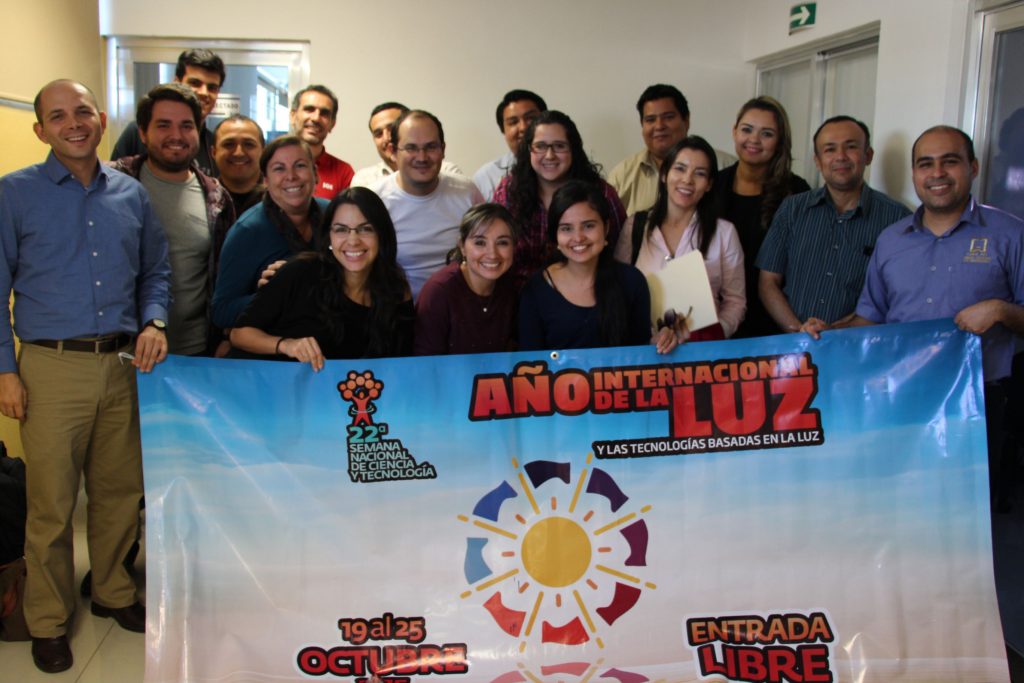
After the finalization of the Course-workshop of Bioinformatical Tools for the Analysis of Bacterial Genomes in Ecology and Epidemiology, imparted at the Training Room of the Technological Innovation Park (PIT, Parque de Innovación Tecnológica) of the Autonomous University of Sinaloa (UAS, Universidad Autónoma de Sinaloa), attendees, organizers and instructors of the seminar had the opportunity of making a tour of the PIT-UAS’ facilities, on Saturday 5th of December. The group of professionals belonging areas such as health, biology and informatics knew about the Park’s functions, the diverse activities carried out in the distinct laboratories and spaces of this scientific innovation center, among which is located the Bioinformatics and Geomatics Laboratory, space on charge of PhD Inés Fernando Vega López, where professionals interested on developing related projects may approach, in order to work with the Park’s researchers which knowledge has been complemented by the understandings acquired during this course-workshop. In this sense, it should be pointed out that with the conformation of an interdisciplinary expert group on bioinformatics, stimulating the linkage of academic and industrial sectors, it will be possible to establish a unit of bioinformatical analysis in the state, which labour would set Sinaloa in the forefront of the analysis of highly relevant data for science’s, technology’s and innovation’s development worldwide. Written by Moroni Arellano (Communication and Diffusion, PIT-UAS), translated by Belem Ruiz (Edition and Communication, PIT-UAS).