Extremos climatológicos: una realidad cada vez más común en México
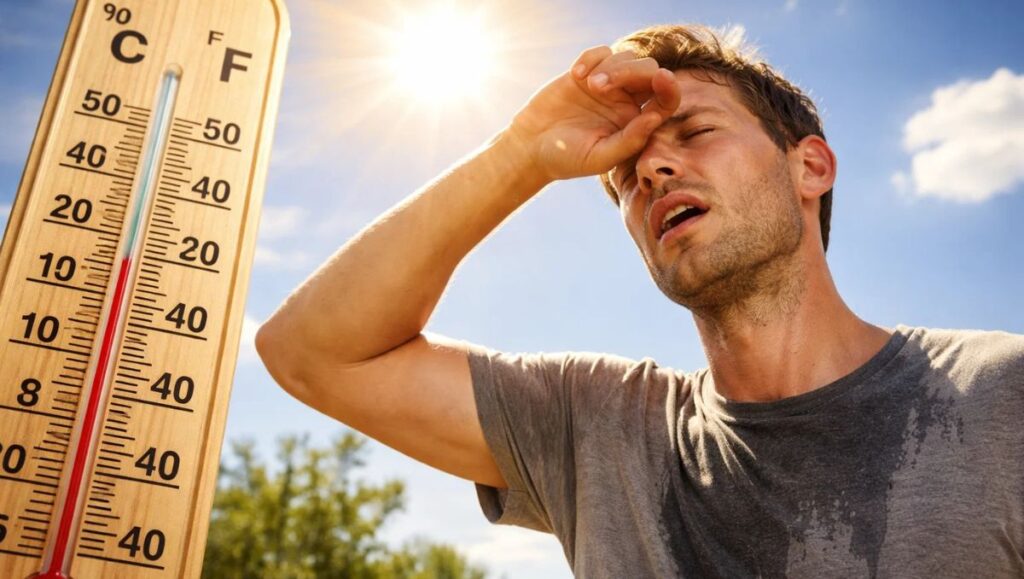
¿Sabías que México se está calentando a un ritmo superior al promedio mundial? Durante mayo, gran parte del país ha enfrentado intensas olas de calor con temperaturas superiores a los 40 °C, alcanzando hasta un 45 °C en el estado de Sinaloa. Lo que antes parecía un fenómeno extraordinario, hoy comienza a formar parte de la vida cotidiana. Las consecuencias van más allá de la incomodidad; las altas temperaturas incrementan el consumo de electricidad debido al uso constante de ventiladores y aires acondicionados, elevando los costos para miles de familias. Además, el calor extremo reduce la productividad laboral, especialmente en actividades que se realizan al aire libre o en espacios sin condiciones adecuadas de ventilación. Al mismo tiempo, los fenómenos meteorológicos extremos son cada vez más intensos. El calentamiento de los océanos favorece lluvias torrenciales y huracanes más fuertes, sin embargo, muchas ciudades mexicanas carecen de la infraestructura necesaria para soportar grandes cantidades de agua, provocando inundaciones frecuentes, daños materiales y afectaciones a la movilidad urbana. Esta situación evidencia no solo los efectos del cambio climático, sino también las profundas desigualdades sociales que existen en las ciudades. Las personas más vulnerables como los trabajadores de la construcción, comerciantes ambulantes, repartidores y sectores de bajos recursos, son quienes enfrentan mayores riesgos. Son ellos quienes recorren largas distancias bajo temperaturas extremas, carecen de espacios verdes para resguardarse y viven en zonas con mayor exposición a inundaciones y enfermedades relacionadas con el calor. Como advirtió el experto climático indio Rajendra Pachauri, “el calentamiento global ya no es una amenaza futura, es una realidad que afecta nuestras vidas hoy”. Esta afirmación cobra cada vez más sentido en nuestro país, donde las olas de calor extremas, las lluvias intensas y los fenómenos meteorológicos cada vez más agresivos impactan directamente la salud, la economía y la vida cotidiana de millones de personas. Frente a este panorama, resulta urgente apostar por ciudades más resilientes: con mejor infraestructura hidráulica, más áreas verdes, transporte eficiente y políticas públicas capaces de reducir los efectos de las olas de calor. Prepararnos para el futuro ya no es una opción, sino una necesidad inmediata. Daniel Rodríguez, área de comunicación de difusión PCT-UAS
Coding Bootcamps, intensive programs to learn how to program
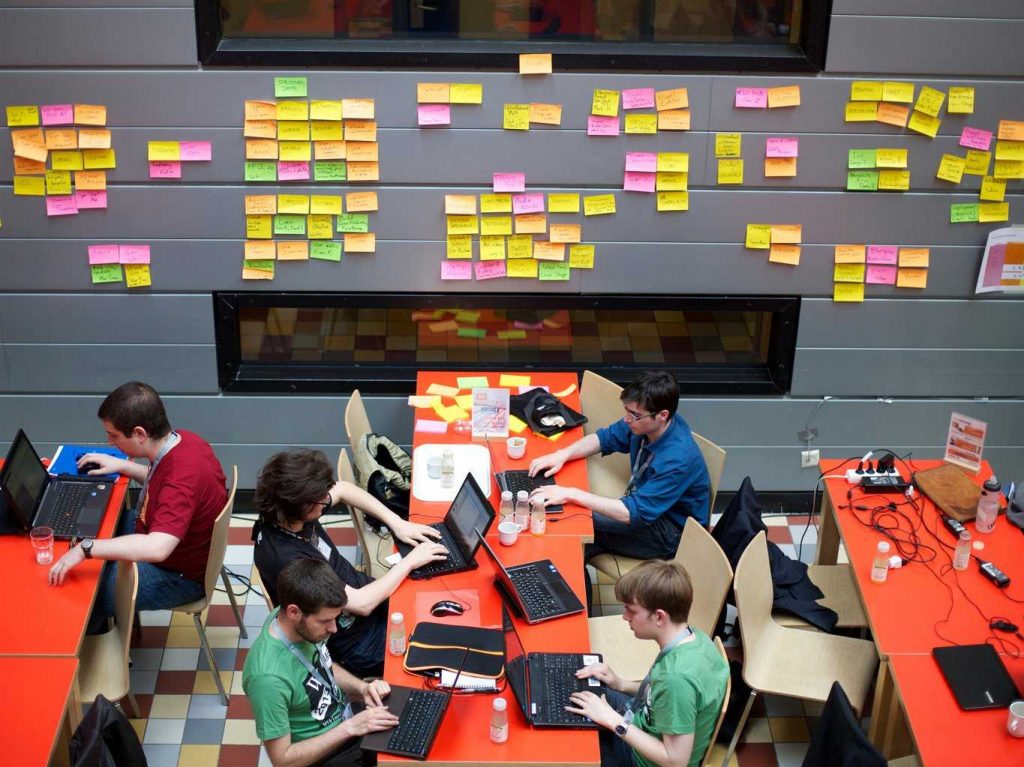
Due to the situations that are lived now a days, one of the principle actions society must go for is to develop new abilities to strengthen their professional activities and compete in which ever ambit related with labor, thus, making it important to take advantage of the technological revolution. According to a market study of web developers and digital industries in Mexico, Chile and Peru realized by the National Institute of Geography and Statistics (INEGI), one of the best jobs best paid in our country is web development, making it one of the abilities Mexican businesses focus on. Due to recent and future job offers focused on technology, Coding boot camps have been developed. These consist in intensive programs designed to teach how to write information codes for software and applications development. Coding boot camps are specialized in topics such as web, software, and app development, Big Data, interface design by users and other subjects in programming that covers businesses needs. These programs use the most current tools such as JavaScript, HTML5, CSS3, Node.js, Express.js, React.js, jQuery, Bootstrap, MySQL and others. These programs are so simple that no previous knowledge on the subject is needed for these boot camps, anyone from engineers, industrial designers to marketers can sign up. The only requirement needed is to want to learn how to innovate in these software areas. A great percentage of the people that assisted had no notion of how to program nor understand computer codes, but nevertheless, after the intensive learning program they started to develop abilities to app and digital platform development with a focus on digital economy. In our country, one of academy institutions that offer these camps is Tecnológico de Monterrey, being linked with Trilogy Education Services, a New York start up that pretends to do something similar that north american universities, like Rutgers and Berkeley. Hola Code, a bootcamp for repatriated migrants. Due to thousands of Mexican migrants that are sent back to Mexico, thus, the need of labor opportunities, a start up in Mexico city created an opportunity for them, Hola Code. This social initiative surged with the objective to help out repatriated Mexicans that have the talent to develop technological jobs in the country. This program is something similar to boot camp Hack Reactor, created in Silicon Valley, this course lasts for five months in which you are given the necessary tools like the fundamentals for programming, and app development without previous knowledge. This program is very complete, not only does it form the academically but also offers students daily learning, recreational activities, psychological help, access to mentors and monthly salary, all without cost. Hola Code is the one to invest in these camps and the cost for tuition is made when the graduate is working in something related with what was learnt in the program. Due to these situations, these initiatives take value as they are inclusive, they bet on national talent and develop new skills in the technological area, which is where the future is going. Just like Hola Code, there should be more programs and initiatives with other institutions. Are you ready to take advantage of these opportunities?
Deep Learning: AI in pursuit of emulating human brain’s functioning
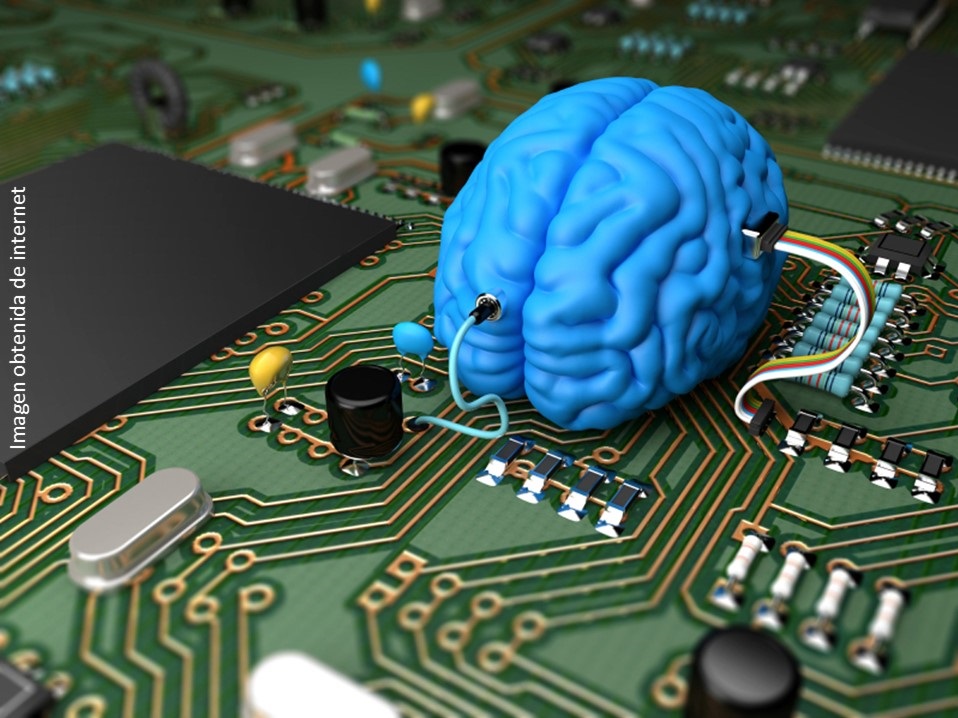
In the words of Jeff Dean (senior fellow in Google Research): «Deep learning is a really powerful metaphor for learning about the world». What differentiates a human brain from a machine?, what makes our grey matter so special? Regardless of the approach (biological, psychological or philosophical), stand out characteristics like perception, action, articulate language and cognition. In past editions of our STI Wednesday, we talked to you about artificial intelligence (AI) and autonomous agents: the unreachable dream of emulating human brain and the polemical creation of «thinking machines». As we commented to you before, the prevailing technological trend that is currently a key within AI key is deep learning: AI «is finally getting smart»; it is outlined that new autonomous agents be capable of understanding human language and do both inferences and decision making by themselves. Experts on technological research and consultancy note that deep learning will start having a huge impact in most of industries over the next few years. Now, if you wonder why this should be of your concern, we invite you to continue reading our article, where we’ll present some basic theoretical issues and some applications of this group of techniques to extract, transform, classify and analyse information. Human brain neural networks as inspiration The work that begun in the sixties of the 20th century as something conceptually attractive but difficult to prove, started to have a wide range of commercial uses in the early nineties of the same century. According to the US Association for Computing Machinery (ACM), artificial neural networks (neural nets) follow brain neurons’ patterns, as well as the connections or synapses between neurons. Thus, artificial neural networks are systems that consist of highly interconnected and simple processing elements which behaviour changes according to the «weights» assigned to each connection; contrary to traditional computing programmes, deep learning requires training: the greater the amount of input information, the better the results. During many years, most of neural nets had only one layer of «characteristics detectors» and were mainly trained with data classified through a process called «supervised» training; afterwards would appear the multilayer and hybrid types. In the eighties appeared a more powerful deep learning type, which used multiple layers. In the years of futuristic unreal robots proper to movies like Blade Runner (1982), The Terminator (1984) and Aliens (1986), within the scientific sphere, computers were not fast enough to deal at the same time with the learning processes of multiple layers of characteristics since this meant a huge amount of calculations, in addition, there were not enough labelled data and developers did not count on an efficient way to initiate the «weights». Geoffrey Hinton (University of Toronto), computer scientist and machine learning pioneer, claims that: «The basic approach back then was, you hand-engineered a bunch of features, and then you learned what weights to put on the features to make a decision. For example: if it’s red, it’s more likely to be a car than a refrigerator». The newest in AI: layers and layers of artificial reasoning Li Deng and Dong Yu from Microsoft Research, in their article «Deep Learning: Methods and Applications» (2014), place these techniques in the intersection of neural nets research, AI, graphic modelling, optimisation, patter recognition and signals processing. They claim that since 2006 deep structured learning, more commonly known as deep learning or hierarchical learning, has emerged as a great new research area within machine learning. An area which essence is «to automate the process of discovering effective features or representations for any machine learning task, including automatically transferring knowledge from one task to another concurrently». Microsoft Research’s scientists emphasised three important reasons for deep learning’s current popularity: 1) chip’s drastically augmented processing abilities, 2) significantly increased size of data used for training, 3) recent research advances on machine learning and signals/information processing; also, for its part, the ACM points out the improvements in algorithms and apps architectures. As a whole, all this makes possible a greater increase in the machine learning systems; in particular, multilayer artificial neural nets are producing amazing advances in the matter of precision within fields like computer vision and voice recognition. Listening, speaking, observing and learning «like a human» Deng and Yu highlight the fact that there are numerous active researches in the field, carried out by higher education institutions like University of Toronto, New York University, University of Montreal, Stanford University and Massachusetts Institute of Technology, as well as companies of the size of Microsoft, Google, IBM, Baidu and Facebook. Such researchers, they assert, have showed to have empirical success on deep learning in diverse uses of: computer vision, phonetic recognition, search by voice, oral speech recognition, voice and image codification functions, semantic expressions classifications, natural language comprehension, handwriting recognition, SPAM filtering, fraud detection, audio processing, information retrieval, robotics, «and even in the analysis of molecules that may lead to discovery of new drugs». Below we explain some of the newest deep learning applications and a fruitful research group which products you probably use more than once a day. IBM PowerAI(IBM and NVIDIA, 2016). A software toolkit for enterprises that «will help to train systems into thinking and learning in a more human way at a faster rhythm». DeepText(Facebook, 2016). Tool that can understand the textual content of various thousands of publications per second with almost-human precision, spanning more than twenty languages. Deep Voice(Baidu, 2017). Production-quality text-to-voice system that synthesises in real time, entirely constructed from deep neural networks. DeepCoder(Microsoft and Cambridge University, 2017). This software will allow people who don’t know any programming language to code, create new programmes taking «borrowed» other programming codes. Brain Team(Google, since 2011). This research group is responsible for Android’s voice recognition systems, Google’s search by images and YouTube’s video recommendations. Genetic interpretation (Universidad of Toronto and NVIDIA, in process). Powered by a graphic processing unit, this method will identify cancer-causing mutations. Are we truly each time closer to creating «thinking machines»? About three years ago, the aforementioned Microsoft Research’s duo ventured that the
Course for a recently acquired robot’s usage is imparted at PIT-UAS
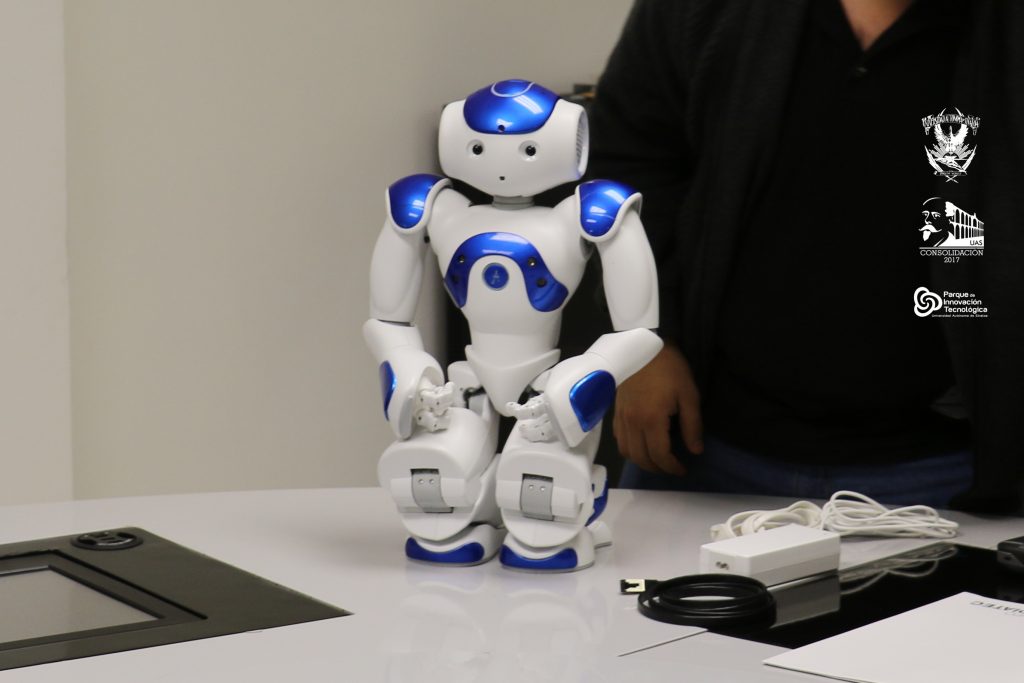
As part of the equipment and work material acquisition activities to strengthen applied research, and in order to foster programmes and strategies developed in the matter of robotics and artificial intelligence at the Technological Innovation Park (Parque de Innovación Tecnológica, PIT) belonging to the Autonomous University of Sinaloa (Universidad Autónoma de Sinaloa, UAS), it was recently acquired a SoftBank Robotics’ humanoid robot NAO Evolution, a model that has been used in over seventy countries for computing and sciences classes, from elementary school to university, thus helping students to programme in a practical manner. On Friday 27th of January this year, the person in charge of Robotic Products and Artificial Intelligence of Mediatec Group enterprise, engineer Irving Figueroa Sumano, imparted a brief course at the Park’s facilities, with a duration of about four hours, with an assistance of 10 collaborators from the areas of Robotics, Technical Support, Prototypes Workshop, as well as students who are doing their professional residences or practices at the PIT-UAS. The instructor showed to attendees the basic configurations for the recently acquired equipment’s starting and broached themes about its correct functioning (software and hardware). During the exercises were applied the software updates, the name assignation for the equipment, the internet wireless connection; likewise, the engineer taught attendees the basic notions of the NAOqi operative system; lessons related to equipment’s care, good usage and maintenance were particularly emphasised. Through examples, the attendees learned how to programme activities like dancing, walking, saying phrases, among other applications of this robot. Among its main characteristics stand out the following: it counts on 25 degrees of freedom (that can function similarly to the human body’s articulations), it possess the omnidirectional walking ability, it also has prehensile hands with grips at fingers to objects manipulation, as well as electronic and mechanical elements like sensors, video cameras, microphones and an inertial measurement unit. The product, acquired thanks to the institutional support provided by the university Central Administration, is the humanoid robot most used for academic and research purposes all over the world, it functions either autonomously or through teleoperation from a computer and is world-famous by being the official model for the RoboCup. Having said that, the pedagogical applications in which NAO can be used vary and, just to mention some of them, they can appear in fields like computer vision, face and voice recognition, signals processing, location and navigation of an intelligent system, kinematics, dynamics and mechanics, among others that may emerge from the necessities of researchers and collaborators belonging to this UAS’ organizational unit. Regarding to NAO’s usefulness at PIT-UAS, within the framework of interdisciplinary applied science projects development, MSc in Electronics Engineering Gabriel Zúñiga, person in charge of the PIT-UAS’ Robotics and Virtual Reality Laboratory, stated: «The NAO robot is a development platform with academic and research purposes. It is useful for us on learning and research within the fields of electronics, informatics, robotics and control; precisely on themes like locomotion, algorithms, artificial intelligence and signals processing, to mention some». Written by Moroni Arellano (Communication and Diffusion, PIT-UAS), translated by Belem Ruiz (Edition and Communication, PIT-UAS).
Traceability, «chasing» the product
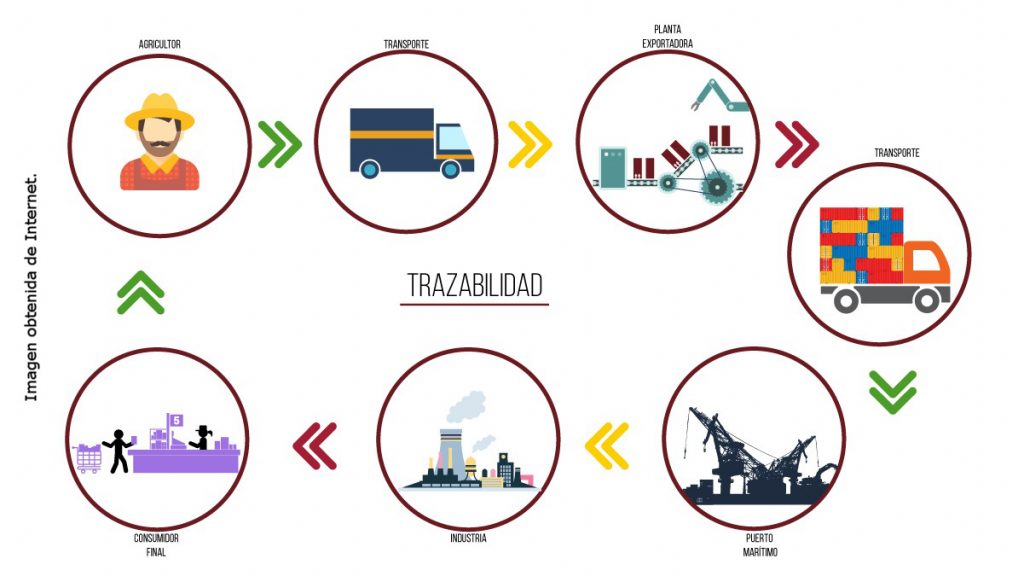
In Ancient Rome it was custom that in public buildings one could find the track of the architect who created the construction; just like the Pantheon at Rome (despite some doubt it): the façade inscription «M.AGRIPPA L:F: COS TERTIVM FECIT» is the best proof that he built it. Likewise, painters sign their works to testify about who created them, like in 1931 did the famous Spanish painter Salvador Dalí on his work The Persistence of Memory. On their part, clothes designers do the same to identify their garments, and such is the case of the designs belonging to the famous brand Armani. Do you see a pattern in this? I’ll give you a hint: traceability, that possibility of «identifying the origin and the different stages of a production and distribution process of consumer goods» (according to the definition of the Spanish Royal Academy’s Dictionary). And today this is our theme of STI Wednesday, although we won’t talk to you about fashion or art, but food safety and quality control of diverse products. A detailed description of a process According to the Spanish Food Safety and Nutrition Agency, traceability consists of being able to «find and follow the track, through all production, transformation and distribution stages of a foodstuff, a feed or ingredient». This technology is also defined as «the ability of producers, industrialists, traders, consumers and public authorities of being able to follow the track of a specific object throughout all or part of its useful life». Here, we must notice that in the past the Spanish Language Academies used to recommend the usage of trackeability instead of traceability, however, the Spanish Royal Academy decided, in its twenty-third printed edition (2014), that the correct word would be traceability, given that prevailed the influence of English language. Having said that, traceability can be considered from three different types of focuses: Ascendant traceability (backwards). Consists of distinguishing the products received at the business, with information on who produced them and where they come from. Intern or process traceability. Is the product’s move within the enterprise that produced it. Descendant traceability (forwards). Consists of identifying the products produces by the enterprise and knowing which destiny they are going to and who the clients are. One of the main development areas of traceability is food safety, which fundamental objectives are: information, processing and identification of the products, through the monitoring from the production chain beginning until the product reaches to the consumer’s plate. All this, aiming to guarantee both quality and safety of the products being consumed. From functioning perspective, traceability provides a better monitoring and control of the product, in the search of avoiding frauds by recognizing their characteristics and applied processes: producers identify their crops work and treatments employed, so they can fulfill quality systems; elaborated industry and distribution apply quality control systems, labeling, maintenance in cold, agility in transport and storage; meanwhile the consumers are in charge of using and keeping the products they acquire. The diverse fields in search of a better quality control Did you intoxicate yourself with some foodstuff and you don’t know where it comes from? Good thing is the food sector is the main work field of traceability, and there lays its importance, given that it facilitates the monitoring of products at any stage of their production, so you can know where they came from and what kind of safety problem is the one you are facing. Food included are: fish, from direct fishing, maritime and continental, like aquaculture, this one we can consider a full traceability, due to the fact that the history of the product is known, different to those from sea or river, where diseases can appear or there might be pollution; meat of livestock species, for which traceability is practically a requirement that serves as guarantee to the consumer, due to problems like encephalopathy, glossophage, swine fever, clenbuterol, etcetera; vegetable products, where we find a variety of traceability types, thanks to the different ways of conditioning, transport and commercialization, by the existence of perishable and non-perishable products, of which both need to fulfil specific safety norms or certificates of the producers. But the concept is not implemented just for foodstuff, is so versatile and limitless that other industries are providing added value to their product by applying traceability. In the pharmaceutical market the consumer will know at what moment and who produces the medication, as well as its expiration date and the whole process it goes through until reaching the final consumer. On the other hand, at mining industry, in Europe the norm REACH rules, which intention in knowing the origin and process of the minerals being exported, that thanks to traceability are known immediately. There also exists the documentation, which consists of registering the track left by the document during the process of any procedure; this includes banks, customs houses, institutions and many others. In addition to those aforementioned, traceability is present in areas such as construction, management systems and health services. Traceability’s privileges and obstacles Nowadays the market is very competitive, it is saturated of products and brands, which makes more and more complicated to get a loyal consumer; in this sense, traceability is a great allied to keep the costumer, since it provides the certainty of a scrupulously kept record of the product being consumed. Among the advantages of implementing this system for an enterprise we find: Increasing the quality of the product, as well as the brand’s image. Supporting the product’s origin. A source of investment is not necessary for its development. Approaching new technologies to the primary sector. Causing progress in the sector it is used. Taking to the realisation of collaborative processes among supplier, producer and customer. But it ain’t all benefits and advantages, there are also disadvantages and difficulties that cause these technologies not to develop in the better way, here are some: Sometimes, traceability is a difficult aspect to determine. It requires a responsibility that not every enterprise is willing to take. In
PIT-UAS collaborators receive training to use the HAAS Vertical Machining Centre
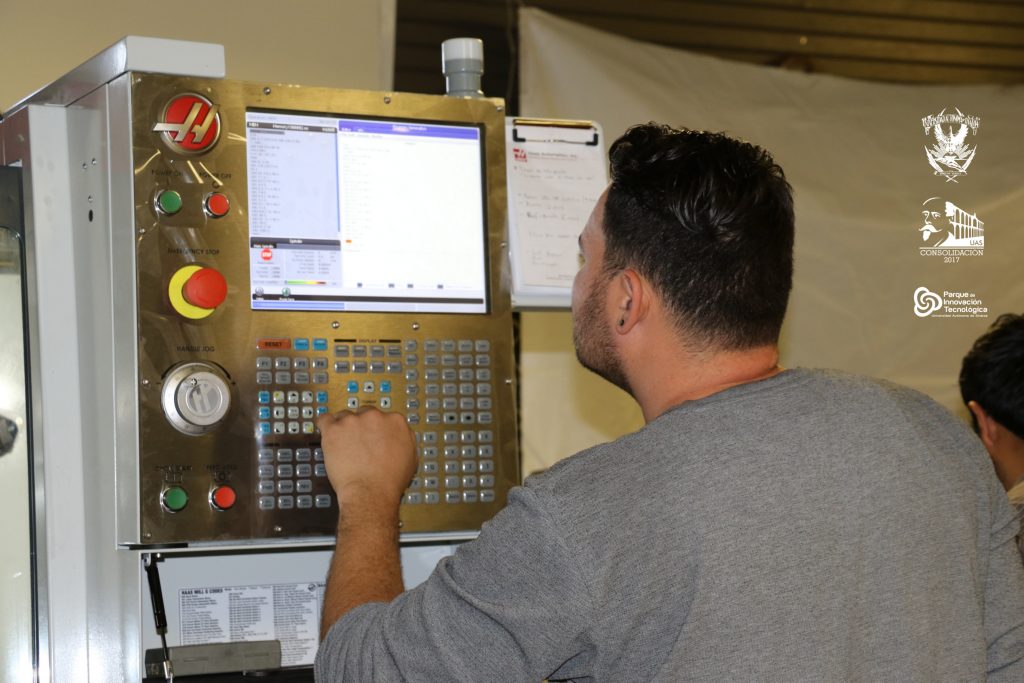
After the recent acquisition of the HAAS Vertical Machining Centre, engineer Ricardo Barrera from HI-TEC enterprise attended to the facilities of the Technological Innovation Park (Parque de Innovación Tecnológica, PIT) of the Autonomous University of Sinaloa (Universidad Autónoma de Sinaloa, UAS)to impart training on how to use this machine. A total of 10 attendees came together at the Prototypes Workshop, stood out the participation of PIT-UAS collaborators like PhD in Biosystems Carlos Duarte Galván from the Instrumentation and High Energy Physics Laboratory, as well as personnel from the Prototypes Workshop and the Design and Modelling Laboratory, in addition to students who are currently collaborating at Projects Development area and postgraduate students from the Faculty of UAS’ Physical-Mathematical Sciences. The function of a CNC milling machine is realising mechanised works by using a gyratory tool of several cutting edges called milling cutter that offers the possibility of working diverse materials like steel, bronze, woods and plastics. The model recently acquired by the PIT-UAS is the VF-1, which has an additional fourth angular axis, important particularity that allows to position the piece to be worked in different angles to realise more operations. When talking about the purchase, PIT-UAS general director, MBA José Ramón López Arellano, emphasised the great support gave to the Park by the university Central Administration in order to make the acquisition of this specialised machine. It should be mentioned that this equipment will not just be for the benefit of the PIT-UAS but also for the University’s, since the milling machine will be employed in the development of applied research projects that aim to solve specific problems of Sinaloense industry, projects in which both university researchers and students will participate and thus improve or get into practice their skills for the usage of this tool. In interview, engineer Jesús Lafarga, responsible of the Park’s Prototypes Workshop, specified some advantages brought by the acquisition of this machine for the university organisational unit he belongs to: «Here in the workshop we make prototypes, with this machine we’ll be able to make more complex prototypes, even reach the final phase of the product». The training sessions took place from February 27th to March 3rd and consisted of the explanation of basic programming and operation principles of the milling machine; besides, each participant realised practical exercises, supervised by the engineer Ricardo Barrera, responsible of the course. Written by Alfredo Careaga (Communication and Diffusion, PIT-UAS), translated by Belem Ruiz (Edition and Communication, PIT-UAS).
Student entrepreneurship, the bold process of learning to think outside the box

When we talk about entrepreneurship, we think in bold and creative individuals who, no matter how hard or practically impossible it seems, achieve success in the development of their ideas by satisfactorily taking them to the economic markets. And among these people probably one of the most famous entrepreneurs of the last times be Steve Jobs (millionaire at 26). We must thank to Apple’s former chief executive officer his visionary market intuition, which greatly contributed so the monstrous and inaccessible computers of the seventies became today’s indispensable and versatile personal computers we can find in many homes and offices. Nowadays it is difficult not to listen about entrepreneurship, there are institutions, magazines, YouTube channels and other social networks dedicated to disseminate such economic development strategy and lifestyle; there are even basic education programmes that form the little ones according to the so called education in entrepreneurship (EE). But when and where we can learn to be an entrepreneurial student?, how effective is orienting educative programmes to the conformation of an entrepreneurial culture?, what is the importance of having more entrepreneurs for society? These and other questions are the ones we will broach in this Wednesday of Science, Technology and Innovation. Education in entrepreneurship before the university Facing the significant changes brought by globalization and knowledge-based economy’s (KBE) imperatives, in 2000 the European Union (EU) presented an action plan known as Lisbon Agenda, where were gathered lineaments that aimed adapting to the new global reality and becoming «the most competitive and dynamic knowledge-based economy in the world capable of sustainable economic growth with more and better jobs and greater social cohesion». Thus, both entrepreneurship and EE started to gain importance. In countries like Germany appeared initiatives oriented to instil in university students the self-employment as a vocational alternative, in sight of the national and international difficult and narrow labour outlook. Recently in Mexico, there has even begun a gamble with the notion of implementing educative experiences to work entrepreneurship themes with basic level children; strategy that had already been worked before in other places of the world. At the beginnings of the first decade of the 21st century, there existed little rigorous research on its effects, nevertheless researchers and educators openly extolled EE’s alleged benefits. But since then was recognised the wish to participate in EE programmes expressed by high school and elementary school students; there even existed some who upholded that were precisely the years of childhood and adolescence which were the best to encourage a positive attitude towards entrepreneurship. Even so, a 2003 study revealed that Australian middle school students were more concerned about how they would direct their studies and labour experiences than about the feasibility of becoming self-employees, given that they perceived starting their own enterprise as something pretty faraway. The challenges of fostering an entrepreneurial culture at the universities With regards to higher education, according to the Global University Entrepreneurial Spirit Student’s Survey (GUESSS): more entrepreneurial intentions are perceived in men than in women; having an entrepreneurial familiar context encourage such ideology in the student; among personal reasons to be an entrepreneur, outstand (in order of importance) making come true one’s own dream, having an exciting job, liberty and independence, as well as the power to create something. A matter of utter importance is that, throughout the report, differences among developed and developing countries become evident, for example: in the first ones less importance is given to making come true one’s own dream, meanwhile in the second ones we find the less worries about the implicit risk of entrepreneurship. In most of the higher education institutions which students were surveyed for GUESSS, the results suggest that both level and presence of entrepreneurial culture in universities are insufficient, either because of the lack of fostering and support of the educative institution itself or because of the disinterest of the student body. In the particular case of countries like Mexico, is not just a matter of lack of vision or formation in teachers and directors, but in addition the lack of resources must be faced. This is, we live in societies which main majority of university students keep limiting themselves (or being deliberately limited) to highly traditional roles, either because of the nature of their career choices itself or because of ideological and financial barriers The social side of student entrepreneurship, beyond the eagerness of profit Worldwide there are success cases like the ones of US youths Jonathan Goldman and Ava Anderson, millionaires before their thirties; he is the founder of Quantum Networks, a marketing company specialised in e-commerce; she, founder of Pure Haven Essentials, e-commerce dedicated to sell organic products for personal family care and home. There is also the case of the Mexican youth Carlos Camacho, founder of Ecoshell, enterprise dedicated to the production of biodegradable packaging. But not everything within the entrepreneurial world is about becoming millionaire, it is also possible to «think outside the box» for the benefit of society. A World of Good is an hybrid organization that seeks to contribute to world poverty reduction through retail marketing channels. BlinkNow gathers funds for the orphanage , the school, the clinic, women empowerment centre and the diverse activities for environmental sustainability of Kopila Valley (Nepal), the nodal project. The Future Project assists, offers courses and applies cultural techniques in order to build will and skill in students and improving the culture of the school (United States). These, just to mention some of the very many non-profit organization that started in the hands of entrepreneurial students. Then, to undertake or not to undertake? Supports?, there are: it is just a matter of knowing to seek for them and qualifying for them. At three levels, international, national and state, exist pretty well-intentioned initiatives, inside and outside universities. Such are the cases of: Global Student Entrepreneur Awards belonging to the Entrepreneurs’ Organization, with a bag of $20 000 US dollars in cash; the InnovaUNAM Enterprises Incubator System Sistema de Incubadoras de Empresas InnovaUNAM) belonging to the
Lira Saldívar: «Traditional agriculture is pollutant and not sustainable»
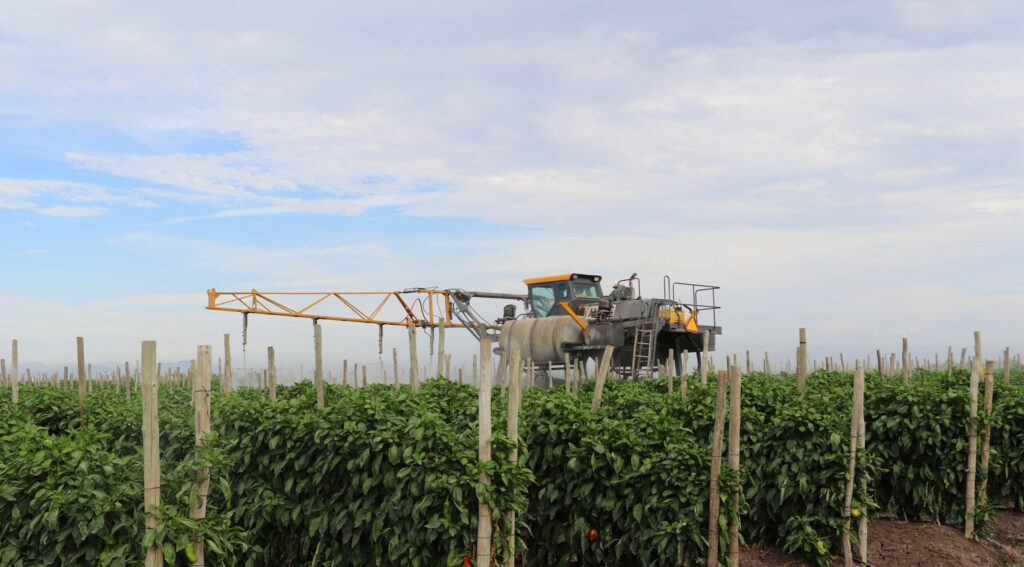
The Mexican scientist assures that agro-nanotechnology can help avoiding environmental havocs proper to traditional agriculture In October of 2016, within the framework of the first Science, Technology and Innovation Camp (TechnoCamp) edition, Ricardo Hugo Lira Saldívar, speaker at the event, talked with us about his researches’ results related to the agro-nanotechnology, applied discipline that stands for the usage of nanoparticles in agricultural crops. «Agro-nanotechnology is a new research line worldwide. This derives from nanotechnology in general. Nanotechnology […] is having an impact on all phases of the human knowledge», contextualised the academic. Likewise, Lira Saldívar argued that, precisely because it is a study field recently took into agriculture, there are still endless application possibilities to be discovered. Among the benefits of applying this novel method outstands the fact that it allows to conceive a sustainable agriculture and free of pollutant agents. «This is a great opportunity, to work with these nanoparticles, because, on one hand, they offer you the possibility of promoting the plants’ growth, improving their development and using really small amounts, in comparison with [the quantities of] fertilisers and nutrients used in traditional agriculture», the researcher explained. The Mexican scientist commented about nanoparticles compatibility when put into action for crop plants growth. «Metallic nanoparticles —with which I am working— have a very important function in cultivated plants; because iron, zinc, copper… are micronutrients of the plants», the doctor in Ecology specified. He also talked with us about other advantages found in different agro-nanotechnology practices: «In agriculture, nanoparticles have a double function. On one hand, they act as nutrients of plants and, on the other hand, these same metals I am using have an antimicrobial effect». In addition, the agro-nanotechnologist gave his opinion on detrimental consequences of the practices carried out in traditional agriculture. «Many of the nitrogen fertilisers applied transform into nitrates; nitrates result to be poisonous for humans and animals; and once they get to subterranean aquifers, water wells and lagoons, they can cause pollution», he pointed out. As far as it concerns to nanoparticles, just minimal doses of the substances are required for crops duty; contrary to traditional fertilisers, of which excessive quantities are used in traditional agriculture practices, what turns it pollutant and not sustainable. Ricardo Hugo Lira Saldívar studied Agronomy engineering at the Antononio Narro Agrarian Autonomous University, located in Saltillo (Coahuila, Mexico), he obtained a master in Water se and Conservation by the Graduates Programme belonging to the Monterrey Institute of Technology and Higher Education (Nuevo León, Mexico) and he has a PhD in Ecology by the U. S. University of California. TechnoCamp 2016 had place on September 29th and 30th, it gathered over five hundred attendees to the conferences imparted at the Culiacán Academic Tower of the Autonomous University of Sinaloa (UAS, Universidad Autónoma de Sinaloa) during its first day and, product of the 10 Challenge, during six weeks five youth talents developed their project called Seeds-Flux Sensor for Traditional Sowings to Obtain Greater Precision in Agricultural Consumables Distribution, with institutional economic support at the facilities of UAS’ Technological Innovation Park. Andrés Márquez (Communication and Diffusion, PIT-UAS), translated by Belem Ruiz (Edition and Communication, PIT-UAS).
Mobile applications: a tool to upgrade efficiency or to increase procrastination?

In 1973 the British Martin Cooper materialised an idea that had been lurking within his head since he was a child: the invention of a mobile phone. Soon, what begun with a call from a cell phone prototype in a street of New York city, became a success worldwide, to such extent that nowadays over the half or world’s population has one of these devices, which little by little were adding other uses and functions to their original role of just making and receiving calls. Bu the nineties, as you might well remember if you had a cell phone in those years, Snake was a game that achieved to make funnier the long or short waits of those privileged who had such technology; the game was simple: guiding the snake aaall over the —minuscule— cell phone screen in its search for food, avoiding the little animal from crashing against its own tail, which grew with each new ingested bite. Well, this simple but entertaining game that now we recall with nostalgia was the beginning of mobile applications or apps. Currently, technological advances are so big that the progress in this field within information and communications sciences is increasing. This is a technology that came to stay and is continuously revolutionising the way we interact with our own surroundings and with those who surround us. Which is why this Wednesday of STI we present you some data on history, innovation and uses of mobile apps throughout their evolution. From the predetermined and most basic to the hyper-personalised and sophisticated An app is a software developed to carry out the functions to which it was developed for, and to be executed in mobile devices like cell phones, portable music players, global positioning systems (GPS), tablet computers, digital cameras, etcetera. The beginnings of this technology came up in the nineties when feature phones counted on their first apps, focused on improving the user’s productivity: alarm clock, calendars, calculators and e-mail; those first apps met basic and elementary functions, in addition to have a pretty simple design. The first great chance experimented by this technology occurred in 2007, with Apple’s iPhone appearance; such innovative device got into the market to generate new business models, improved the available tools designers and programmers had to develop apps, which facilitated the duty of producing an app and turned these into something more profitable for developers and the market. A prove of this is the appearance of specialised online shops, like App Store (Apple), Google Play (Android) and Windows Phone Store (Nokia and others), where we find: free software, this is, a free download that gives to the enterprise the possibility of obtaining money though publicity showed to the user; apps which download has a cost; as well the freemium, that you can freely download for a basic and limited used, with the option of receiving more advanced functions if you pay for them. Let’s get technical: apps types With regard to the different mobile apps types, below we present you the three existent perspectives for development: one native and two multiplatform (web and hybrid). Native apps. Specifically developed to be executed in a particular type of device and its operative system. Their main advantage is the opportunity to access to the device’s functions like camera, GPS, appointment scheduling, messaging; also, some of these can be used without internet access. Although, by being specific for an operative system, if you wish to cover various platforms, an app must be generated for each one of them, which implies a higher development cost. Web apps. Designed to be executed in servers and displayed in the mobiles device’s browser; developed in HTML, Java Script and CSS, the same technology used to create websites. These from the fact that devices do not need the installation of some component, neither a manufacturer’s approval to be published. There is a detail, though: it is obligatory having access to internet, which might become into a difficulty due to connectivity problems; and, different form natives, in web apps it is not possible to use hardware elements of the device. Hybrid apps. Developed with web technology and executed in a web container on the mobile device; these are the perfect combination of the aforementioned types: hybrids use multiplatforms like HTML, Java Script and CSS, and have access to some specific features of the device. The main advantages are the availability in different apps stores and the code reuse for multiple platforms. However, using the same interface for all platforms implies that the hybrid app’s appearance will not be as a native’s. The diverse action fields: from the most banal to the most vital At the beginning, mobile apps were invented to improve personal productivity, but nowadays, thanks to the arrival of smartphones, we find truly various action areas, with uses that undoubtedly have come to improve the lives of those who use them. Below we expose you some big areas: Games. These have as aim the user’s amusement. There we have the Angry Birds case, which was one of the first apps in the market; and one of the most recent ones in this sphere, which had a categorical success in 2016, Pokémon Go, a mobile app that resorts to augmented reality. Social networks. These focus on communication among users, facilitate and provide the interaction among theme. Some of which have caused frenzy are Facebook, Snapchat, Instagram, Twitter… Management. Related to the entrepreneurial sector, these seek to solve specific problems and task execution. For example: Tempo (smart calendar to set meetings dates), Trello (tasks management or labour projects) and Mindly (to organise and structure a project). Educative and informative. These are used to transmit knowledge or news, they privilege the access to content. Outstand: Duolingo (to learn languages), Writefull (assistant to write in English), CNN and Flipboard (to be up to date on what happens in the world). Creation. These give free reign to creativity, allow to edit videos and photographs, produce sounds or write. Such
From sci-fi to reality: a trip through robotics evolution
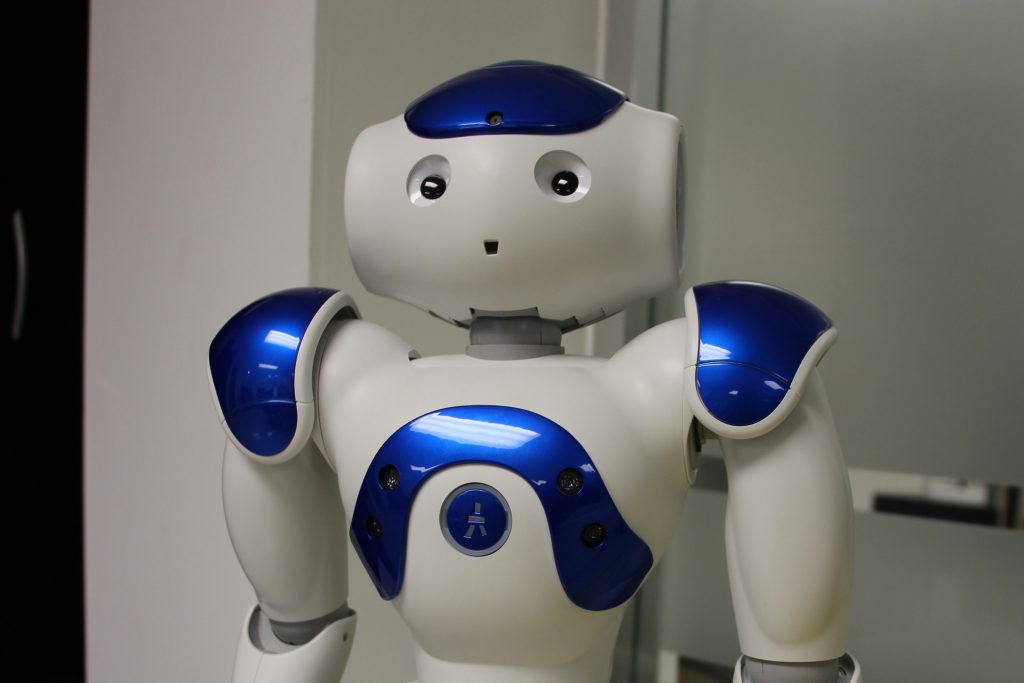
In 1921, Czech writer Karel Capek made public his play RUR (Rossum’s Universal Robots), which automatons characters introduced for the first time ever the term robot with the sense we currently give to it, which derives from the Czech word robota, that means «forced labour or slavery». From this first approach we can notice the influence both literature and science fiction have had in our conception of what a robot is, and the reason whenever we think of them our mind more naturally associates them to thinking and automatons characters presented to us in films like Star Wars or bio-robotic androids that might pass themselves off as humans, like those of Blade Runner. Our actual reality is way too far from those examples, but science keeps working in order to, someday, create such sophisticated mechanisms. Even though if we compare it with fiction it seems like our reality is really far from such great achievements, the truth is that robotics field has been an area in constant and accelerated evolution, same we will explore below: from its beginnings, going later through types of robots and some of its most «ordinary» applications. The first pillars for automation Since ancient times and throughout history, there are numerous registers of automatons created: from the water powered automaton built by Hero of Alexandria (125 BCE), Leonardo Da Vinci’s walking lion and moving knight (1499), as well as the mechanical duck of the French engineer Jacques Vaucanson (1730’s mid-decade); and these are barely four of many examples we could bring up. Even when the term robot and its current meaning were coined (as we were saying before) from Capek’s play, the derived word robotics was created by the famous US author and biochemistry professor Isaac Asimov, who used it for the first time in his sci-fi story «Runaround» (1942), where also sets out his already famous Three Laws of Robotics that would quote in many occasions in his following works. The word would be later adopted in the real world as scientific terminology, turning Asimov one of the robotics’ promoters in the world. The most direct ancestors of current robots are telemanipulators. The first one was developed by R. C. Goertz at the Argonne National Laboratory in 1948 and its objective was avoiding the operator from being at risk while manipulating radioactive elements; the mechanical device was based on a master-slave method, where the master manipulator, placed in a safe zone, was moved by the operator and the slave would recreate his movements. The operator, besides being able to watch through a thick glass, by means of the master device he would feel the forces applied by the slave on the environment. Afterwards would come a computer programme to control manipulator’s movements, substituting operator’s role and thus beginning the current robot concept. In 1961 the first industrial robot was installed, the UNIMATE, created in collaboration by Joseph Engelberger (considered the father of robotics) and George Devol (who patented the invention). The robot consisted of a hydraulic powered arm in General Motor’s factory at Trenton (New Jersey) and worked with an injection moulding machine. In 1973 the Japanese Ichiro Kato created the WABOT I, the first full scale anthropomorphic robot in the world. It possessed a system to control its extremities, vision and conversation. The next year, the Swedish company ASEA would develop the IRB6, the first robot entirely electric controlled by a micro-computer. The first year of the robotic era arrived in 1980, when the production of industrial robots increased 80% regarding the previous year; in addition, in the whole world a great impulse was given to research for the creation of intelligent robots, which began the search of an intelligent autonomous robot. Types of robots According with Álvaro Gómez Ramos, the Robotic Industries Association defines an industrial robot as «a reprogrammable multifunctional manipulator, designed to move materials, pieces, tools or special devices through variable programmed movements that allow to carry out diverse tasks». While the Swedish Industrial Robot Association provides a more complete concept: «manipulator machine automatically controlled, reprogrammable, multipurpose with or without locomotion to be used in industrial applications of automation»; this definition is the one currently considered by the International Organization for Standardization. There are different ways to classify the existent types of robots, these can be labelled according to its chronology, structure, autonomy level, application, etcetera. If we classify them by their architecture, robots can be: Poly-articulated. Commonly sedentary, are structured to move their terminal elements in a determined work space, according to one or more coordinates system and a limited number of liberty degrees. In this group we find manipulators, industrial robots and linear (Cartesian) robots. These possess the ability to move thanks to that they are based on cars or platforms and are provided with a rolling locomotive system. They follow their way remote-controlled or being guided by the received information of its environment through sensors. Guided through paths by means of electromagnetic radiation of circuits set into floor or via photoelectrically-detected strips; they can even avoid obstacles and are equipped with a relatively high intelligence level. These are actually used for study and experimentation, they seek to partially or totally imitate human behaviour and shape, but they have not reached yet the sought fidelity degree , since they have no practical use. The currently most known robot of this kind is Honda‘s ASIMO (Advanced Step in Innovative Mobility), able to walk, run, deal with stairs, reach and open objects, at the same they understand voice commands and remove obstacles out of their way. These can be classified in walkers and no-walkers (the least developed area). Their locomotive systems imitate diverse living beings and it is aimed for them to be used to explore very rough surfaces, either piloted or autonomous, and it is deemed that they will be truly useful in space exploration and volcanos study fields. A Rosie Uniqua at home? Service robots are those autonomous robots that take care of helping with household chores. Even