El PIT-UAS participa con ponencia en el XXXIV Aniversario de la FCFM
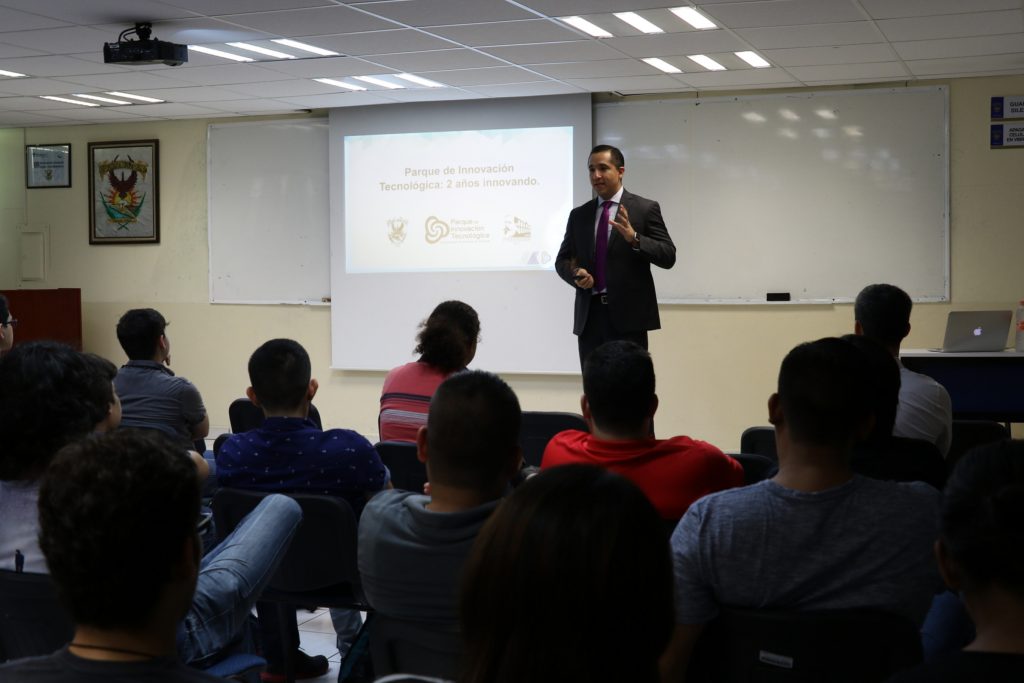
En el marco de la celebración del XXXIV Aniversario de la Facultad de Ciencias Físico-Matemáticas (FCFM) de la Universidad Autónoma de Sinaloa (UAS), el doctor René Castro Montoya, director de la unidad académica, comentó el importante logro que representa la organización de este evento, en el que participan tanto el estudiantado como la planta académica que pertenece a la facultad. Asimismo, explicó el beneficio que se reflejará en los futuros proyectos y vías de investigación que ambiciona el plantel estudiantil, para lo cual se han planeado ciclos de coloquios, charlas y cursos durante los días del festejo. En este sentido, en el programa de conferencias para el martes 8 de noviembre se incluyó la participación del M. A. José Ramón López Arellano, director general del Parque de Innovación Tecnológica (PIT) de la Universidad, quien además de explicar la manera en que las actividades del Parque apoyan lo establecido en el Plan de Desarrollo Institucional Consolidación 2017 para la producción, uso y distribución del conocimiento; dialogó con los universitarios respecto a los métodos y proyectos desarrollados en las instalaciones del Parque, que se inscriben en agricultura de precisión, internet de las cosas, minería de datos, entre otros. Externó una invitación a los alumnos de la FCFM al ofrecerles asistencia para el desarrollo de proyectos de investigación afines a su disciplina de estudio. López Arellano les habló sobre la necesidad actual de generar planes innovadores que contribuyan a garantizar una mejor calidad de vida en los planos social y económico. Así también, en entrevista con el director de la FCFM, Dr. René Castro Montoya, se habló sobre las intenciones propuestas en las celebraciones del aniversario. «Lo que buscamos es que nuestros investigadores interactúen y trabajen en conjunto con investigadores de otras instituciones de alto renombre académico en el plano nacional e internacional», expuso el doctor en Estadística por el Colegio de Postgraduados de la Universidad Autónoma Chapingo. El director de la FCFM festejó el importante papel que representa el PIT-UAS en el desarrollo empresarial y académico de la región: «Tenemos alumnos y maestros que están participando en proyectos dentro del Parque, en conjunto con la industria y las empresas locales». Asimismo, reconoció la inclusión de universitarios y docentes en la elaboración de proyectos realizados dentro del PIT-UAS: «El Parque ha sido para nosotros la oportunidad de que nuestros alumnos se desarrollen y que nuestros maestros —que están muy bien capacitados— aporten a la universidad». Los festejos del XXXIV Aniversario de la FCFM se celebran del 7 al 11 de noviembre del presente año. Entre las instituciones participantes se encuentran la Facultad de Ciencias de la Universidad Nacional Autónoma de México (UNAM), la Universidad de Guanajuato, el Instituto Tecnológico de Eldorado, la Universidad Autónoma de Querétaro, el Instituto de Ciencias Nucleares de la UNAM, el PIT-UAS, entre otros. La FCFM inició actividades el 7 de octubre de 1982 en Culiacán Rosales, Sinaloa, en ese entonces llamada Escuela de Ciencias Físico-Matemáticas; el 11 de abril de 2011 recibió el título de facultad. Andrés Márquez (Comunicación y Difusión, PIT-UAS).
Proyecto en el que participan alumnos de la UAS obtiene el segundo lugar nacional en el concurso Siemens Logo!
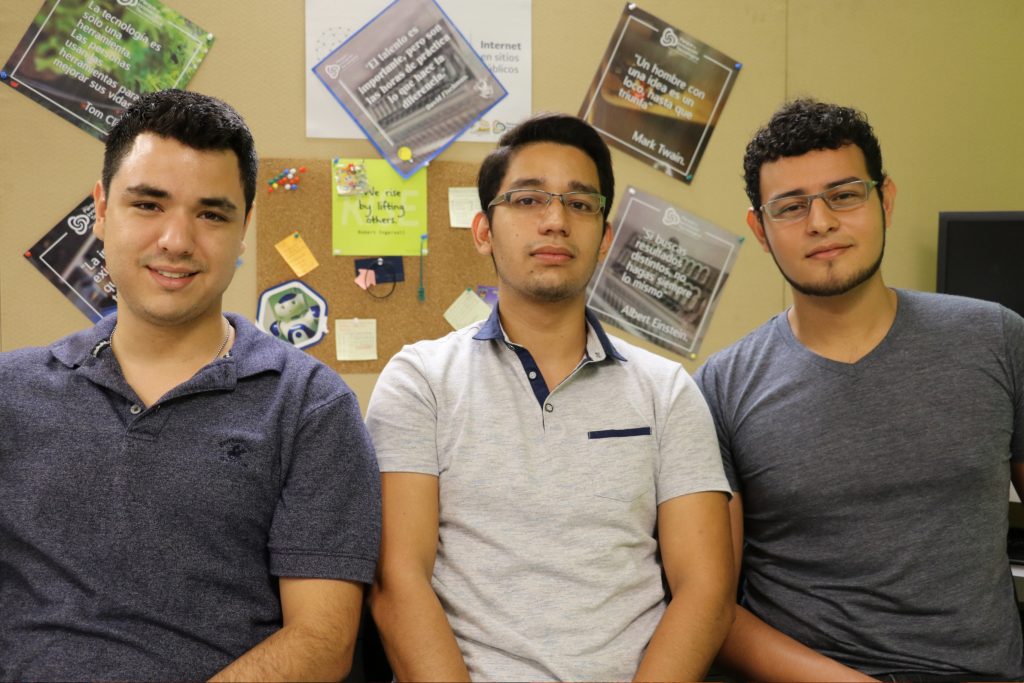
Después de haber obtenido el primer lugar en la fase de escuelas y posteriormente también en la final regional, el innovador equipo integrado por un colaborador del Parque de Innovación Tecnológica (PIT) de la Universidad Autónoma de Sinaloa (UAS) y dos estudiantes de la ingeniería en Procesos Industriales de la Facultad de Ingeniería de la UAS tuvo la oportunidad de representar a la Casa Rosalina en la etapa final del Concurso Logo! de Creatividad en Automatización Siemens. Movidos por el entusiasmo que les ocasionan las ganas de innovar, los jóvenes compañeros universitarios Javier Eduardo Abitia Camacho (colaborador del PIT-UAS), Abel Alberto Cervantes Aragón y Jesús Manuel Rodríguez Valdez obtuvieron el segundo lugar nacional en el concurso que es organizado anualmente por la compañía alemana Siemens y gira en torno a los PLC (programador lógico controlable), en específico a su nuevo modelo PLC Logo! V8. Es preciso señalar que los Programable Logic Controllers (PLC) son pequeñas computadoras que se utilizan en la ingeniaría con el fin de automatizar procesos distintos electromecánicos, como las líneas de producción y montaje en las grandes industrias, o bien son empleados en procesos como la domótica, que consiste en el uso de técnicas encaminadas a crear no sólo viviendas automatizadas, sino también edificios y complejos urbanos e incluye aspectos como la seguridad, el aprovechamiento de la energía, las comunicaciones y en general el bienestar de las personas. En la final nacional se requería que los proyectos se conformaran por un sistema de control eléctrico, neumático o hidráulico cuyo cerebro u órgano de control central fuera el módulo lógico programable Logo! y tendiera al cuidado o ahorro de energía, podía ser enfocado en los usos de domótica. Por su parte, los futuros ingenieros industriales demostraron que la domótica, además de ser aplicable en casas habitación, puede desarrollarse en otro tipo de complejos, como los zoológicos; los jóvenes incluyeron aplicaciones para cuidar detalles como la seguridad en caso de un incendio, el control de acceso a las jaulas de los animales, así como el orden en los estacionamientos. La final nacional fue llevada a cabo el 27 de octubre de 2016 en la Ciudad de México, en el complejo arquitectónico de la empresa Siemens, el cual se erige como el primer edificio en México que obtiene una doble certificación en Liderazgo en Energía y Diseño Ambiental (LEED, por sus siglas en inglés) en la categoría de Interiores de Edificios Comerciales, conjuntamente con la certificación en Núcleo y Envolvente. Recapitulando, el proyecto fue seleccionado en su primera etapa, de entre más de cincuenta proyectos registrados a lo largo del país, de los cuales sólo 38 lograron ser seleccionados para concursar en sus respectivas regiones, para llegar luego a la final. Jóvenes de instituciones como la Universidad de La Salle, el Instituto Tecnológico de Sonora, la Universidad Autónoma de Baja California así como Universidades Tecnológicas de distintas zonas del país, participaron con sus innovadores proyectos encaminados a presentar soluciones domóticas para la vida diaria. Jesús Moroni Arellano (Comunicación y Difusión, PIT-UAS).
A project in which a PIT-UAS’ collaborator participates obtains national second place at Siemens Logo! contest
After having obtained first place in the schools phase and later also in the regional final, the innovative team integrated by a collaborator of the Technological Innovation Park (PIT, Parque de Innovación Tecnológica) of the Autonomous University of Sinaloa (UAS, Universidad Autónoma de Sinaloa) and two engineering students of Industrial Processes (at the Faculty of Engineering belonging to the UAS) had the opportunity to represent the Casa Rosalina (UAS) in the final phase of Siemens Logo! contest. Moved by the enthusiasm that motivates them to innovate, the young students Javier Eduardo Abitia Camacho (PIT-UAS’ collaborator), Abel Alberto Cervantes and Jesús Manuel Rodríguez Valdez obtained the national second place in the contest that is annually organized by the German company Siemens and revolves around programmable logic controllers (PLC), specifically their new model PLC Logo! V8. It should be noted that PLC are small computers used in engineering to automate different electromechanical processes, such as production and assembly lines in big industries, or are used in processes such as home automation (domotics), which consists in the use of techniques designed to create not only automated accommodation, but also buildings and urban complexes and includes aspects like security, energy use, communications and, above all, people well-being. In the national final it was required that the projects were constituted by an electrical, pneumatic or hydraulic control system which brain or central control organ were the programmable logic module Logo! and tended to care and save energy, it could be focused on uses of home automation. Meanwhile, the future industrial engineers demonstrated that domotics, in addition to being applicable for homes, it can be develop in other types of complexes, such as zoos; the students included apps to take care of details like security in case of a fire, access control to animal cages, as well as the order in parking lots. The national final was held on October 27 of 2016 in Mexico City, in the architectonical complex of the Siemens Company, which stands as the first building in Mexico that has a double certification in Leader of Energy and Environmental Design (LEED) in the category of Commercial Building Interiors, in conjunction with the Core and Enclosure certification. To sum up, the project was selected in its first stage, among over fifty projects registered throughout the country, of which only 38 managed to be selected to compete in their respective regions, to later reach the final. Students form institutions such as La Salle University, Technological Institute of Sonora, Autonomous University of Baja California as well as technological universities of different zones of the country, participated with their innovative projects which aimed to present solutions to the daily life on automated homes. Moroni Arellano (Communication and Diffusion, PIT-UAS), translated by Belem Ruiz (Edition and Communication, PIT-UAS).
Wearable technologies, dressing the future of innovation
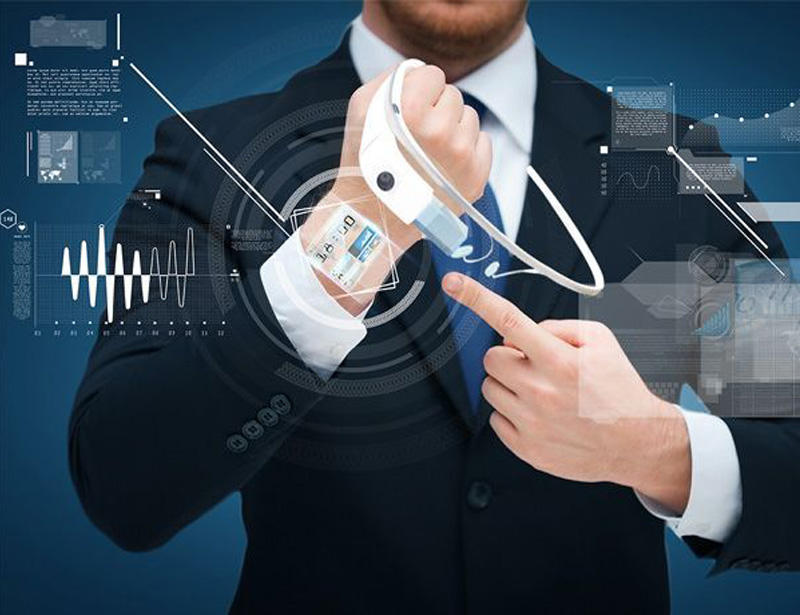
If you have ever seen a James Bond film or any other espionage movie, certainly the technology used in accessories to wear have become familiar to you; such devices might seem ordinary but they are not: watches that serve for radio communications or gloves to control other devices through sensors. It is even very likely that you have wished something like that to exist so you could make easier quotidian tasks in your daily life. Okay, the good news is that this kind of technology has been a reality since some decades ago, and during the last years its development has increased with a remarkable speed, we are talking bout the wearable technology. From objects like watches or patches for health or athletic performance monitoring, to garments with solar panels that let you recharge your cell phone without needing a plug, wearable technology has arrived and is in constant evolution, with the main objective of improving the quality of people’s life. But you might be asking yourself what this technology we are talking about consists of. Making the basis: wearables’ first manifestations Contrary to what we might think, wearable technology has its beginnings in the XVII century, when an abacus ring was created in China during the first years of Qing’s dynasty (1644-1911). This small abacus measured 1.2 cm long and 0.7 cm wide, contained 1 mm beads, which allowed carrying it comfortably in the bearer’s finger. It helped traders to realise quick mathematical operations aided by a pin or needle used to move the tiny beads. An example closer to our age and the concept we have of modern technology may be is the device created by Claude Shannon and Edward Thorp in 1961: a shoe that had a computer of the size of a pack of cigarettes, which, hidden in the footwear, helped to increase good decisions 44% during roulettes games at casinos. This invention is considered as the first wearable computer of history. After such invention, wearable technology has flourished in many branches of science, it appears in devices as diverse as watched, glasses, clothes and a huuuge etcetera, with uses in lots of areas, like health, leisure and fashion. Computing apparels: the future of innovation The essential objective of wearable technology is creating a constant connection between the user and the device, either conscious or unconsciously, by being worn on the body. Even when there are invasive versions of this technology, like the beneath-skin inserted sensors, non-invasive versions that can be worn and taken away at will are the users’ preferred and which boom is at the height of its development. This sort of devices can carry out the same tasks as a more common mobile device, like smart phones; but, at the same time, it is capable of realising tasks and recollecting data that the others cannot. Wearable technology must always function in the bottom, becoming like this a true extension of the user’s mind and body. Nowadays there are many novel manifestations within wearable technologies sphere, one of them is Google’s contact lens, jointly developed with the enterprise Verily and Alcon division of Novartis. This smart contact lens would allow to monitor continuously glucose states in diabetic patients, its sensors measure blood glucose levels through ocular fluid and, with a wireless aerial smaller than a human hair, send the recollected information each second to a mobile device, which stores all the data and sends an alert message to the patient when his levels decrease or increase from what is normal, also notifies when he should go to the doctor. It is expected to begin with the first tests on patients this year. For her part, Dutch fashion designer Pauline Van Dongen is one of the current pioneers in the creation and development of technological garments. Nowadays one of the projects she is working is the design of a windcheater with solar panels that allow to plug in your cell phone and recharge it in one or two hours (depending upon the climatic conditions the user finds himself). In a turn within clothes industry, Athos enterprise has created a sport outfit able to recollect information about the exercise realised, muscles groups used and cardiac frequency of the user, through sensors similar to those utilised for electromyographies (a medical exam that, in a non-invasive manner, measures the electrical activity between muscles and nerves). Muscles activity is gathered and sent immediately to the mobile device via wireless personal area network (with help of Bluetooth), in order to analyse and correct possible errors of posture and breathing occurred during exercise. Some doubts and problems Despite wearable technology sounds wonderful and seems to arrive just like that, without further ado, to facilitate people’s lives, there are some doubts and problems we must take into account. One concern that shines out not only in this one but in diverse implementation areas of computing when it comes to common life issues, is safety. Although there are reluctant people before the fact of finding ourselves connected and collecting personal information, or even the extinction of privacy, given the continuous information monitoring, which they fear that may take us to an Orwellian future, in the finest style of the dystopian novel 1984. Currently, technology itself also presents a problem with users, even though in the past years has raised the amount of people who acquire this kind of products, thanks to the creation of devices like the Fitbit and the Apple Watch, a study carried out by Endeavour Partners shows that a third of users that have a wearable device give up using it during the first three months after the purchase. This tells us that we must find the way to help users to permanently integrate the use of devices into their daily life. The outlook of people’s lives and computers coexisting in symbiotic relationship seems closer and closer and it is very likely that wearables be the ones which make come true that utopic reality, especially because this kind of developments is catalogued within the industries of the future, technologies that are in
Tecnologías ponibles, vistiendo el futuro de innovación
Si alguna vez has visto un filme de James Bond o cualquier otra película del género del espionaje, seguramente se te ha vuelto familiar la tecnología que utilizan en accesorios para vestir que parecieran cotidianos pero no lo son: relojes de muñeca que sirven como radiocomunicadores o guantes que permiten controlar otros dispositivos a través de sensores; incluso, es muy probable que hasta hayas deseado que algo así existiera para facilitar tareas cotidianas en tu vida diaria. Pues bien, la buena noticia es que este tipo de tecnología es una realidad desde hace ya algunas décadas, y en los últimos años se ha incrementado su desarrollo a una velocidad destacable, estamos hablando de la llamada wereable technology, tecnología vestible o ponible. Desde objetos como relojes o parches para el monitoreo de la salud o el desempeño atlético, hasta prendas con paneles solares que te permiten cargar tu celular sin necesidad de un enchufe, la tecnología ponible ha llegado y se encuentra en una constante evolución, con el objetivo principal de mejorar la calidad de vida de las personas. Pero te preguntarás ¿en qué consiste esta tecnología de la que hablamos? Confeccionando las bases: primeras manifestaciones de la tecnología vestible Contrario a lo que pudiéramos pensar, la tecnología ponible tiene sus inicios en el siglo XVII, cuando en China se creó el anillo ábaco durante los primeros años de la dinastía Qing (1644-1911). Este pequeño ábaco medía 1.2cm de largo y 0.7cm de anchura, contenía cuentas de 1mm, lo que permitía llevarlo cómodamente en el dedo del portador. Ayudaba a los comerciantes a realizar operaciones matemáticas rápidas con la ayuda de un pin o una aguja que servía para mover las diminutas cuentecillas. Una manifestación más cercana a nuestra época y al concepto que tenemos de tecnología moderna es tal vez el dispositivo creado por Claude Shannon y Edward Thorp en 1961: un zapato con una computadora del tamaño de una cajetilla de cigarros que, oculta en el calzado, ayudaba a aumentar 44% los aciertos en la predicción de resultados durante un juego de ruleta en los casinos. Este invento es considerado como la primera computadora ponible de la historia. A partir de ese invento, la tecnología ponible ha florecido en diversas ramas de la ciencia, se manifiesta en dispositivos tan variados como relojes, lentes, ropa y un laaargo etcétera, con aplicaciones en diversas áreas, como el campo de la salud, el ocio y la moda. Atavíos computacionales: el porvenir de la innovación El objetivo primordial de la tecnología ponible es crear una conexión entre el usuario y el dispositivo de una manera constante, ya sea consciente o inconscientemente, al vestirse en el cuerpo. Aun cuando existen versiones invasivas de esta tecnología, como los sensores insertados en la piel, las versiones no invasivas que pueden portarse y desprenderse a voluntad del usuario son las preferidas y cuyo auge se encuentra en pleno desarrollo. Un dispositivo de esta índole puede realizar las mismas tareas que uno móvil más común como los teléfonos inteligentes, pero es capaz a la vez de realizar tareas y recolectar datos que los primeros no pueden. La tecnología ponible debe funcionar siempre en el fondo, volviéndose una verdadera extensión de la mente y el cuerpo del usuario. Actualmente existen muchas manifestaciones novedosas en el ámbito de las tecnologías ponibles, una de ellas es el lente de contacto de Google, desarrollado en conjunto con las compañías Verily y la división Alcon de Novartis. Este lente de contacto inteligente permitiría monitorear los estados de glucosa en los pacientes de diabetes de manera continua, sus sensores miden los niveles de glucosa en la sangre a través del fluido ocular y, con una antena inalámbrica más pequeña que un cabello humano, envía la información recabada cada segundo a un dispositivo móvil, mismo que almacena los datos y envía un mensaje de alerta al paciente cuando sus niveles bajan o suben más de lo normal, también notifica cuándo debería acudir a un médico. Se espera que este año se comiencen a realizar las primeras pruebas con pacientes. Por otra parte, la diseñadora de modas neerlandesa Pauline Van Dongen es una las actuales pioneras en la creación y el desarrollo de prendas tecnológicas. Hoy día uno de los proyectos en los que trabaja es el diseño de un rompevientos con paneles solares que permiten conectar y cargar tu celular en una o dos horas (dependiendo de las condiciones climáticas en las que se encuentre el usuario). En un giro distinto dentro de la industria de la ropa, la empresa Athos ha creado un traje deportivo capaz de recolectar información sobre el ejercicio realizado, grupos musculares usados y frecuencia cardiaca del usuario, mediante sensores similares a los utilizados en las electromiografías (un examen médico que, de manera no invasiva, mide la actividad eléctrica entre músculos y nervios). La actividad de los músculos es recabada y enviada inmediatamente al dispositivo móvil vía red inalámbrica de área personal (con ayuda de Bluetooth), para así analizar y corregir posibles errores en postura y respiración realizados durante el ejercicio. Algunas dudas y problemáticas No obstante la tecnología vestible suena maravillosa y parece llegar así, sin más, a facilitar la vida de las personas, existen algunas dudas y problemas que debemos tomar en cuenta. Una preocupación que reluce no solo en ésta sino en diversas áreas de implementación computacional cuando se trata de asuntos de la vida común, es la seguridad. Aún existen personas renuentes ante el hecho de que nos encontremos conectados y recabando información personal, o incluso a la extinción de la privacidad, dado el constante monitoreo de información, mismo que temen que nos lleve a un futuro orwellesco, al más puro estilo de la novela distópica 1984. La tecnología en sí misma también presenta actualmente una problemática con sus usuarios, a pesar de que en los últimos años se ha incrementado la cantidad de personas que adquieren esta clase de productos, gracias a la creación de dispositivos como el Fitbit y el Apple Watch, un estudio llevado a cabo por Endeavour Partners muestra que un tercio de los usuarios
PIT-UAS collaborator will participate in the national phase of Logo! contest from the German enterprise Siemens
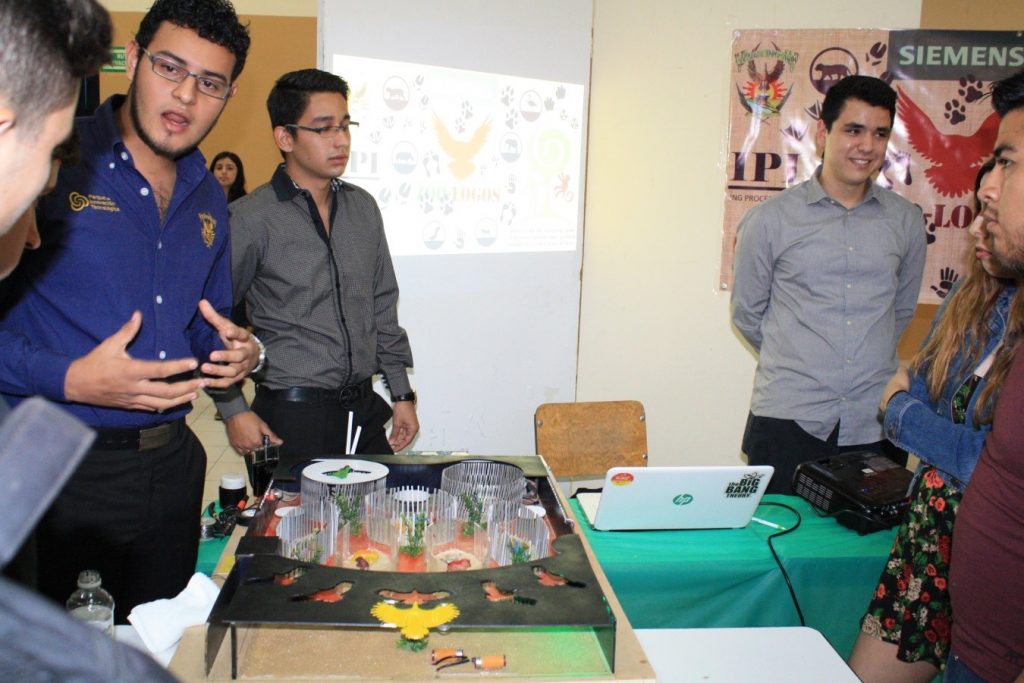
After winning first place in the home automation area in the Siemens’ regional contest Logo! of Creativity in Automation, a group of engineering in Industrial Processes students belonging to the Autonomous University of Sinaloa (Universidad Autónoma de Sinaloa, UAS) will participate in the national phase with the ZOO-Logo! Smart Zoo project, on October 27th within Siemens’ facilities at Mexico City. Javier Eduardo Abitia Camacho, collaborator at UAS’ Technological Innovation Park (Parque de Innovación Tecnológica, PIT), Abel Alberto Cervantes Aragón and Jesús Manuel Rodríguez Valdez are the youths who will expose the aforementioned smart zoo project, which uses a programmable logic controller (PLC) Logo! V8 and implements a control system that breaks with the trend of using such technology almost exclusively in smart houses; this control is divided in two points: maintenance and security. In the maintenance area, university students implemented an irrigation system controlled by a humidity sensor (represented by seven LED lights in the mock-up), a refrigeration system controlled by a temperature sensor (represented by a 12v fan) and a lighting system controlled by a photoresistor (represented by LED strip lights throughout the mock-up’s perimeter). With regard to security, there was a fire-fighting system prototype controlled by a smoke sensor, a system for parking lots controlled by optical sensors, a visitors counting system for entrances and exits (also controlled by two optical sensors) and an anti-intruders system controlled by a motion sensor; all these systems have as goal guaranteeing welfare to both visitors and zoo animals. The main reason for them to choose developing the ZOO-Logo! Smart Zoo project was demonstrating that home automation is not barely smart houses, but also can be applied to different areas. On that basis, they decided to design a zoo in order to attend a problem that has been developing during the last years: accidents that involve visitors and zoo animals due to the inefficient security and maintenance system. These three future engineers, current UAS’ students, expressed that their experience in this regional event showed them that with the acquired knowledge as university students they can compete at a technological level and be ahead of student from other universities that count on accredited careers and even more recognised than those belonging to UAS, which is relatively new in this knowledge field. Their pass to the national final was reached after a draw (at the Pacific zone) with students from the Technological University of Hermosillo, who participated with a smart house project. The representatives of these two universities will compete against students belonging to San Luis Potosí, Nayarit, Chihuahua, Querétaro and León. Once concluded the 20 minutes presentation that each participant team will have, when the mock-ups functioning will be displayed, explaining the rationale of their project and the real application, there will be a deliberation to choose the first place winner, which will receive PLC programming courses, a travel to a technology fair in Germany, a PLC laboratory for the university, among other awards. Writen by Alfredo Careaga (Communication and Diffusion, PIT-UAS), Translated by Belem Ruiz (Edition and Communication, PIT-UAS).
Estudiante de la UAS participará en la fase nacional del concurso Logo! de la empresa alemana Siemens
Luego de haber conseguido el primer lugar en el área domótica del concurso regional Logo! de Creatividad en Automatización Siemens, un grupo de estudiantes de la ingeniería en Procesos Industriales de la Universidad Autónoma de Sinaloa (UAS) participará con el proyecto ZOO-Logo! Zoológico Inteligente en la etapa nacional, evento que se desarrolla este 27 de octubre en las instalaciones de Siemens de la Ciudad de México. Javier Eduardo Abitia Camacho, colaborador del Parque de Innovación Tecnológica de la UAS, Abel Alberto Cervantes Aragón y Jesús Manuel Rodríguez Valdez son los jóvenes que expondrán el antes mencionado proyecto de zoológico inteligente, que utiliza un PLC Logo! V8 e implementa un sistema de control que rompe con la tendencia de emplear dicha tecnología casi exclusivamente en casas inteligentes; dicho control se divide en dos puntos: mantenimiento y seguridad. En el área de mantenimiento, los universitarios implementaron un sistema de riego controlado por un sensor de humedad (representado por siete leds en la maqueta), un sistema de refrigeración controlado por un sensor de temperatura (representado por un ventilador de 12v) y un sistema de iluminación controlado por una foto-resistencia (representado por una tira de leds a lo largo de todo el perímetro de la maqueta). En cuanto a la seguridad, se proyectó un sistema contraincendios controlado por un sensor de humo, un sistema para estacionamientos controlado por dos sensores ópticos, un sistema de conteo de entradas y salidas de visitantes (también controlado por dos sensores ópticos) y un sistema anti-intrusos, controlado por un sensor de movimiento; todos estos sistemas tienen como finalidad garantizar el bienestar tanto de los visitantes como de los animales. La principal razón por la que se decidieron a desarrollar el proyecto ZOO-Logo! Zoológico Inteligente fue para demostrar que la domótica no sólo son casas inteligentes, sino que también puede aplicarse esta tecnología en diferentes áreas. Partiendo de esa premisa, decidieron diseñar un zoológico para atender una problemática que se ha venido presentando en los últimos años: los accidentes que envuelven a visitantes y animales debido el ineficiente sistema de seguridad y mantenimiento. Los tres futuros ingenieros, actuales estudiantes de la UAS, externaron que su experiencia en este evento regional les demostró que con los conocimientos que han adquirido como alumnos universitarios pueden competir a nivel tecnológico y superar a estudiantes de otras universidades que cuentan con carreras acreditadas e incluso más reconocidas que las de la casa rosalina, que es relativamente nueva en este campo del conocimiento. Su pase a la final nacional, lo lograron tras un empate (en la zona Pacífico) con estudiantes de la Universidad Tecnológica de Hermosillo, quienes participaron con un proyecto de una casa inteligente. Los representantes de estas dos universidades se enfrentarán a estudiantes de San Luis Potosí, Nayarit, Chihuahua, Querétaro y León. Una vez concluida la presentación de 20 minutos que tendrá cada uno de los equipos participantes, en la que se mostrará el funcionamiento de las maquetas, fundamentando el porqué de su proyecto y la aplicación real, habrá una deliberación para seleccionar al ganador del primer lugar, que se hará acreedor a cursos de programación de PLC, un viaje a una feria de la tecnología en Alemania, un laboratorio de PLC para la universidad, entre otros premios. Alfredo Careaga (Comunicación y Difusión, PIT-UAS).
Eolian energy resurgence: the art of turning air into electricity
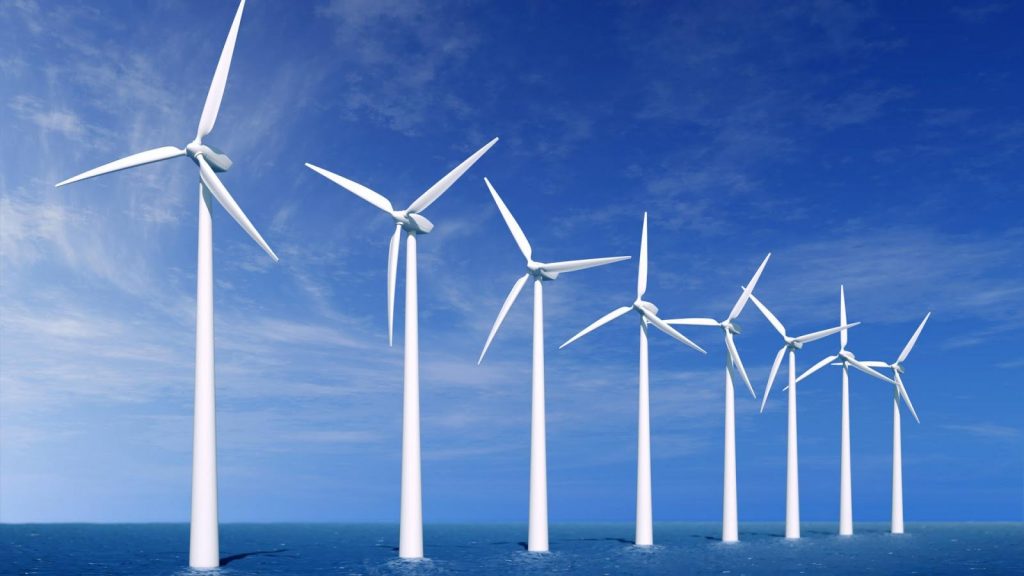
Since remote epochs, the human being has taken advantage of natural resources to stock up on and to satisfy his necessities. With the increases in global population and the gradual improvements in people’s standard of living, the issue of electric energy production and the main resources this is obtained from have been motive of debate, discussion and uncertainty. Currently the global market of energy production is mainly based on the leverage of fossil fuels like petroleum, coil and natural gas. Nevertheless, these resources, besides not being renewable and being steadily diminishing as the world population’s demand of energy increases, also are responsible of much of the carbon dioxide production and the environmental impact this has brought as result. Then, we face a dilemma: how can we produce energy without damaging our planet, and besides produce it in an ecological way? The answer is renewable energies or clean energies or green energies. And one of the renewable resources that has raised more interest by its development and research is the wind exploitation; eolian energy is one of the pillars of the energy future, and here we will talk to you a little more about it. Hoist your sails! A travel through the history of the energy of winds The first known register of the wind energy usage dates back to the year 3000 b. c. e., when the ancient Egyptian civilization used the force of the wind to travel across the Nile river waters with their sailing ships. The first eolian machines dates back to VI century c. e., at the Sistan region, between Iran and Afghanistan; it is the first windmills, known as «the Persian windmills», which had a vertical axis and were used to mill grains and pump water. Further later were introduced to Occident by crusaders and the first countries to receive them were Italy, Spain and Greece; these nations developed a different model (with an horizontal axis) that, contrary to its ancestor, offered a bigger power, since it worked continuously the current’s pressure on the blades, which used to be cross-shaped with four or eight arms. Some of these mills still exist in certain zones of the Mediterranean, like the Mykonos island, where they are used as museums or residences. Some centuries later, Hollanders improved the mills’ design and begun to use them extensively to drain Rhine river’s swampy regions. The Danish scientist Poul la Cour designed the first electrical aerogenerator for windmills, and in the XIX century was invented a turbine for windmills capable of using 60% of the wind power to produce up to 65 kilowatts. But afterwards, with the Industrial Revolution, came the boom of fossil resources usage and electricity generation through the wind force was relegated in the industry for many years. It was not until the 1970 decade when, due to the petroleum crisis and the growing concern for the environmental impact caused by fossil fuels, the eolian energy market was restarted. Thereafter, researches in this field have increased, allowing thus eolian technology to continuously develop and to keep doing it nowadays. Turning air into kilowatts: the power of the eolian energy in numbers A turbine has a little more than eight thousand parts and basically functions with air: the wind is air in movement and, therefore, possess kinetic energy; the power of this energy is received by modern wind systems’ aerogenerators, which transform eolian energy into electricity through an electrical generator that is connected to an eolian turbine. These days, the most commercial standard aerogenerators start to generate electricity with winds that reach 3.5 meters per second, which corresponding nominal powers (maximum) go from 10 to 3000 kilowatts. Worldwide, in 2015: was avoided the emission of over 637 million tons of carbon dioxide and 314,000 were spinning and producing electricity. Annually, in comparison with fossil sources, near to two thousand liters of water can be saved by each megawatt produced per hour. This green energy generates between 17 and 39 times the power it consumes, numbers that contrast with the 16 times of nuclear plants and the 11 times of coal plants. For 2015, eolian energy already covered 3.7% of the global electrical energy demand, little by little it is being outlined to become a competitive energy, which pretends to reach the level of fossil energies like coal and gas. In European countries like Spain and Denmark, 30% of electricity consumption is covered by their wind farms. «One cannot prevent the wind from blowing, but mills can be built» Nowadays American countries like Brazil, United States, Mexico, Chile and Argentina have opted for adventuring in the implementation of wind farms. In Mexico, the Secretariat of Energy fixed the goal of reaching 35% of clean energy by 2024 and the Mexican Association of Eolian Energy points out: «In order to reach this goal, eolian technology plays a fundamental role, since in most of the countries with similar goals eolian energy has been responsible for about two thirds of the total objective». In 2009 the World Wind Energy Association gave to Mexico an acknowledgment by having the biggest growth in electricity generation capacity through wind (in terms of percentage). On the other hand, there is a huge amount of myths that discredit the usage of this renewable energy source, like the noise pollution caused by aerogenerators or the wind farms’ latent damage for birds. These rumours have been constantly discredited by different ecological and scientific organizations, which support and emphasise the importance of its development for the future of energy production. In fact, as said by the Dutch, inhabitants of the land of tulips and windmills: «One cannot prevent the wind from blowing, but mills can be built». From far wind farms to squares and homes Aerogenerators have evolved apace in the past years, new designs have been created for turbines and mills, which leverage better wind strength and at the same time diminish its production costs. Besides, eolian energy microgeneration models have allowed this technology to reach homes more and more
Resurgimiento de la energía eólica: el arte de convertir aire en electricidad
Desde épocas remotas, el ser humano ha aprovechado los recursos naturales para abastecerse y satisfacer sus necesidades. Con los aumentos en la población global y las paulatinas mejoras en los niveles de vida de las personas, el tema de la producción de energía eléctrica y los principales recursos de las que ésta se obtiene han sido motivo de debate, discusión e incertidumbre. Actualmente el mercado de producción energética mundial se basa principalmente en el aprovechamiento de combustibles fósiles como el petróleo, el carbón y el gas natural. Sin embargo, estos recursos, además de ser no renovables e ir disminuyendo conforme la demanda de energía de la población del orbe aumenta, también son responsables de gran parte de la producción de bióxido de carbono y el impacto ambiental que esto ha traído como resultado. Entonces, nos encontramos frente a un dilema: ¿cómo producir energía sin dañar el planeta, y además hacerlo de forma ecológica? La respuesta son las energías renovables o energías limpias o energías verdes. Y uno de los recursos renovables que más interés por su desarrollo e investigación ha provocado es el aprovechamiento del viento; la energía eólica es uno de los pilares del futuro energético, y aquí te hablaremos un poco más de ella. ¡Icen las velas! Un viaje por la historia de la energía de los vientos El primer registro conocido del aprovechamiento de la energía eólica se remonta hasta el año 3000 a. e. c., cuando la antigua civilización egipcia utilizaba la fuerza del viento para desplazarse por las aguas del río Nilo con sus naves de vela. Las primeras máquinas eólicas datan del siglo VI e. c., en la región de Sistán, entre Irán y Afganistán; se trata de los primeros molinos, conocidos como «los molinos persas», que eran de eje vertical y se utilizaban para moler granos y bombear agua. Más adelante fueron introducidos en Occidente por los cruzados y los primeros países que los recibieron fueron Italia, España y Grecia; estas naciones desarrollaron un modelo distinto (de eje horizontal) que, al contrario de su antecesor, ofrecía una mayor potencia, pues actuaba de forma continua la presión de la corriente sobre las aspas, las cuales solían tener una forma de cruz con cuatro u ocho brazos. Algunos de estos molinos aún existen en ciertas zonas del Mediterráneo, como en la isla de Mikonos, donde se utilizan como museos o como residencias. Unos siglos después, los holandeses mejoraron el diseño de los molinos y comenzaron a utilizarlos extensivamente para drenar las regiones pantanosas del río Rin. El científico Danes Poul la Cour diseñó el primer aerogenerador eléctrico para los molinos de viento, y en el siglo XIX se inventó una turbina para molinos de viento capaz de utilizar 60% del poder del viento y producir hasta 65 kilowatts. Pero luego, con la Revolución Industrial, vino el auge del aprovechamiento de los recursos fósiles y la generación de electricidad por la fuerza del viento quedó relegada en la industria por numerosos años. No fue sino hasta la década de 1970 cuando, debido a la crisis del petróleo y la creciente preocupación por el impacto medioambiental causado por los combustibles fósiles, el mercado de la energía eólica fue retomado. A partir de ese momento, la investigación en este campo ha incrementado, permitiendo así que la tecnología eólica se desarrolle continuamente y lo siga haciendo en nuestros días. Convertir el aire en kilowatts: el poder de la energía eólica en cifras Una turbina tiene más de ocho mil partes y básicamente funciona con aire: el viento es aire en movimiento y, por ende, posee energía cinética; la potencia de esta energía es captada por los aerogeneradores de los sistemas eólicos modernos, que transforman la energía del viento en electricidad a través de un generador eléctrico que es conectado a la turbina eólica. Hoy día, los aerogeneradores estándar más comerciales comienzan a generar electricidad con vientos que alcanzan los 3.5 metros por segundo y, por seguridad, trabajan con vientos no mayores a 25 metros por segundo, cuyas correspondientes potencias nominales (máximas) van de los 10 a los 3000 kilowatts. A nivel mundial, en 2015: se evitó la emisión de más de 637 millones de toneladas de bióxido de carbono y había 314 000 turbinas girando y produciendo electricidad. Anualmente, en comparación con fuentes fósiles, se pueden salvar cerca de dos mil litros de agua por cada mega watt producido por hora. Esta energía verde genera entre 17 y 39 veces el poder que consume, cifras que contrastan con las 16 veces de las plantas nucleares y las 11 veces de las plantas de carbón. Para el año 2015, la energía eólica ya cubría 3.7% de la demanda de energía eléctrica global, poco a poco va perfilándose para convertirse en una energía competitiva, la cual pretende alcanzar el nivel de energías fósiles como el carbón y el gas. En países europeos como España y Dinamarca, 30% del consumo eléctrico es generado por sus parques eólicos. «No puede impedirse el viento, pero pueden construirse molinos» Actualmente países americanos como Brasil, Estados Unidos, México, Chile y Argentina han optado por aventurarse en la implementación de parques eólicos. En México, la Secretaría de Energía fijó la meta de alcanzar 35% de energía limpia para 2024 y la Asociación Mexicana de Energía Eólica señala: «Para alcanzar esta meta la tecnología eólica juega un rol fundamental, ya que en la mayor parte de los países con metas similares la energía eólica ha sido responsable de alrededor de dos tercios del objetivo total». En 2009 la Asociación Mundial de Energía Eólica dio a México un reconocimiento por haber contado con el mayor crecimiento de capacidad de generación de electricidad con viento (en términos porcentuales). Por otro lado, existe gran cantidad de mitos que desprestigian el uso de esta fuente de energía renovable, como la contaminación auditiva provocada por los aerogeneradores o el peligro latente de los parques eólicos para las aves. Estos rumores han sido constantemente desacreditados por distintas organizaciones ecológicas y científicas, que apoyan
The internet of things, interconnectivity for the world of tomorrow
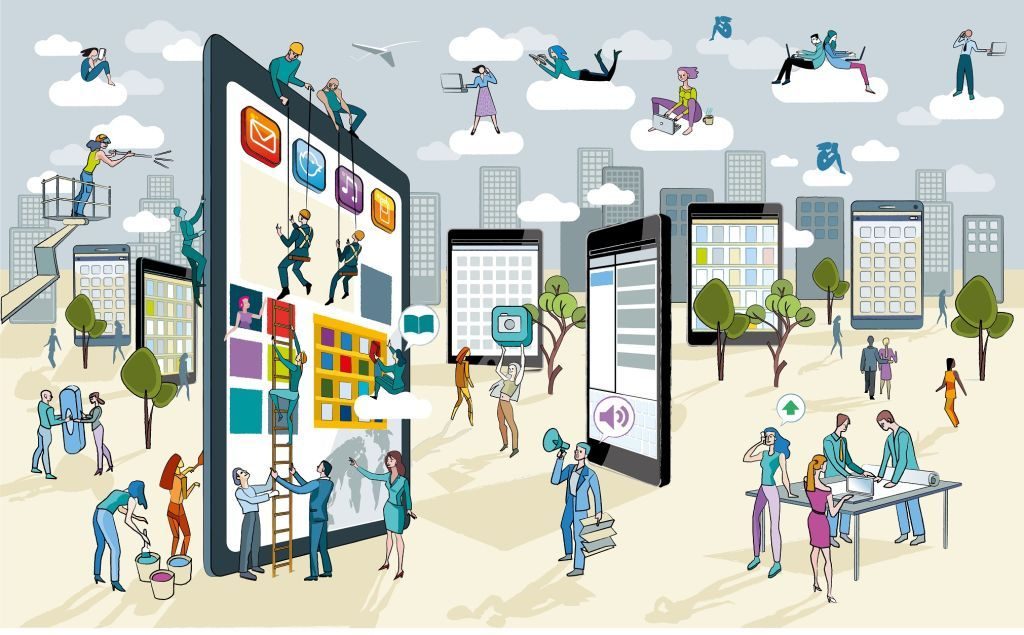
In an interview realised in 1926, the famous Serbian inventor, engineer and physicist Nikola Tesla commented: « When wireless is perfectly applied the whole earth will be converted into a huge brain, which in fact it is, all things being particles of a real and rhythmic whole. […] and the instruments through which we shall be able to do his will be amazingly simple compared with our present telephone. A man will be able to carry one in his vest pocket». Even when most of people just associate his predictions with smartphones creation, in fact in his interview Tesla also foresaw objects’ interconnectivity through wireless networks. Today this technology exists, at its beginnings it was known as «internet of objects», although now is commonly denominated «internet of things» (IoT). But, what is the IoT? IoT is defined by Cisco’s Internet Business Solutions Group (IBSG) as: «simply the point in time when more «things or objects» were connected to the Internet than people». This has become a fact thanks to the increase in the usage of smartphones and tablets. Between years 2008 and 2009 was estimated that a total of 12.5 billion devices were connected within a population of 6.8 billion users. This means that, for the first time in history, the number of connected devices by person was greater than 1 (1.84, to be precise). IoT us the first real evolution of the internet since its introduction with ARPANET in 1969, it turns into «sensorial» internet, this is, with the ability to determine temperature, pressure, vibration, light, humidity, stress, among other things. At the same time, the internet expands to places and functions that once were unimaginable, that would seem taken out from a science fiction book or movie. From thermometers to the continuous monitoring of human body In white goods and electrical appliances market there has already been given the creation of numerous products designed to improve comfort and quality life of their users. Would you like a thermostat control that learns your temperature preferences and functions by itself? Nest has created one that, in addition to being easy to use, realizes a saving from up to 20% in home energy consumption and can be remotely controlled from an Android device. Other enterprises, like Samsung’s Smart Things, follow the same trend: they offer sensors to home that help to programme the functioning of electrical appliances, to monitor your home’s safety with cameras and automated bolts, even entertainment elements for your daily routine like programming radio to turn on each morning when you wake up. Can you imagine that a patient could ingest a device connected to internet that would enter into his body to help physicians to diagnose the causes of certain diseases? Even though this is not jet successfully developed, nowadays it is possible to count on extracorporeal sensors like Preventice Services’ Body Guardian Heart, that consists of a discreet device sticking-plaster or patch shaped that registers electrocardiogram, pulse, breathing, activity and corporal position; it might be used to give follow-up to patients with cardiorespiratory problems: patient’s information is wirelessly sent to a monitoring centre of the enterprise and physicians can access to their patients’ the information at any moment (besides, recollected data is also saved in the patient’s smartphone). Interconnectivity as goal IoT can place really small sensors in plants, animals and geological phenomena, it connects them to help controlling and monitoring in stockbreeding and agriculture, it can be used in industry and commerce to improve processes logistics, it can be used for the implementation of city security networks in order to improve street surveillance, also, as we mentioned before, it has many functions applicable at home and within the health sector. Nevertheless, the goal is to reach not simply a great amount of independent devices, each connected to its own network, the objective of the IoT is to achieve an interconnectivity among systems, creating like this a unique subsystem that allows devices to interact among them independently of their brand of main function. That is to say, the idea is that a device can monitor your health so, for example, it can adjust your diet through a control in your refrigerator that realise the shopping list of supplies, based on what you have ran out of and your nutritional necessities. Likewise, at a macroestructural level, the IoT seeks to create smart cities, in which interconnectivity is not just given among your home devices, but all devices of all users are sharing information and analysing massive data all the time, with the purpose of contributing to the optimization of inhabitant’s quality life. Privacy at risk? What will the IoT bring us? Putting aside the fact that technology and advances in service networks have been improving and evolving over the years, there is still a theme of concern for users: everything related to their personal information and the exposure it implies keeping such data on the cloud. IoT defenders have stated that the private information will not be shared by enterprises monitoring it, but there still the latent danger that one day, some consortium or Government with enough authority might obtain these users’ data. On the other hand, it should be noted that the parameters to define cybercrimes are yet too vague, which is why scepticism about having your whole life inside a universal system that is accessible from any device is something to consider. Indubitably, once outpaced the obstacles in the matter of security, network overload and the way devices can have auto-sustainable energy sources, IoT will have more in its favour than against it. The new internet revolution has come to improve our lifestyle and the way we perceive the world. Who knows? Perhaps in some years it will be possible to outpace current problems related to the creation of connectivity and safety protocols which be more suitable to guarantee both the ideal incorporation and the best performance of IoT in our lives. And we should not forget that, likewise, digital alphabetization and global access